


At Insights, we share knowledge to help you move better, recover faster, and stay strong for the long run. From practical tips on preventing injuries to expert guidance on pain relief and rehabilitation, our goal is to support every step of your journey. Explore how physiotherapy empowers lasting movement, resilience, and wellness.
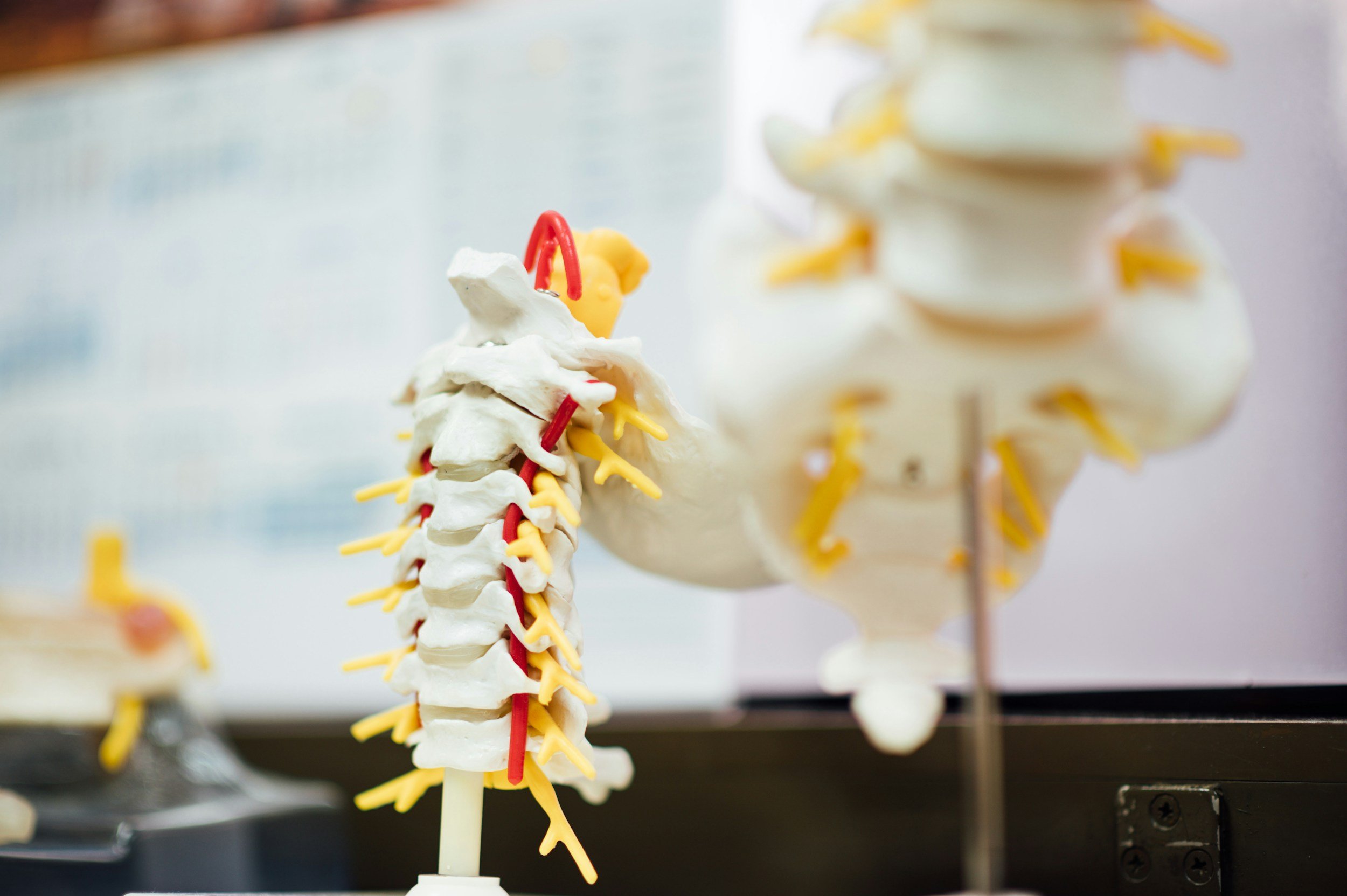
Spinal Decompression & Manual Therapy: Non-Surgical Options for Chronic Back Pain
Passive spinal decompression or traction aren’t recommended as standalone cures for chronic back pain. Manual therapies can reduce pain and improve mobility to enable exercise, but lasting recovery depends on active, progressive rehabilitation to rebuild strength and function. This movement-first approach matches WHO guidance emphasizing education, exercise, and targeted physical therapies for long-term back pain management.
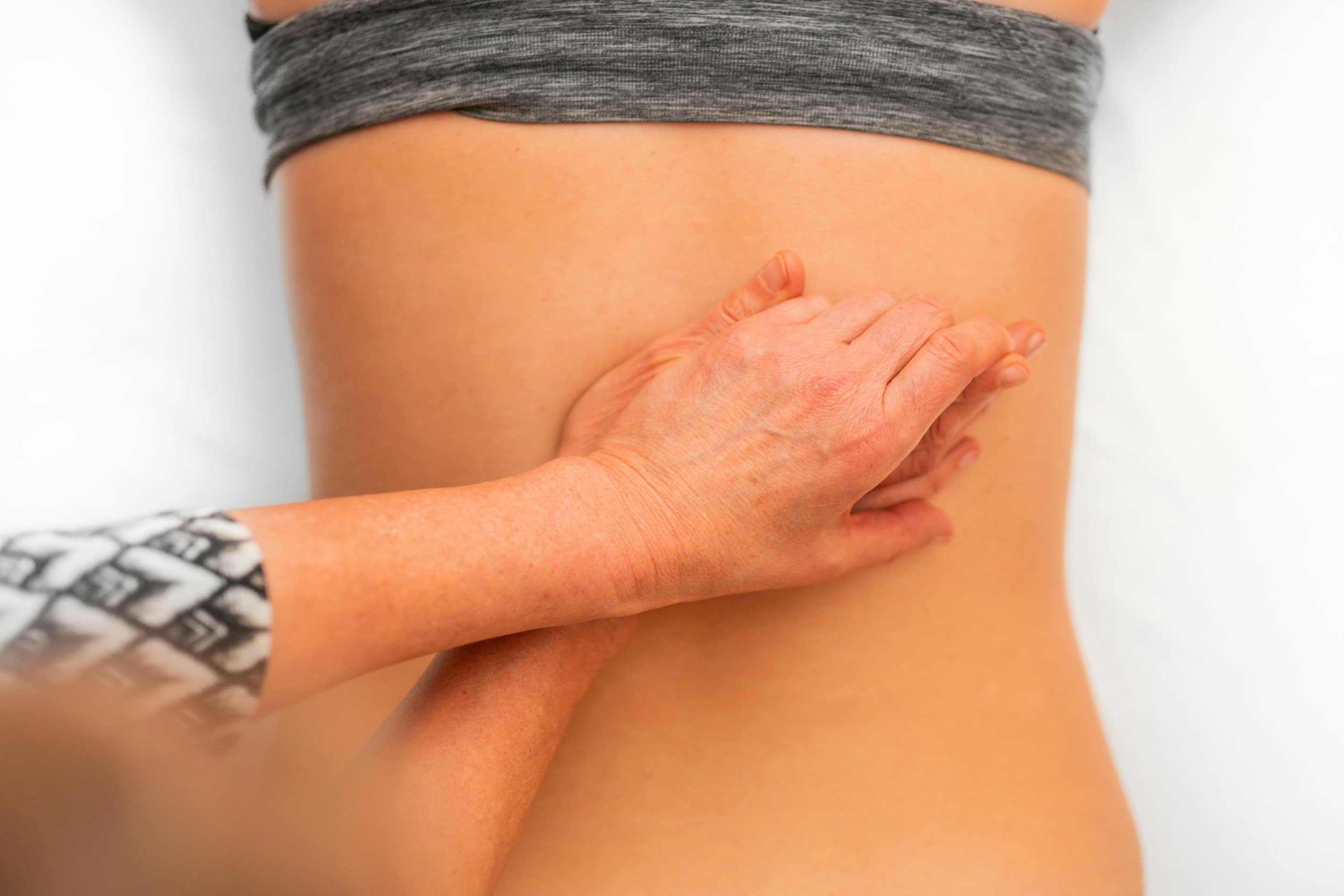
Herniated Disc vs Muscle Strain: How to Tell What’s Causing Your Back Pain
Not all back pain originates from the same structure. A simple muscle strain and a disc-related problem can present with very different sensations and patterns of pain — and they often require different assessment methods and tailored rehabilitation approaches.
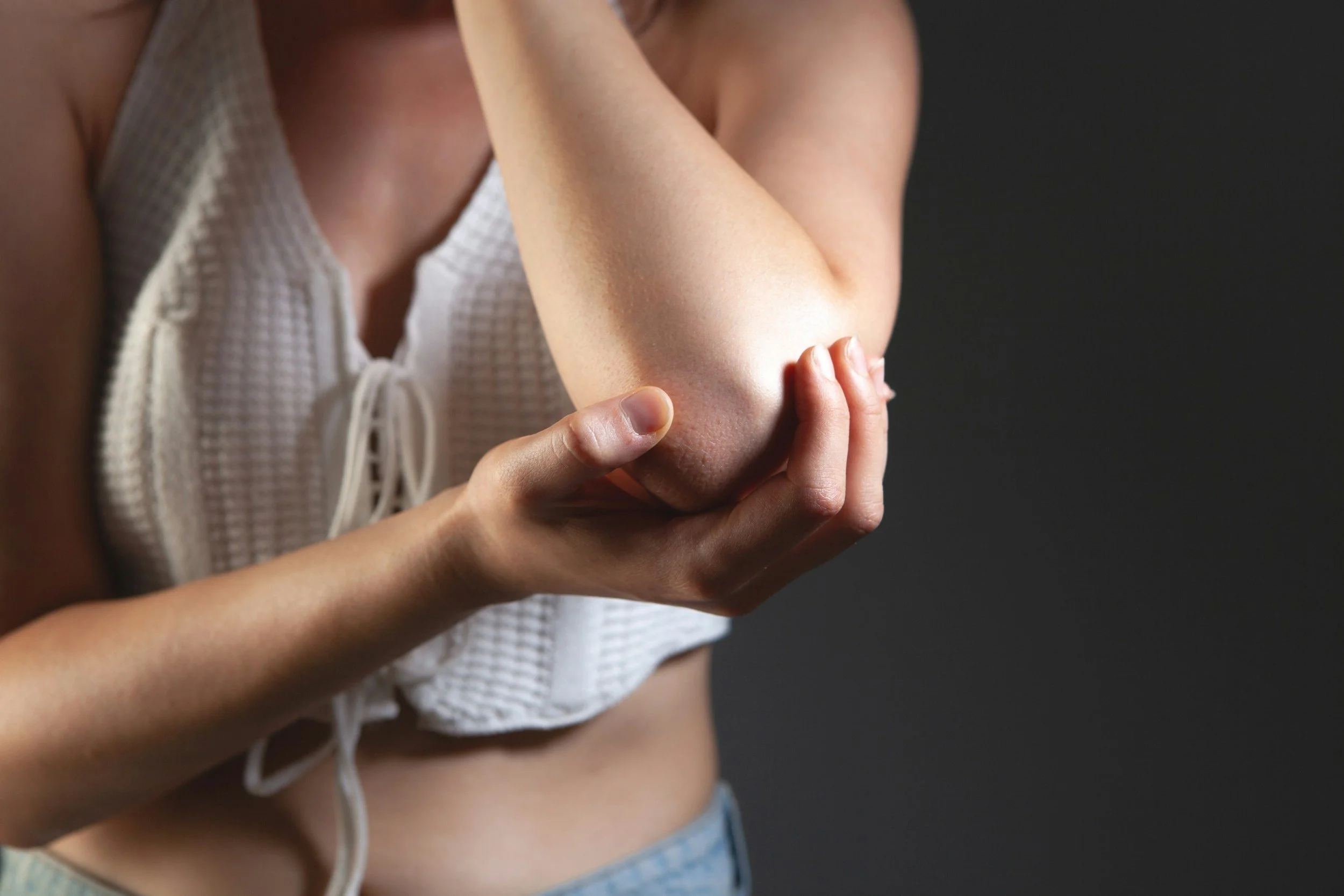
The Ultimate Guide to Treating Tennis Elbow (Lateral Epicondylitis) Without Injections
Tennis elbow can be painful, frustrating, and surprisingly persistent. But the good news? You don't necessarily need injections or surgery to get better. Despite its name, tennis elbow isn't just a tennis player's problem. It can affect anyone who repeatedly uses their wrist and forearm from gym-goers and office workers to tradespeople and racquet-sport players.
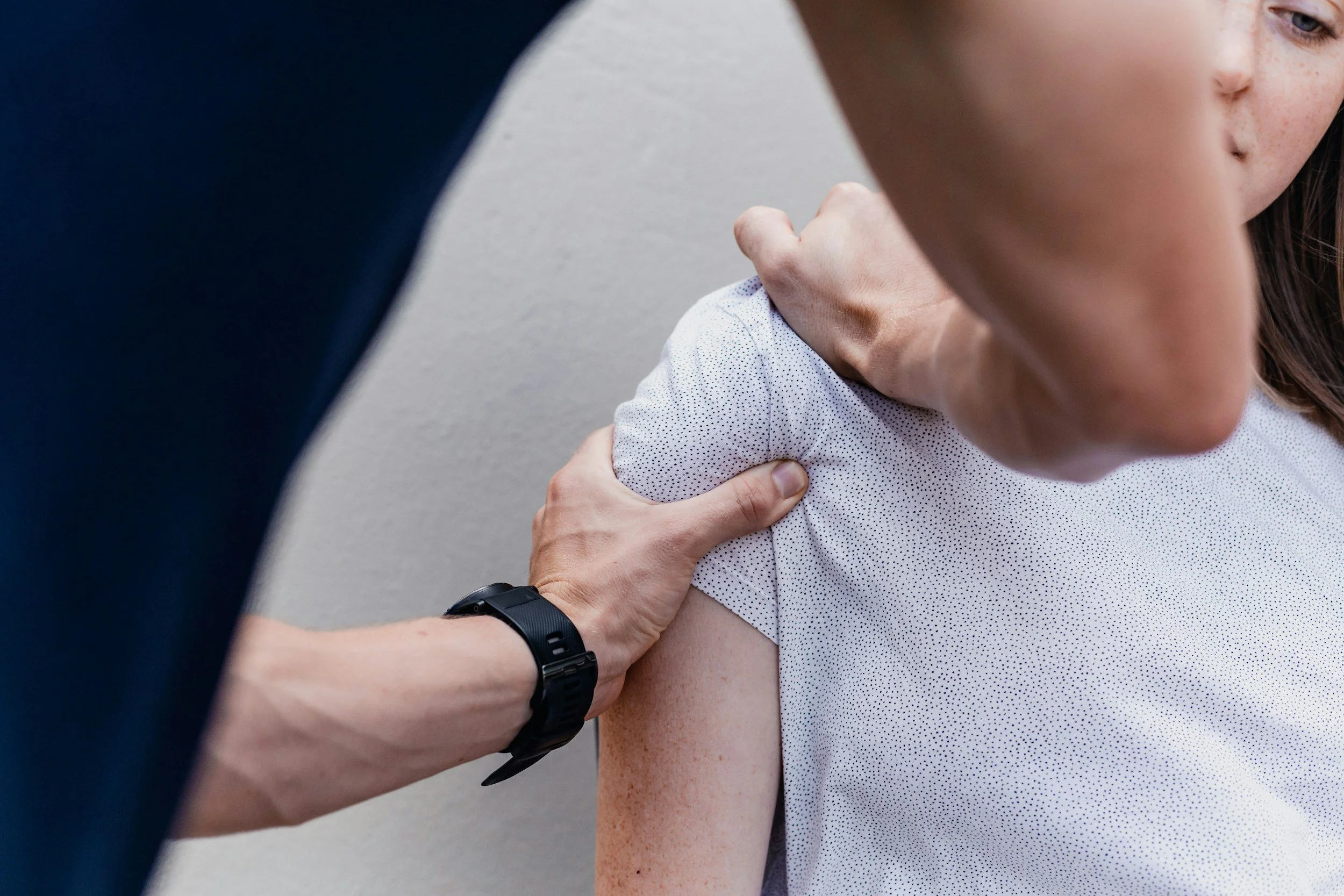
Can You Heal Frozen Shoulder Without Surgery? A Physiotherapist’s Guide
Frozen shoulder can be frustrating. Reaching overhead, putting on a shirt or even sleeping on the affected side can become difficult. The good news is that surgery is not the first treatment for most people.

7 Physio-Approved Exercises for Lower Back Pain Relief at Home
Lower back pain is common, and staying active is usually better than prolonged bed rest. The right exercises can help you move more comfortably and gradually build your strength. Here are 7 simple exercises you can try at home.
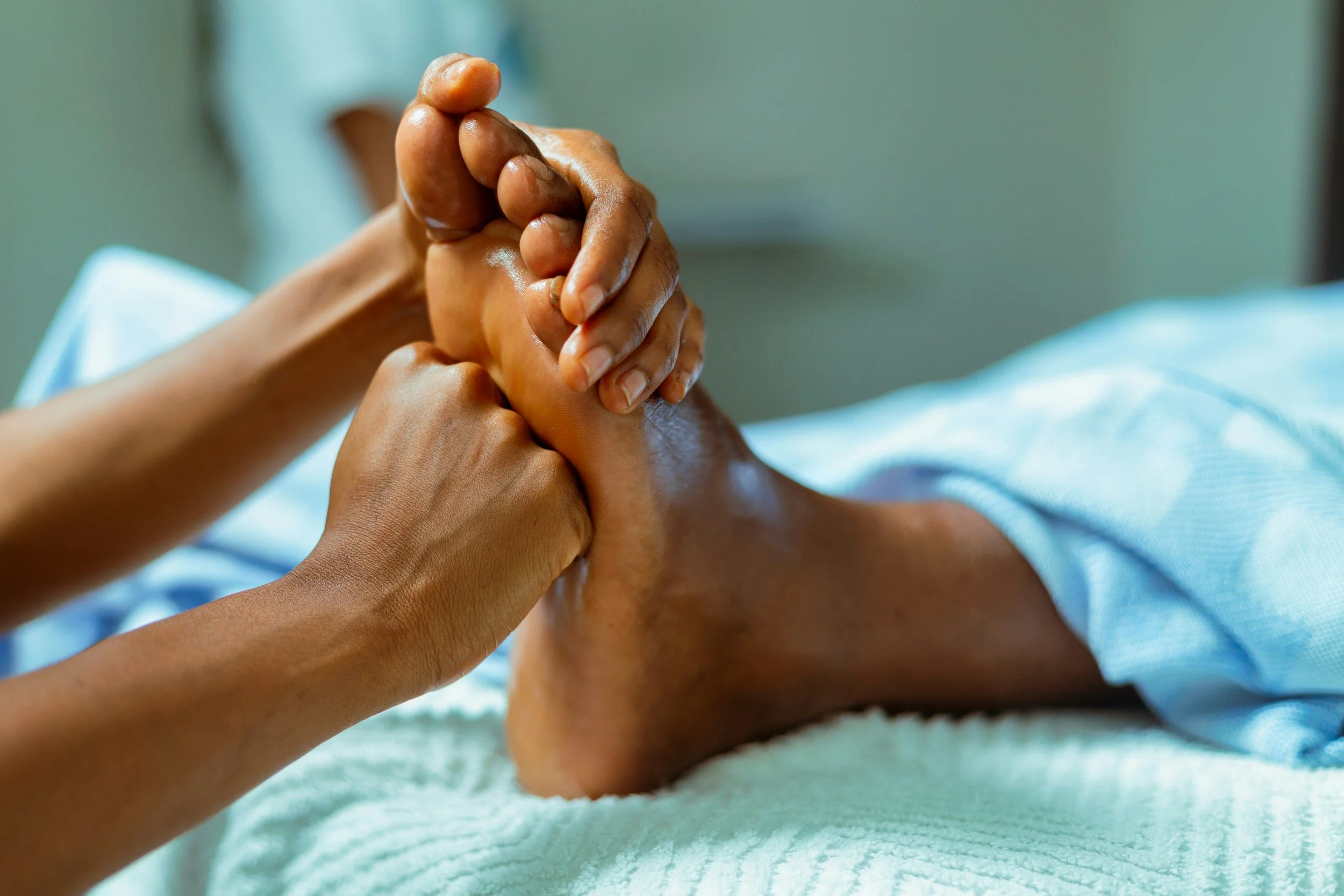
Sports Massage vs. Deep Tissue Massage: Which One Does Your Recovery Need?
Find out about the difference between sports massage and deep tissue massage, breaking down their distinct techniques, ideal pressure levels, primary goals, and typical session focuses. It also highlights the evidence-based benefits of sports massage- such as reducing delayed-onset muscle soreness and improving short-term flexibility—while debunking the common myth that massage is an effective way to "flush out" lactic acid.
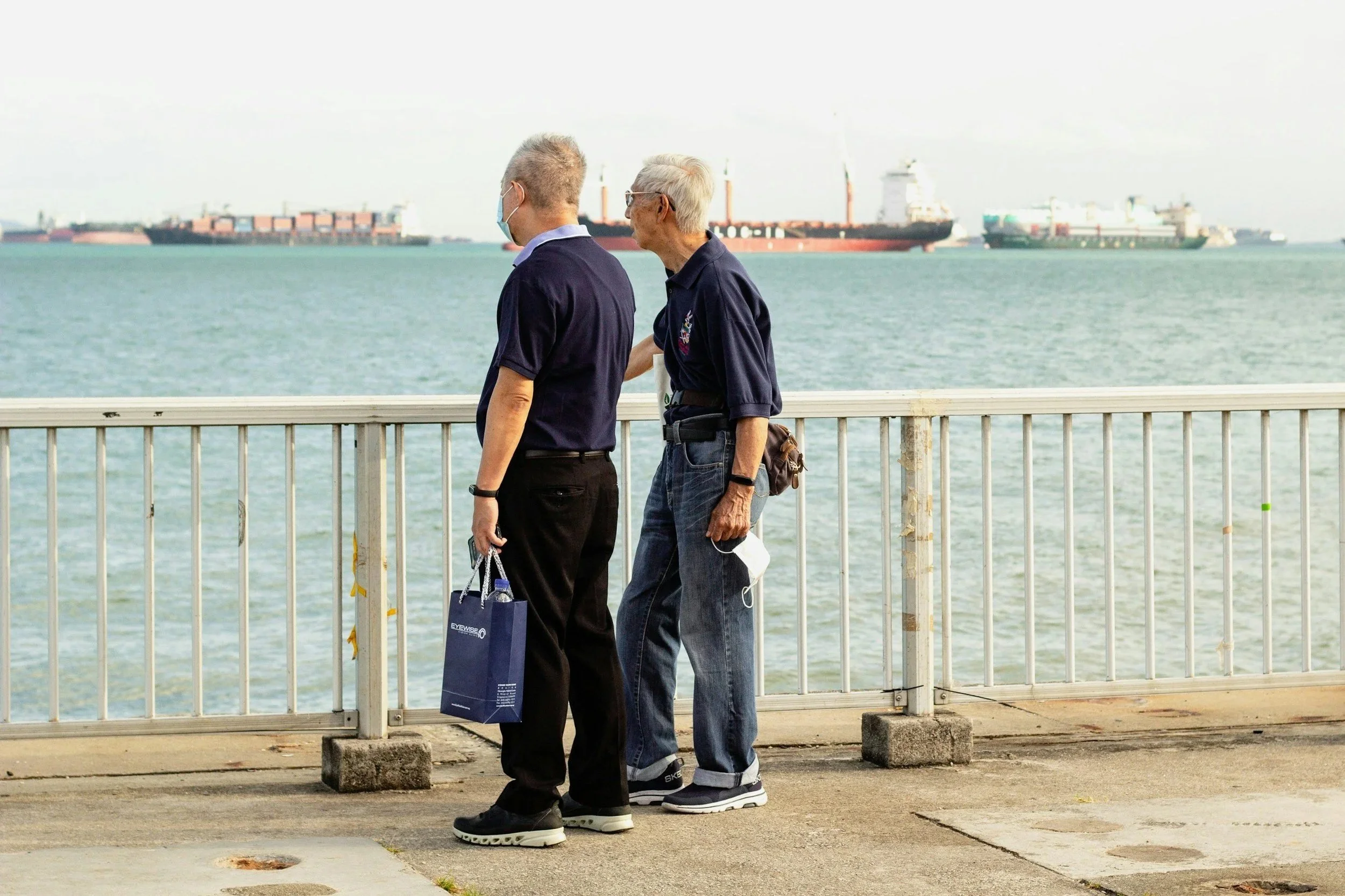
How Physiotherapy Helps Prevent Falls in Older Adults: A Singapore Guide
Falls are a leading cause of injury among older adults and can have a significant impact on independence, confidence, and overall quality of life. Fortunately, many falls can be prevented through early intervention and appropriate exercise programmes.
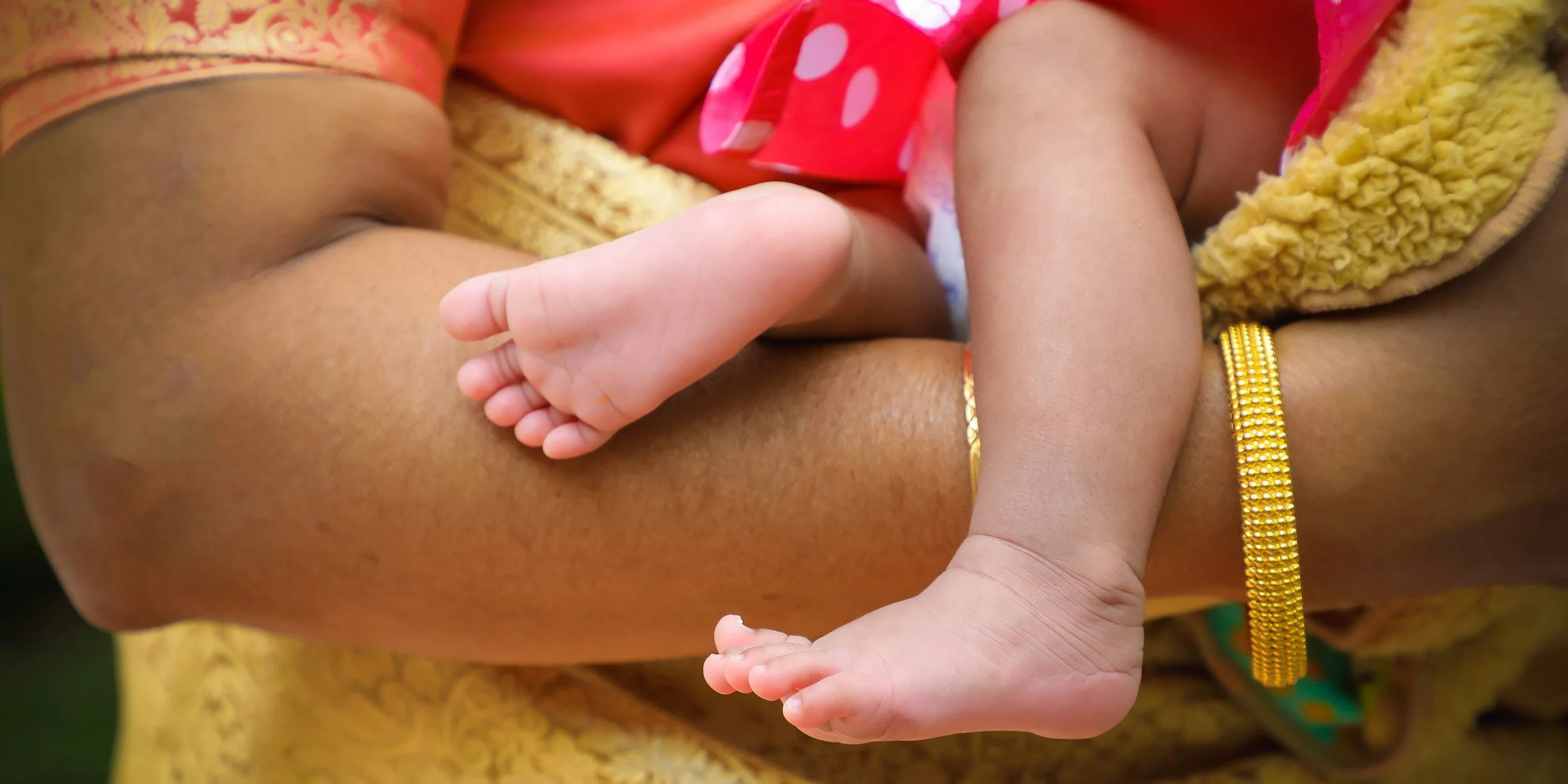
Mummy's Wrist (De Quervain's): Causes, Symptoms and Treatment Options in Singapore
Mummy's Wrist, medically known as De Quervain's tenosynovitis, is a common condition affecting new mothers. It occurs when the tendons on the thumb side of the wrist become irritated, often due to the repetitive lifting, carrying, and feeding activities associated with caring for a newborn.
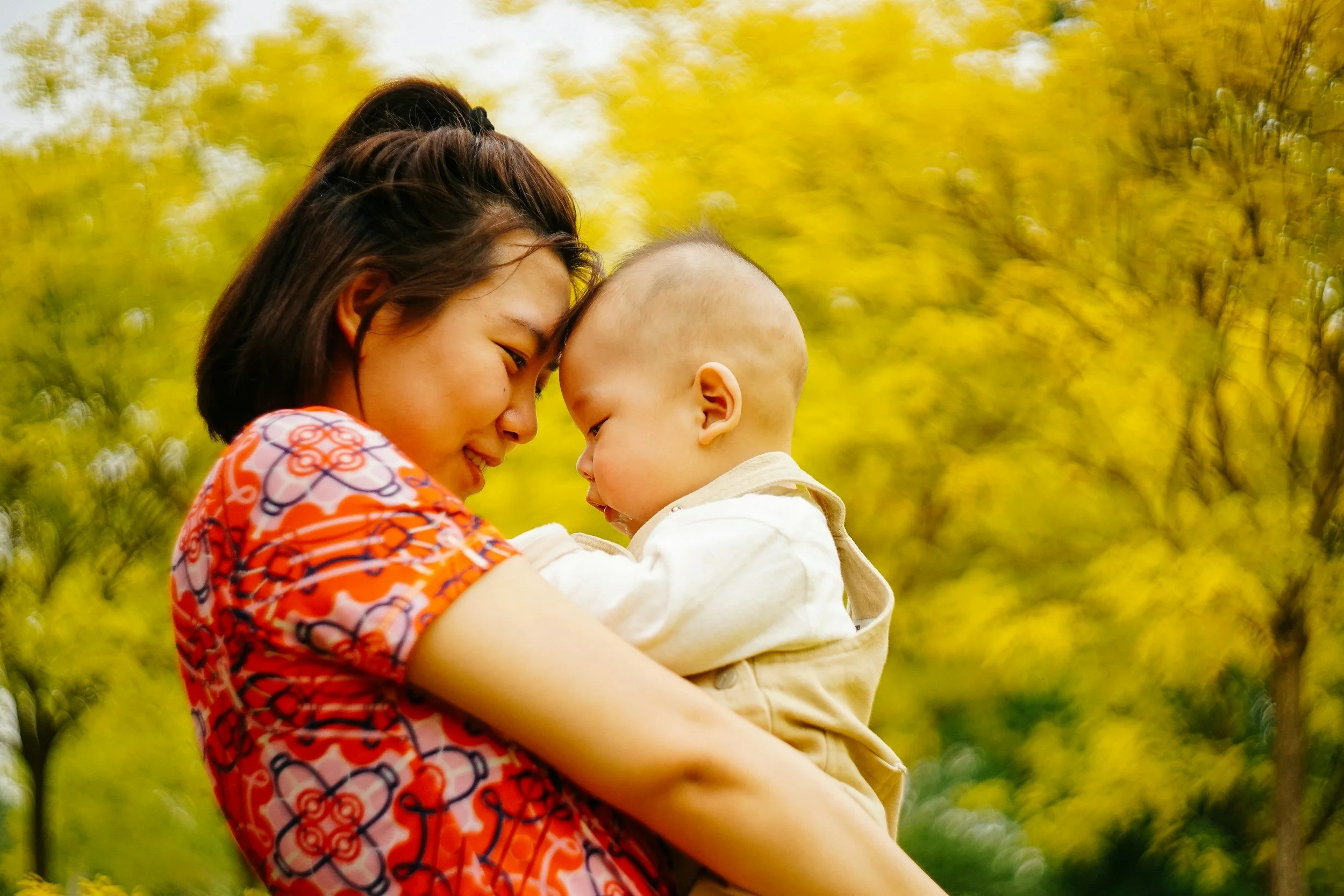
Pelvic Floor Physiotherapy After Pregnancy: When Should New Mothers Seek Help?
Pregnancy and childbirth place significant demands on the pelvic floor muscles, which support the bladder, bowel, and pelvic organs. While some changes are expected after delivery, persistent symptoms should not be ignored.
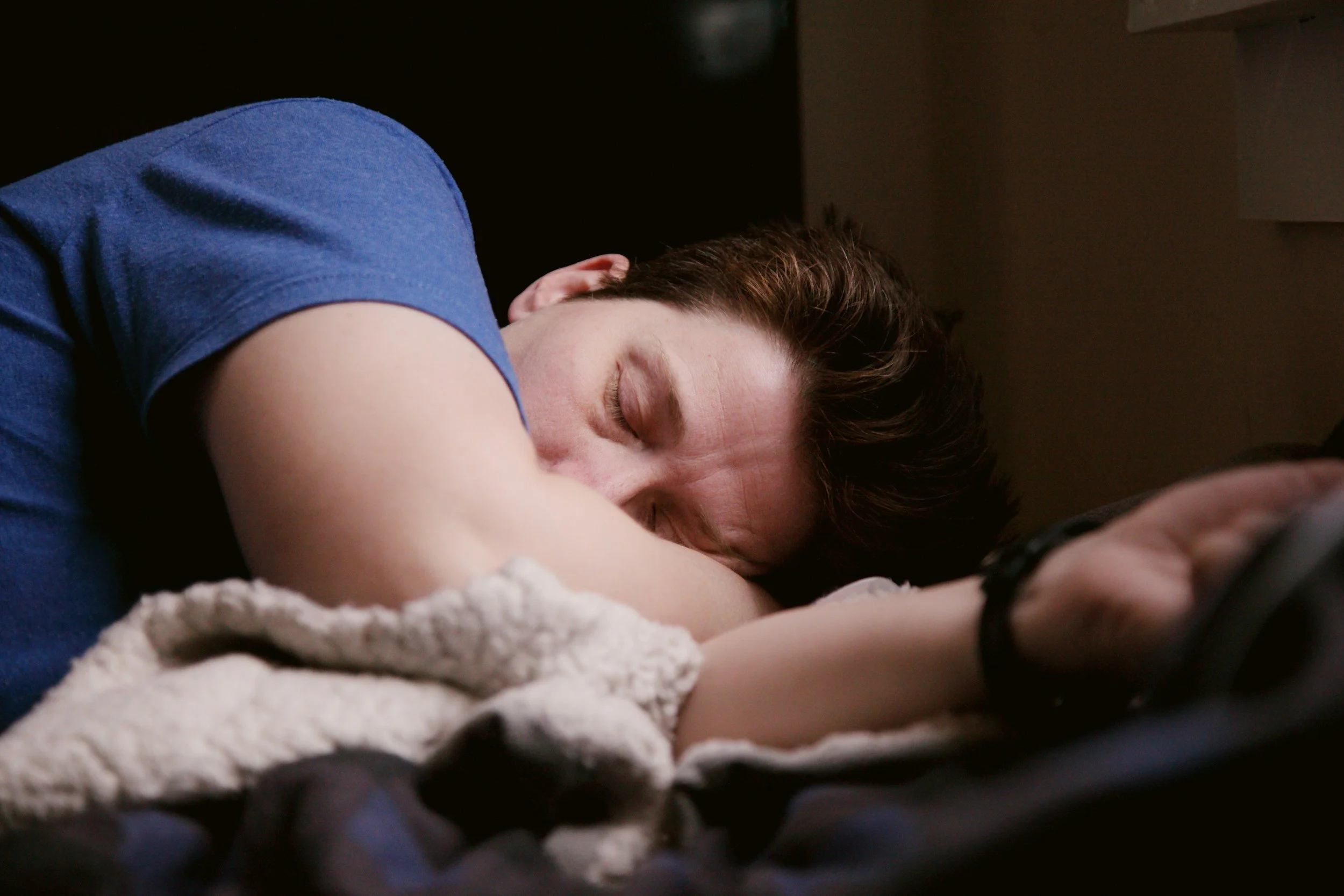
Why Complete Rest Might Be Slowing Your Recovery: The Science Behind Active Rehabilitation
When recovering from an injury, many people assume that complete rest is the fastest path to recovery. While rest is important during the early stages of healing, prolonged inactivity may sometimes delay progress and contribute to muscle weakness, joint stiffness, and reduced function.
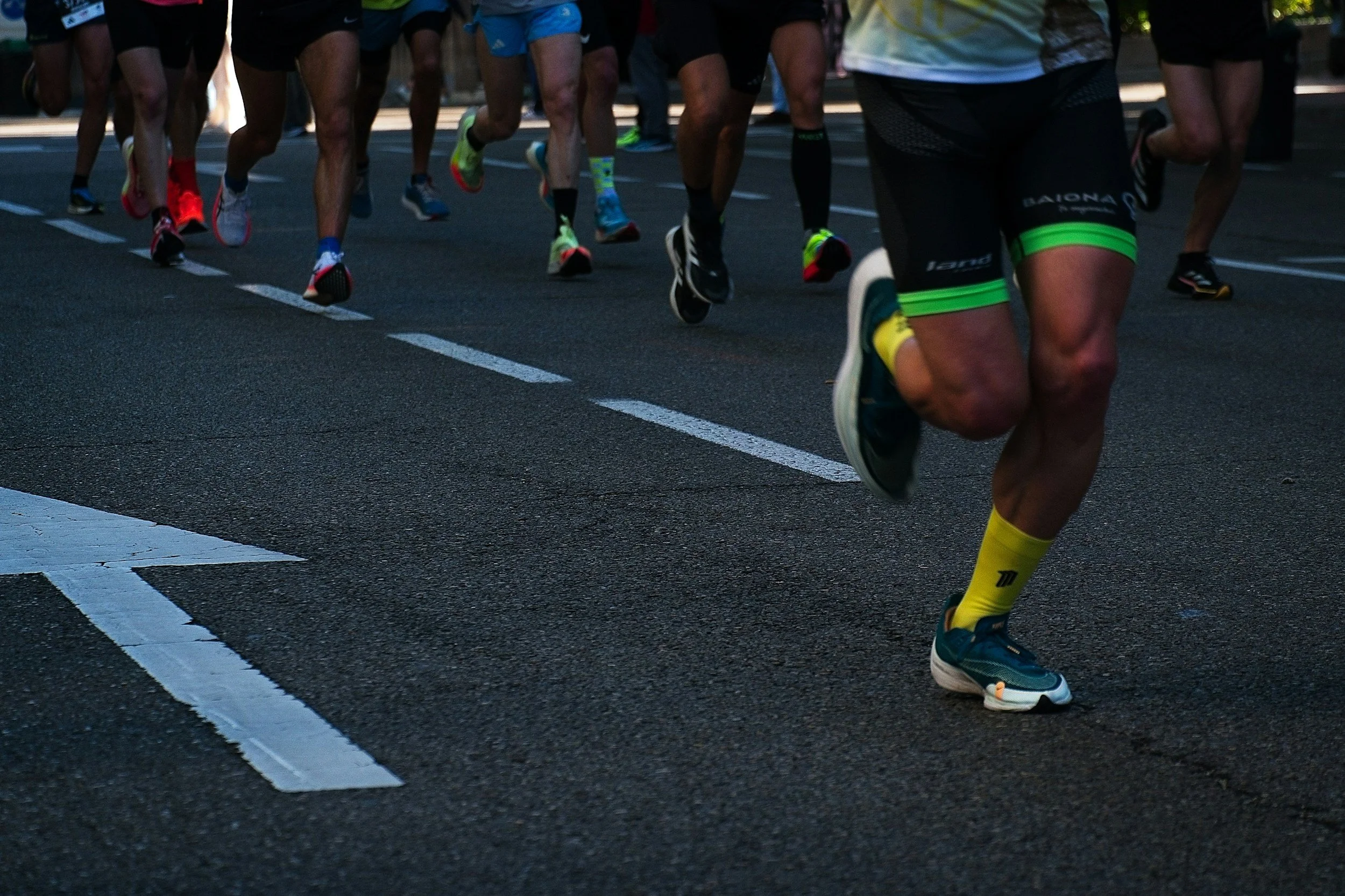
Runner's Knee Explained: Physiotherapy Exercises That Help You Return to Running Faster
Runner's knee, also known as patellofemoral pain syndrome, is one of the most common causes of knee pain among runners. It typically presents as discomfort around or behind the kneecap, particularly during running, stair climbing, squatting, or prolonged sitting.

Training for HYROX Singapore? How to Avoid Injury and Improve Performance
HYROX has rapidly gained popularity in Singapore, combining running with functional fitness challenges that test strength, endurance, and overall athletic performance. While the sport is accessible to a wide range of fitness levels, the demands of training can increase the risk of injury if not managed appropriately.

Can You Claim Insurance for Physiotherapy in Singapore? Everything You Need to Know
The cost of physiotherapy is a common concern for many patients seeking treatment. Fortunately, some physiotherapy services may be claimable under corporate medical benefits or private insurance plans, depending on your policy coverage.
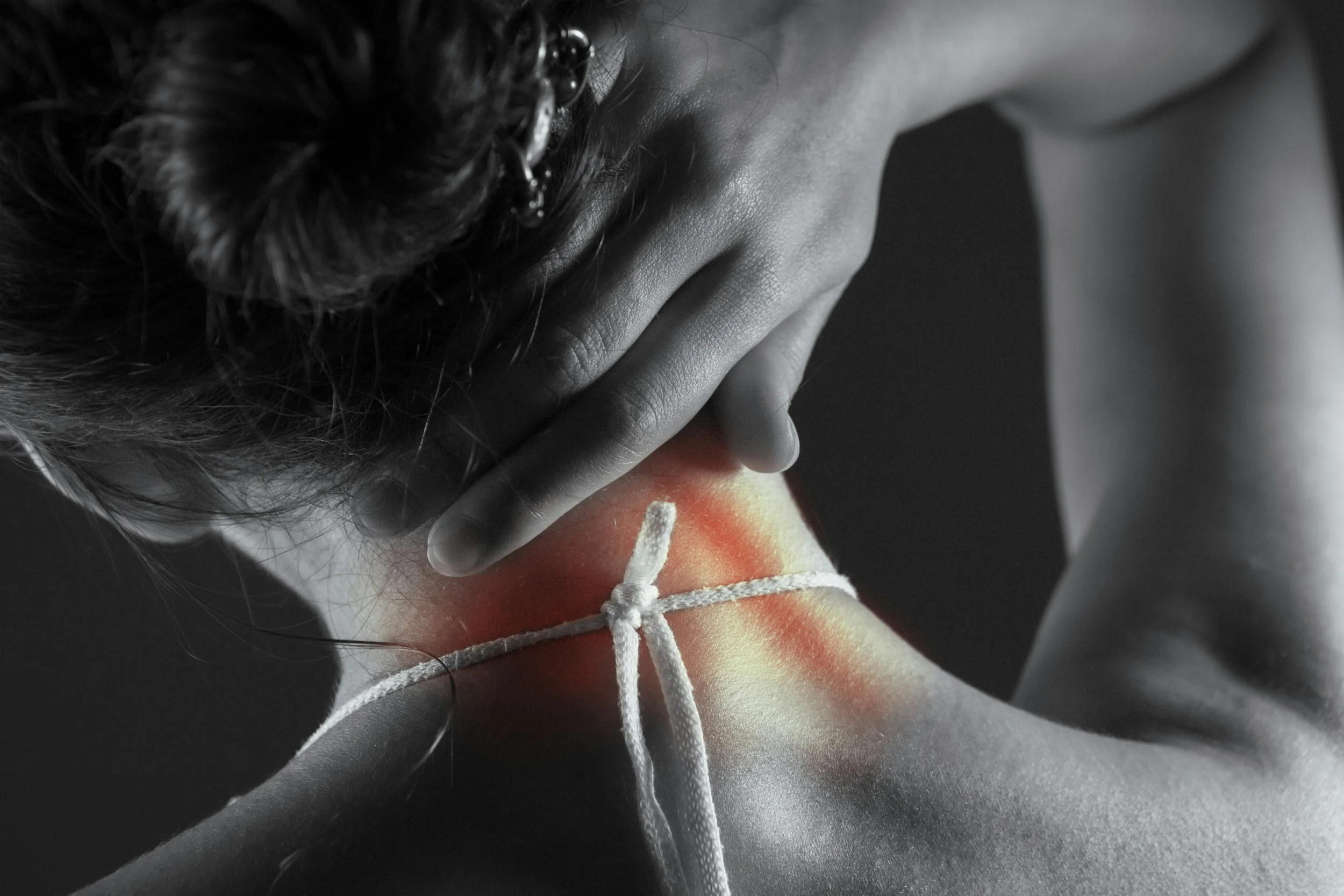
Physiotherapy vs Chiropractic Care in Singapore: Which Is Better for Neck Pain?
Neck pain can affect your ability to work, exercise, and carry out daily activities comfortably. If you are seeking treatment, you may be wondering whether physiotherapy or chiropractic care is the better option.

Is Your Desk Setup Causing Back Pain? 5 Ergonomic Fixes Every Singapore Office Worker Should Know
Back pain is one of the most common complaints among office workers in Singapore. Long hours of sitting, prolonged screen time, and inadequate workstation setup can contribute to discomfort in the lower back, neck, and shoulders.
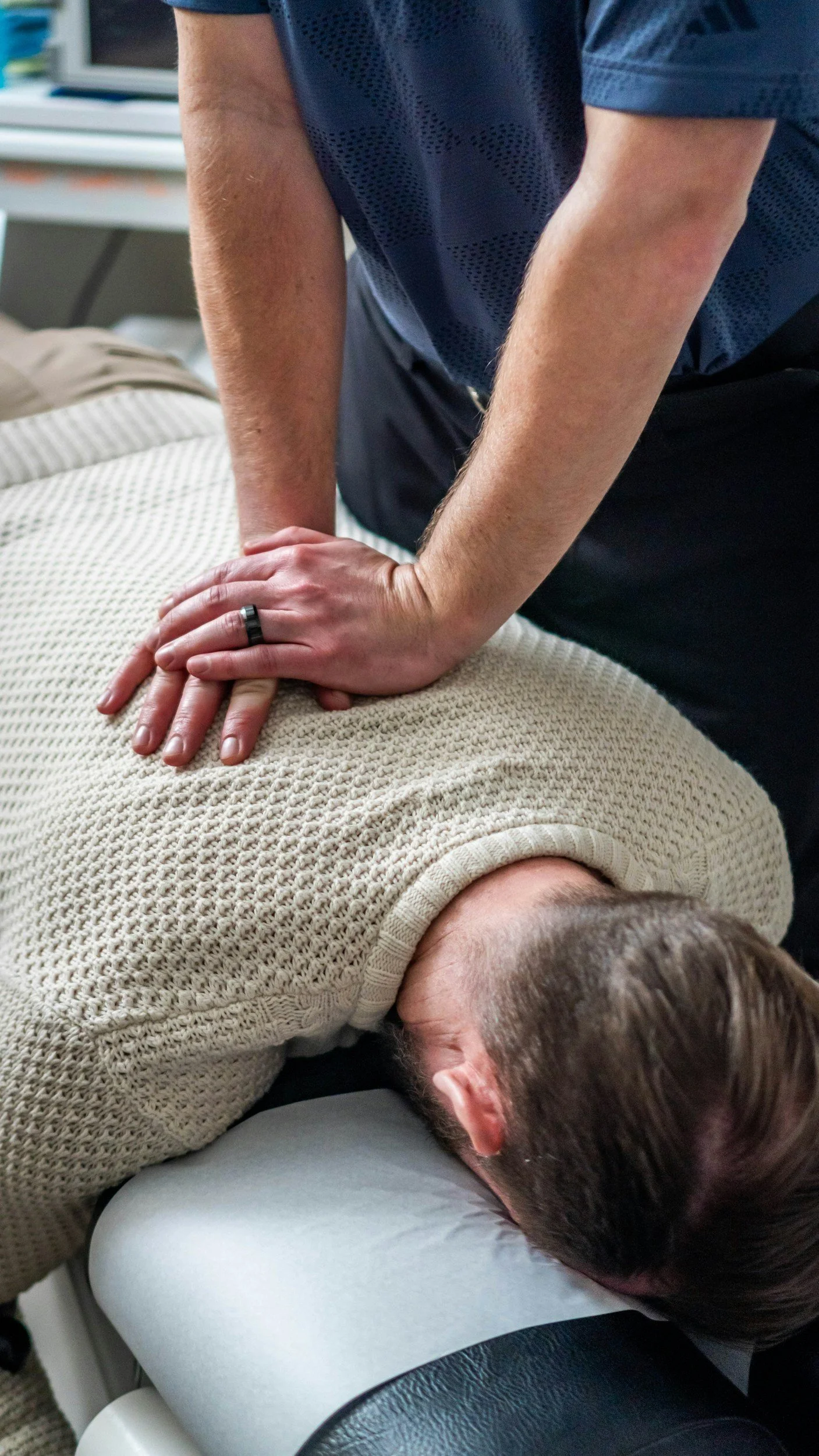
How to Choose the Right Physiotherapist in Singapore: A Complete Guide
Choosing the right physiotherapist is the difference between a quick recovery and a recurring injury. For residents and professionals in Singapore, the sheer number of clinics can be overwhelming. This guide provides a checklist for choosing the best physiotherapist to ensure your recovery is evidence-based, efficient, and long-lasting.
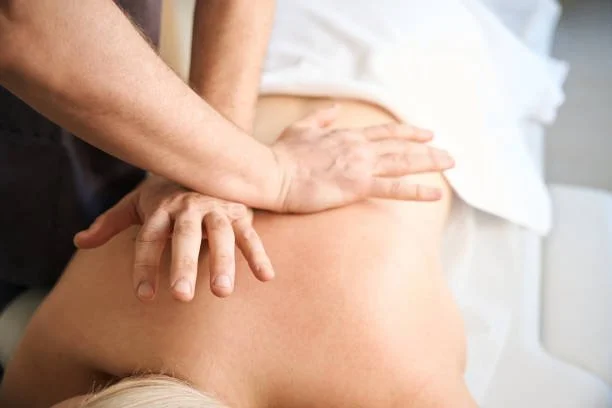
Myofascial Release: The Key to Unlocking Chronic Tension
If you feel like your muscles are constantly "tight" despite regular stretching, the issue might not be your muscles at all—it might be your fascia. Fascia is the specialized system of connective tissue that wraps around every muscle, bone, and organ in your body. When this tissue becomes restricted due to trauma, posture, or inflammation, it results in pressure and pain.
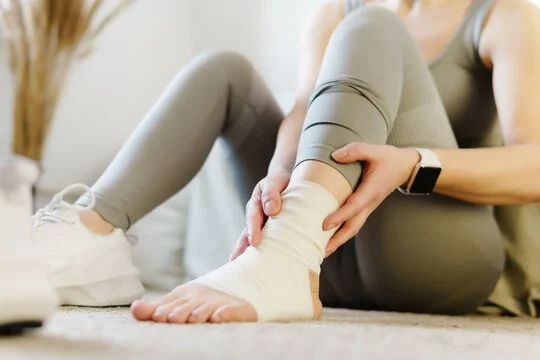
Overcoming Ankle Sprains: A Guide to Recovery and Prevention in Singapore
Whether you’re jogging along East Coast Park, playing a weekend game of floorball, or simply misstepping on a sidewalk in the CBD, an ankle sprain can happen in an instant. It is one of the most common musculoskeletal injuries we treat at Prohealth Asia Singapore, but "walking it off" isn't always the best medicine.
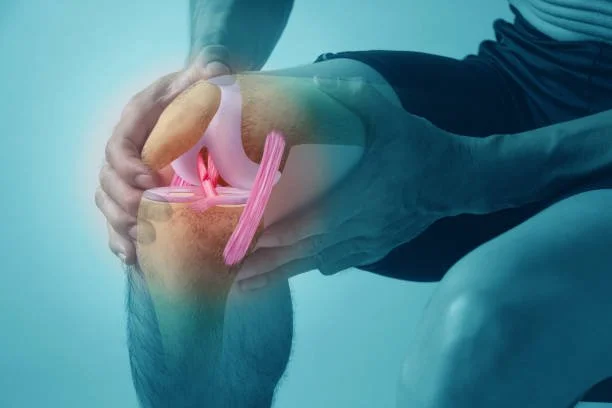
Understanding Meniscus Injuries: Symptoms, Causes, and Recovery in Singapore
In the fast-paced life of Singapore—whether you’re a professional athlete training at the Padang, a "weekend warrior" hitting the trails at MacRitchie, or simply a busy professional navigating the CBD—knee health is essential to your mobility.
Peak Performance & Rapid Recovery: The Prohealth Guide to Sports Physiotherapy in Singapore
In the competitive sporting landscape of Singapore—from the pads of the SCC rugby fields to the humid trails of MacRitchie Reservoir—injuries are often seen as an inevitable setback. But for the modern athlete, a "wait and see" approach is no longer enough.