
From Injury to Strength: The Step-by-Step Guide to Rehabilitation
Injuries can be frustrating, painful, and often life-disrupting. Whether it’s a sports injury, post-surgery recovery, or repetitive strain from daily activity, the journey back to full health takes more than rest. With the right physiotherapy plan, you can go from pain to performance in a safe, structured way.
At In Touch Physio, we support your recovery at every stage. This guide outlines the essential steps in the rehabilitation process and explains how physiotherapy helps you move better, feel stronger, and prevent future injuries.
Step 1: Understanding the Injury
The first step is a thorough assessment by your physiotherapist. We look at more than just where it hurts. This stage includes:
Reviewing how the injury happened
Testing your strength, flexibility, balance, and movement
Identifying any underlying causes or contributing factors
Understanding your body’s unique needs allows us to create a personalised rehab plan that focuses on long-term results, not just short-term relief.
Step 2: Managing Pain and Swelling
In the early days after an injury, reducing pain and inflammation is key. This helps prevent further damage and prepares your body for recovery. Your physiotherapist may use:
Gentle movement and mobility work
Ice or heat therapy
Soft tissue massage or manual therapy
Supportive taping or bracing
We also educate you on how to modify activity without losing momentum in your recovery.
Step 3: Restoring Mobility and Flexibility
Once pain is under control, the focus shifts to restoring joint mobility and soft tissue flexibility. Stiffness and tightness are common after injury, and moving again—safely—is essential.
We use techniques such as:
Assisted and active stretching
Joint mobilisation
Controlled movement patterns
Postural adjustments
Improving your range of motion helps you move comfortably and confidently again.
Step 4: Rebuilding Strength and Stability
When your mobility returns, it's time to strengthen the muscles that support and protect the injured area. A tailored exercise plan will help you rebuild strength gradually without overloading your body.
This may include:
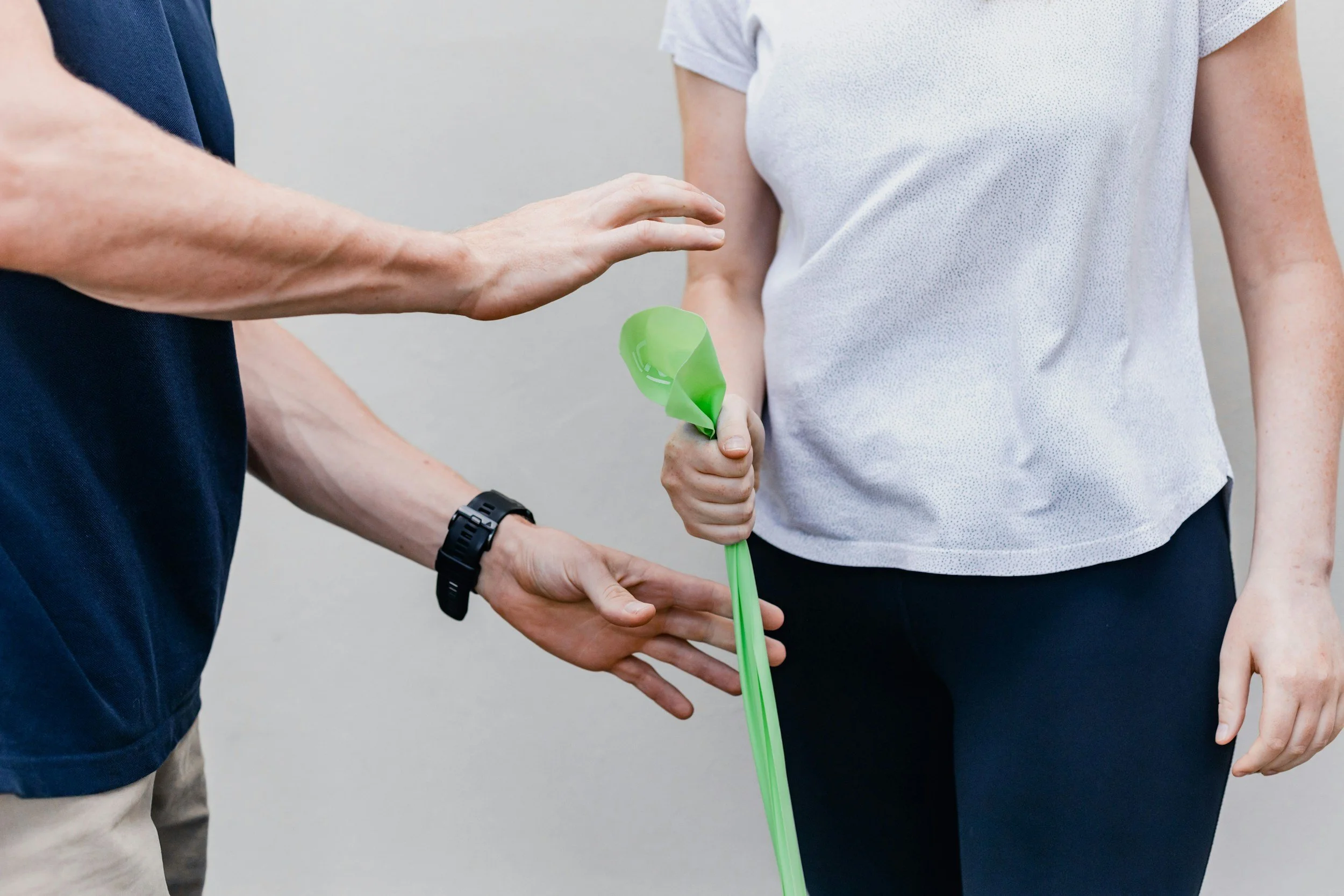
Resistance band or weight training
Core and postural stability work
Balance and coordination drills
Functional movement training
Strengthening not only restores performance but also reduces the risk of re-injury.
Step 5: Returning to Activity or Sport
The final stage of rehabilitation prepares you to return to full function—whether that’s work, sport, or everyday life. Your physiotherapist will help you bridge the gap between rehab and performance by focusing on:
Sport-specific or task-specific training
Endurance, agility, and reaction time exercises
Rebuilding confidence in movement
Monitoring your technique to avoid future issues
We make sure you return stronger, not just healed.
Why Follow a Structured Rehabilitation Program?
Without proper rehab, injuries can linger or come back when you least expect them. A structured plan provides:
A clear path to recovery
Steady and safe progress
Improved long-term strength and mobility
Lower risk of future injuries
Expert support and accountability
Skipping rehab may save time in the short term, but a complete recovery requires commitment and guidance.
Start Your Recovery with In Touch Physio
If you’re recovering from an injury or surgery, or just tired of living with pain, the team at In Touch Physio is here to help. Our expert physiotherapists will guide you through every phase of rehab, from early recovery to peak performance.
Book your physiotherapy session today and take the first step toward lasting recovery and strength.