
Beyond Rest: Why Active Recovery is the Secret to Faster Healing in Singapore
Most Singaporeans believe the best way to recover from a grueling session at the gym or a nagging injury from the weekend football league is to spend Sunday on the couch. It feels intuitive: you’re exhausted from the work week and your workout, so you stop moving.
However, in the world of sports science and physiotherapy, "doing nothing" is often the slowest path to recovery. If you want to bounce back faster, the secret isn’t total immobility—it’s active recovery.
What is Active Recovery?
Active recovery involves engaging in low-intensity movement following high-intensity exertion or injury. Unlike "passive recovery" (sleeping or sitting still), active recovery keeps the body in motion without placing undue stress on your joints or central nervous system.
Think of it as "working in" rather than "working out." In a local context, effective activities include:
A brisk walk along the East Coast Park or a local PCN (Park Connector).
Gentle swimming (utilising the buoyancy of water in your condo or public pool to reduce joint impact).
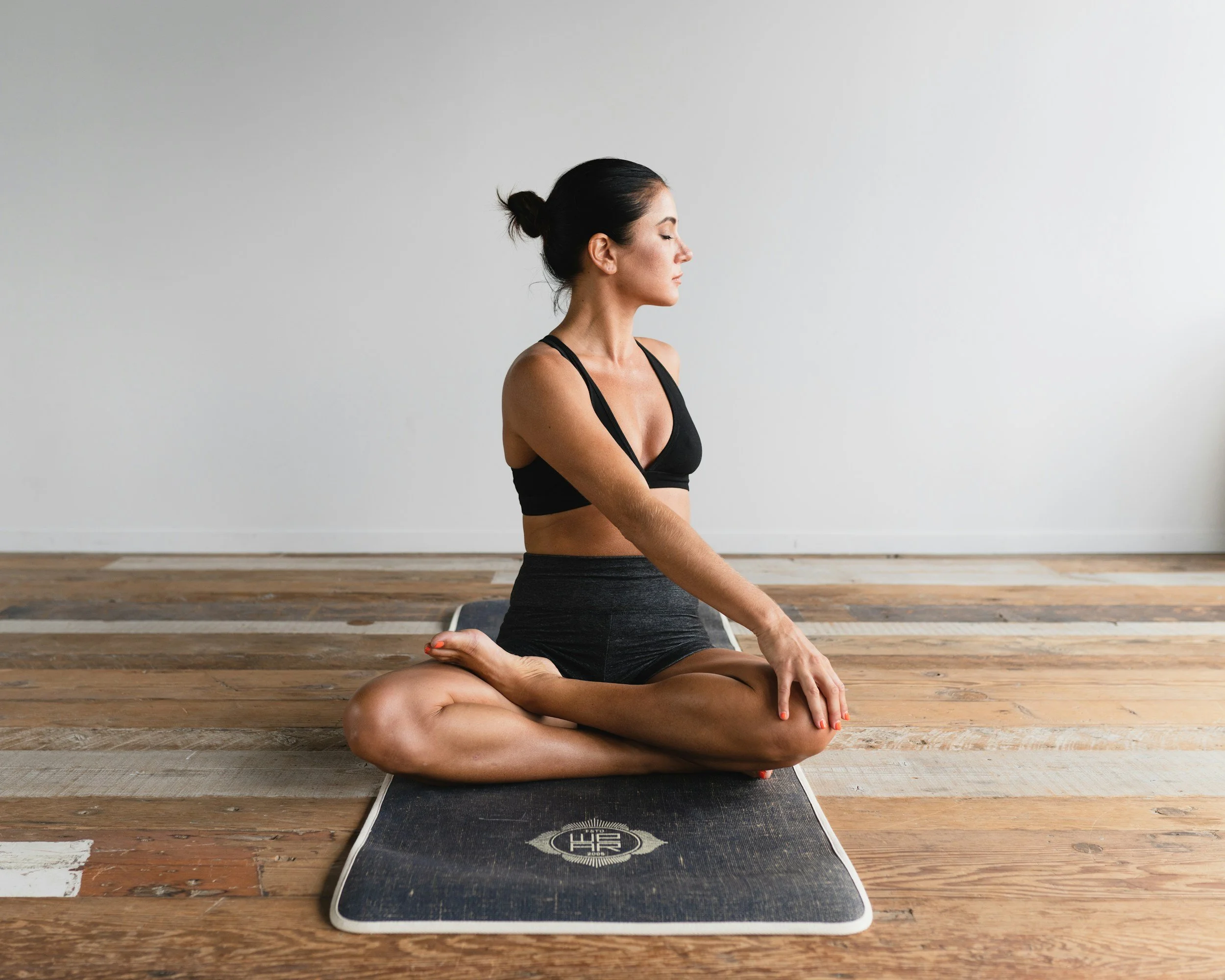
Mobility work or flow-based yoga at a local studio.
The goal isn't to hit a new "Personal Best" or close your activity rings; it’s to prime your body for repair.
The Physiology of Healing: Why Movement Beats the Couch
Why is movement more effective than rest? It comes down to how your body processes metabolic waste and delivers nutrients.
1. The "Flush" Effect
During intense exercise, your muscles produce metabolic byproducts. When you stop moving entirely, these byproducts can linger, contributing to that "stiff" feeling known as Delayed Onset Muscle Soreness (DOMS). Light movement keeps your heart rate slightly elevated, helping your lymphatic system flush these toxins away.
2. Oxygen Delivery
Blood is the primary vehicle for muscle repair. By engaging in low-intensity movement, you increase local blood flow. This delivers a fresh supply of oxygen and essential nutrients (like amino acids) directly to damaged tissues, significantly shortening your healing timeline.
Physiotherapy-Approved Methods
At our Singapore clinic, we integrate specific techniques into our patients' recovery plans to ensure they are moving safely:
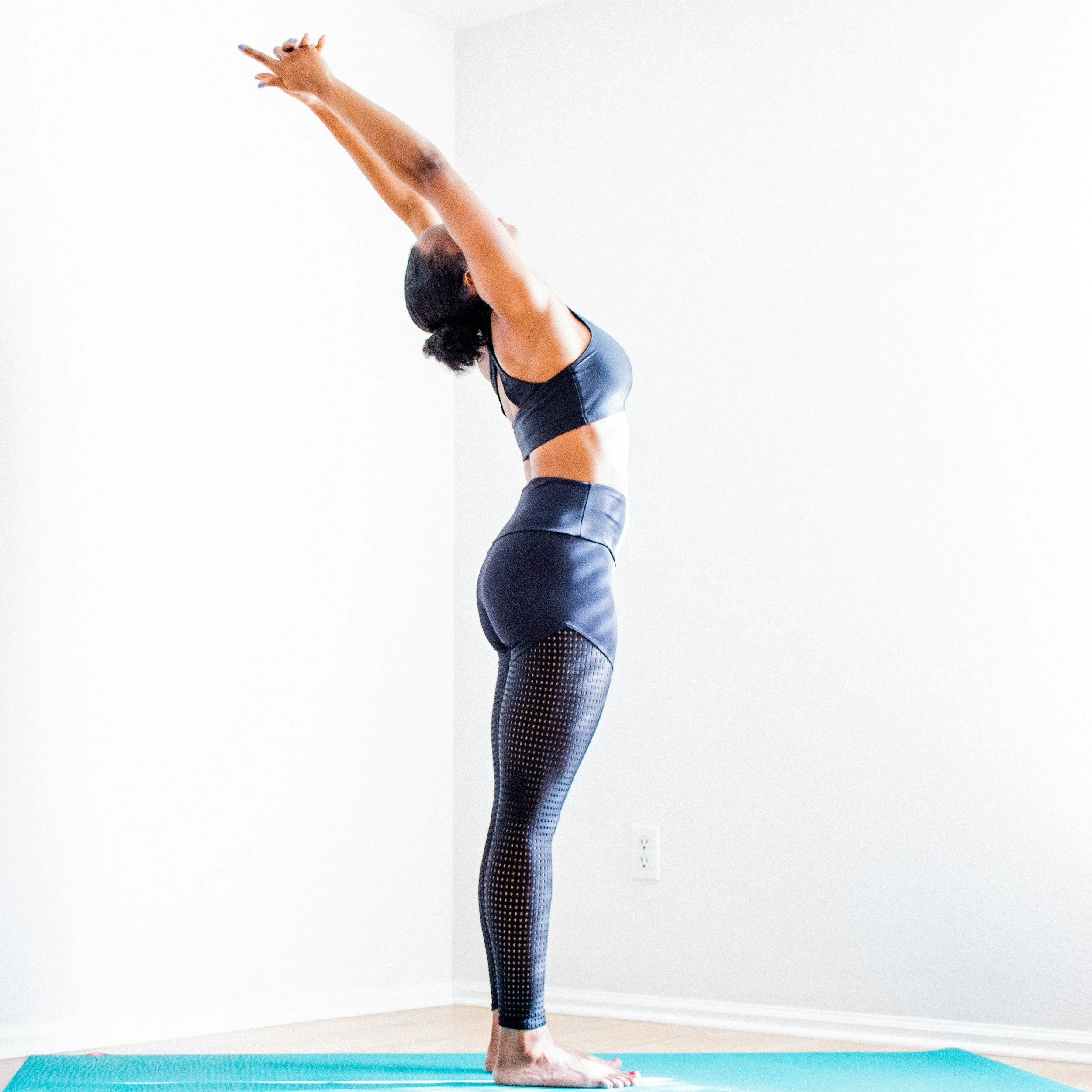
Dynamic Stretching: Instead of holding a static pose, you move through a full range of motion. This is vital for "thawing out" muscles after a long day at a desk.
Low-Impact Hydrotherapy: Using water resistance allows limb movement without the weight of gravity—perfect for lower-limb injuries.
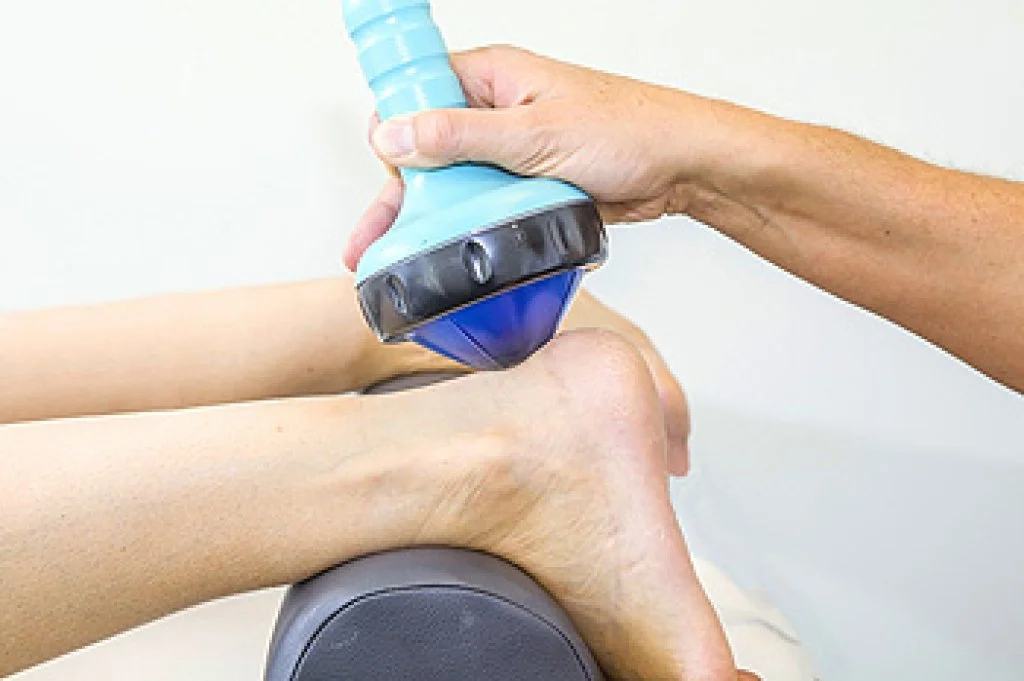
Soft Tissue Mobilisation: Using foam rollers or percussion tools (like a Theragun) under professional guidance helps break up adhesions and improves fascia quality.
Designing Your Weekly Wellness Routine
The key to long-term physical wellness in a fast-paced city like Singapore is a proactive schedule. Recovery should be a non-negotiable part of your week.
Pro Tip: If you feel "beat up" rather than just "tired," your body is likely asking for movement, not just a nap. A 20-minute stroll through the Botanic Gardens can do more for your aches than a two-hour snooze.
Are you struggling with persistent muscle soreness or a sports injury? Book a session with one of our Physiotherapists to create a custom recovery programme tailored to your lifestyle.