
Is Shockwave Therapy Right for Your Plantar Fasciitis or Tendonitis?
If you’ve been dealing with persistent heel pain, morning stiffness, or nagging tendon aches, you may be wondering whether modern therapies can finally offer real relief. Among the most popular non-invasive treatments today is Shockwave Therapy in Singapore, widely recommended for stubborn conditions like plantar fasciitis and tendonitis. But is it truly the right solution for you?
Let’s break down how shockwave therapy works, who benefits most, and what you can expect during treatment.
What Is Shockwave Therapy?
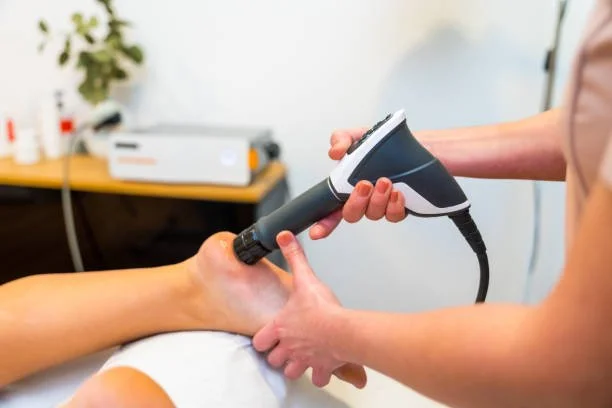
Shockwave therapy—formally known as Extracorporeal Shockwave Therapy (ESWT)—uses high-energy acoustic waves to stimulate healing in injured soft tissue. These waves penetrate deep into the affected area and trigger biological responses that promote regeneration, reduce inflammation, and relieve pain.
In Singapore, shockwave therapy is commonly used in physiotherapy clinics, sports injury centres, and orthopaedic practices because of its strong clinical track record, especially for chronic conditions.
Why Shockwave Therapy Works for Plantar Fasciitis
Plantar fasciitis is one of the most common foot conditions treated by Shockwave Therapy providers. This injury occurs when the plantar fascia—a long band of tissue under the foot—becomes inflamed or develops micro-tears.
How Shockwave Therapy Helps:
Breaks down tight or thickened fascia tissue
Stimulates new blood vessel formation
Reduces heel pain by targeting nerve hypersensitivity
Speeds up tissue repair
Most patients experience noticeable improvement within a few weeks, even if they’ve struggled with heel pain for months or years.
How Shockwave Therapy Treats Tendonitis
Tendonitis (or tendinopathy) affects areas like the Achilles tendon, patellar tendon, shoulder, or elbow. Chronic tendon injuries often heal slowly because tendons have poor blood supply. This makes shockwave therapy particularly effective, as it triggers controlled micro-trauma that restarts the healing process.
Key benefits for tendonitis include:
Collagen production for stronger tendons
Breakdown of scar tissue and calcifications
Reduction of chronic inflammation
Improved mobility and load tolerance
Many athletes and active individuals choose Shockwave Therapy clinics as a first-line treatment for tendon issues because of its proven effectiveness and minimal downtime.
Is Shockwave Therapy Painful?
One of the biggest questions patients ask is whether shockwave therapy hurts. Modern devices used in Singapore allow therapists to control the intensity, making the treatment tolerable for most people.
What to expect:
Mild tapping or pressure sensation
10–15 minute sessions
No anaesthesia needed
Immediate return to daily activities
For most people, any temporary discomfort is outweighed by the significant long-term relief that follows.
How Many Sessions Do You Need?
The number of sessions varies depending on the severity and duration of your condition, but most treatment plans include:
3–6 sessions spaced weekly
Results typically noticed by the second or third session
Best outcomes when combined with physiotherapy exercises
These exercises strengthen the surrounding muscles, address underlying imbalances, and prevent recurrence.
Who Is the Best Candidate for Shockwave Therapy?
Shockwave therapy may be right for you if:
✔ You have tried rest, stretching, or physiotherapy with limited improvement
✔ You are suffering from chronic heel pain or long-term tendonitis
✔ You want a non-invasive alternative to injections or surgery
✔ You prefer fast pain relief with no downtime
However, shockwave therapy is not suitable for pregnant individuals, people with nerve disorders, or those with acute injuries less than six weeks old.
Is Shockwave Therapy Right for You?
If chronic heel pain or tendonitis is affecting your mobility, sleep, or performance, Shockwave Therapy can be an effective, science-backed solution. With its ability to accelerate healing, reduce inflammation, and repair tissue, shockwave therapy offers long-lasting relief without invasive procedures.
For many patients, it is the breakthrough treatment that finally ends their pain journey—and gets them back to moving freely again.