
The Ultimate Guide to Non-Surgical Tennis Elbow Treatment Singapore
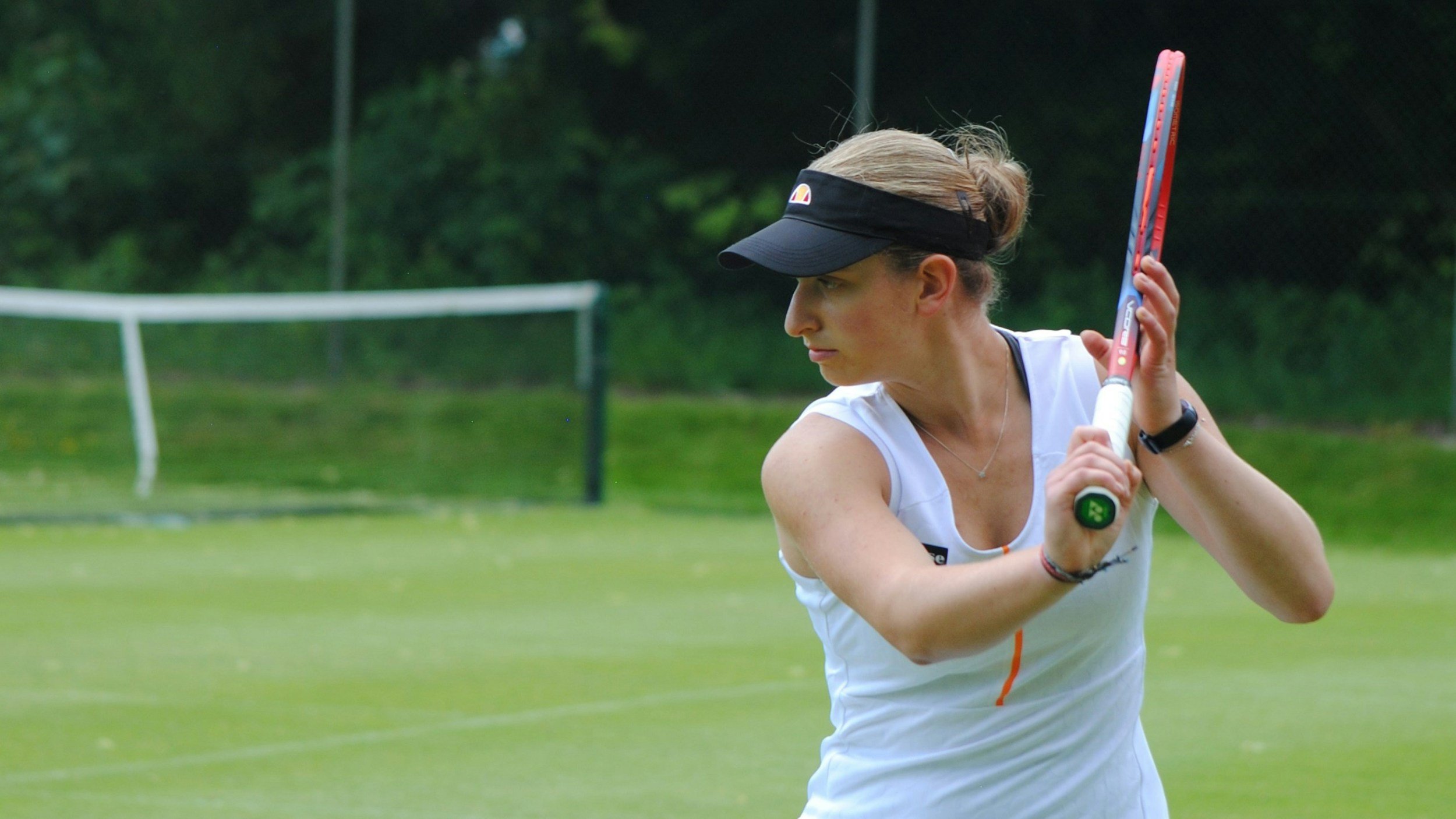
Tennis elbow, or lateral epicondylitis, is one of the most common overuse injuries affecting adults in Singapore today. Despite the name, it affects far more office workers, manual workers, and parents than actual tennis players. The condition occurs when the forearm extensor tendon becomes irritated or degenerates due to repetitive strain.
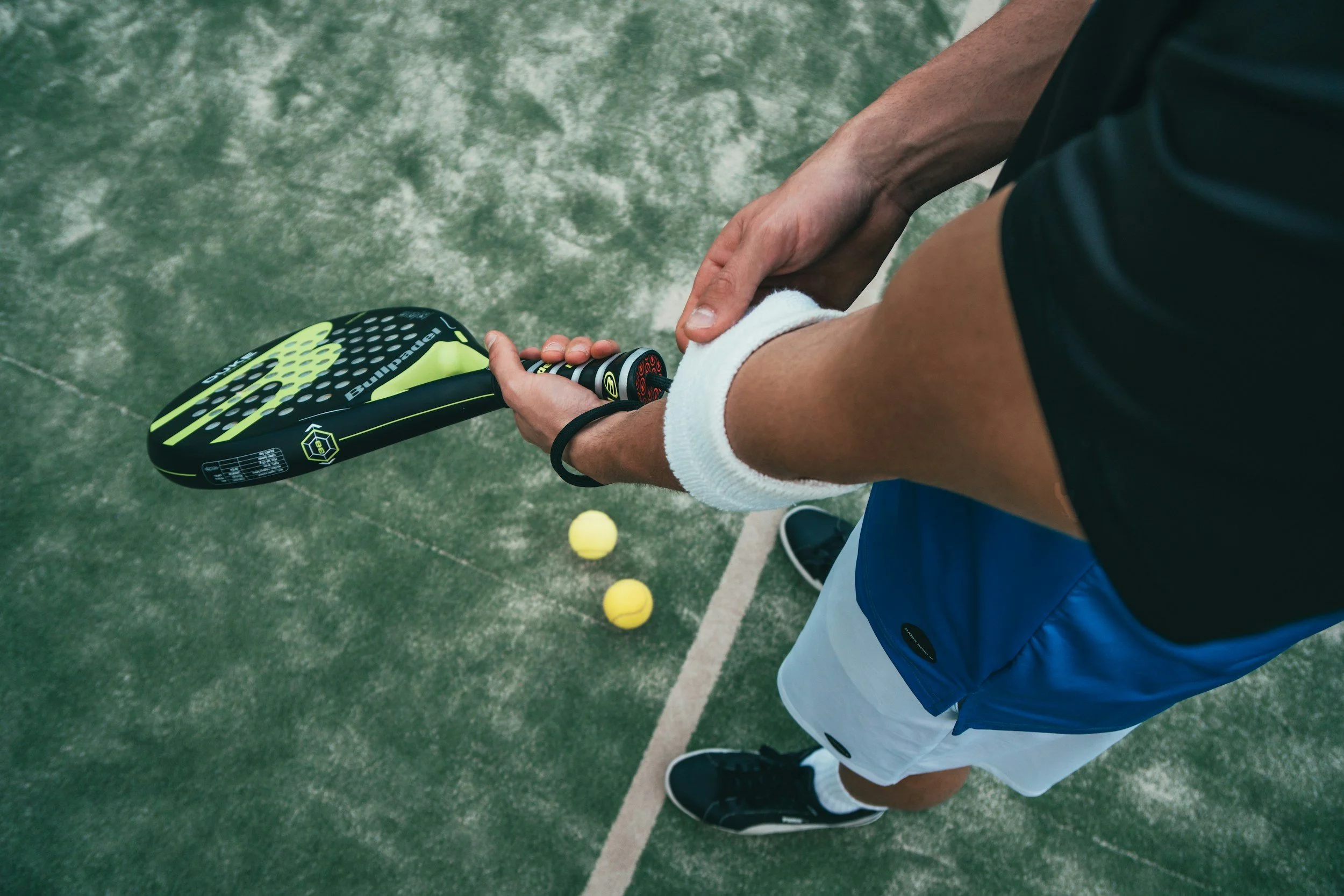
Crucially, the rise of popular paddle sports like Padel and Pickleball in Singapore is contributing to a noticeable increase in this injury. These sports involve repetitive, quick-hitting motions and wrist action that place significant, similar strain on the forearm tendons, often leading to what is sometimes called "Pickleball Elbow" or "Padel Elbow."
Many people worry that tennis elbow may require surgery, but the good news is this: most cases can be treated effectively without any surgical intervention. This ultimate guide breaks down the most effective non-surgical tennis elbow treatment options available in Singapore and how to choose the right path for long-term recovery.
Understanding Tennis Elbow Symptoms
Before exploring treatment options, it’s important to recognise common symptoms:
Pain or burning on the outer elbow
Weak grip strength
Pain when lifting, gripping, typing, or twisting objects
Stiffness after inactivity
If these symptoms persist for more than two weeks, early intervention is highly recommended to prevent chronic tendon damage.
Why Non-Surgical Treatment Is the First Choice
Surgery for tennis elbow is rare and usually considered only when symptoms persist beyond 9–12 months despite conservative care. Most patients recover fully with non-invasive treatment, which focuses on healing the tendon, reducing inflammation, and restoring strength.
Non-surgical care is safer, more affordable, and highly effective when guided by trained physiotherapists or sports medicine professionals in Singapore.
Top Non-Surgical Tennis Elbow Treatment Options in Singapore
1. Physiotherapy & Strengthening Exercises
Physiotherapy remains the gold standard and first-line treatment. A tailored programme often includes:
Eccentric strengthening to rebuild tendon health
Manual therapy to release tight forearm muscles
Joint mobilisation to improve movement
Progressive load training for long-term tendon resilience
This combination not only reduces pain but prevents recurrence, which is particularly important for athletes returning to racquet and paddle sports.
2. Shockwave Therapy (ESWT)
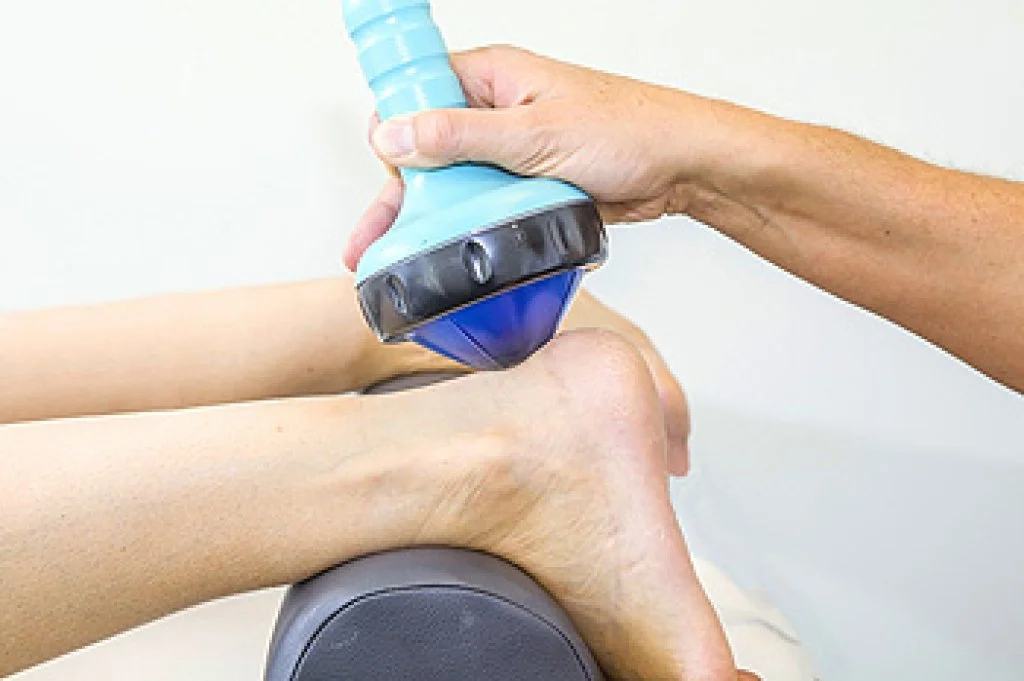
Shockwave therapy is widely used in Singapore for stubborn tennis elbow cases. It works by stimulating blood flow and promoting tendon regeneration. Many patients report noticeable improvements in 3–6 sessions, especially when paired with physiotherapy.
3. TECAR or Radiofrequency Therapy
TECAR therapy accelerates healing by delivering deep thermal energy. It reduces inflammation, improves circulation, and decreases muscle tension—providing both short-term relief and long-term improvement.
4. Dry Needling
Used by many sports physiotherapists, dry needling releases trigger points in the forearm muscles that overload the tendon. This can significantly reduce pain and improve mobility.
5. Forearm Bracing
A counterforce brace or elbow strap can reduce strain on the extensor tendon during daily activities. While not a complete treatment, it offers valuable support during recovery, including during light play in Padel or Pickleball.
6. Lifestyle & Ergonomic Adjustments
Long-term healing also requires understanding the cause of the injury, particularly relating to sports technique and equipment. Common adjustments include:
Improving workstation ergonomics
Correcting lifting or sports technique (e.g., avoiding excessive wrist-flicking in Pickleball backhands)
Ensuring proper paddle/racquet grip size and using equipment that minimises vibration
Taking regular breaks from repetitive tasks
Strengthening supporting muscles
These changes prevent repeated strain on the tendon.
Choosing the Best Treatment Approach
While quick fixes can offer short-term relief, a comprehensive non-surgical plan targets the root cause of tennis elbow. In Singapore, physiotherapists play a critical role in assessing the severity of your condition and designing a personalised recovery programme.
For most patients, a combination of physiotherapy, shockwave therapy, and ergonomic adjustments leads to significant improvements within weeks—and full recovery within months.
Reclaim Your Pain-Free Movement
Tennis elbow doesn’t have to disrupt your work, sports, or daily life. With modern non-surgical treatment options in Singapore, you can recover safely, effectively, and without the risks of surgery. Early assessment and a structured plan ensure the best chance of long-term success and prevent the condition from becoming chronic, allowing you to return to the court—whether for tennis, Padel, or Pickleball—stronger and smarter.