
Rebound and Realign: Why Post-Ski Season Physiotherapy is Your Secret to Long-Term Mobility

As the snow melts and the lifts stop spinning, most skiers and snowboarders simply pack away their gear and wait for next year. However, months of carving turns, absorbing moguls, and enduring sub-zero temperatures take a specific toll on the human body.
If you want to ensure your knees, back, and hips are ready for the next opening day—or just pain-free for summer hiking—post-ski season physiotherapy is essential.
Why Your Body Needs a "Post-Season Tune-Up"
Skiing is an eccentric-loading sport, meaning your muscles (particularly your quads) are constantly lengthening under tension to control your descent. This, combined with the lateral stress on ligaments, creates specific wear patterns:
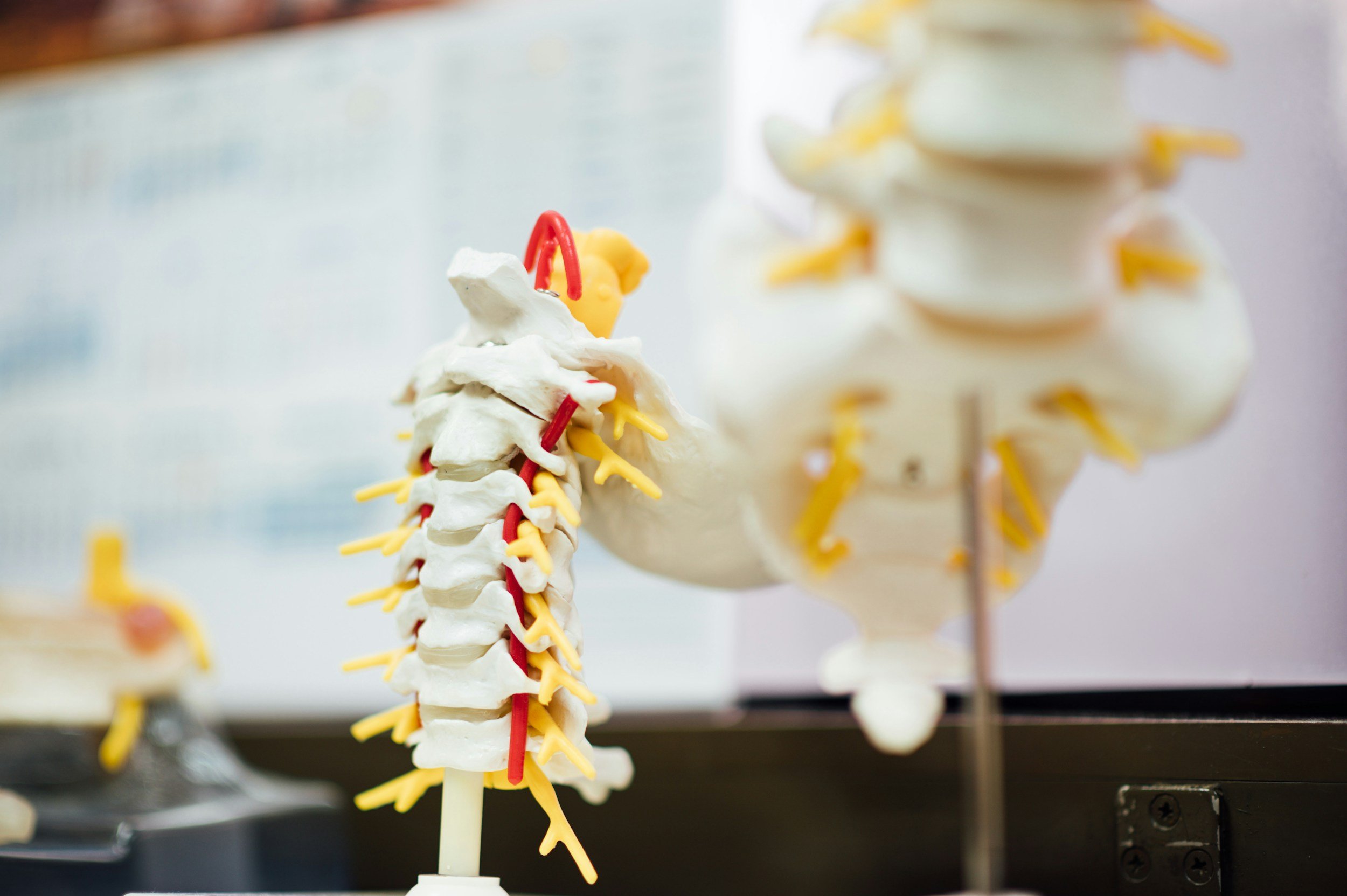
Joint Compression: Constant vibration and impact can compress the lumbar spine and knees.
Muscle Imbalances: Overdeveloped quads can lead to tight hip flexors and "turned off" glutes.
Micro-trauma: Small strains in the ACL, MCL, or meniscus often go unnoticed due to the cold and adrenaline.
Key Focus Areas for Post-Ski Recovery
A specialized physiotherapy program doesn't just treat injuries; it restores functional movement. Here is what a typical recovery phase looks like:
Joint Mobility
The primary goal is to restore a full, fluid range of motion, particularly in the ankles and hips which are often locked into rigid positions by ski boots and bindings. Physiotherapists achieve this through manual therapy and targeted joint mobilizations to "unlock" stiff tissues.
Tissue Repair
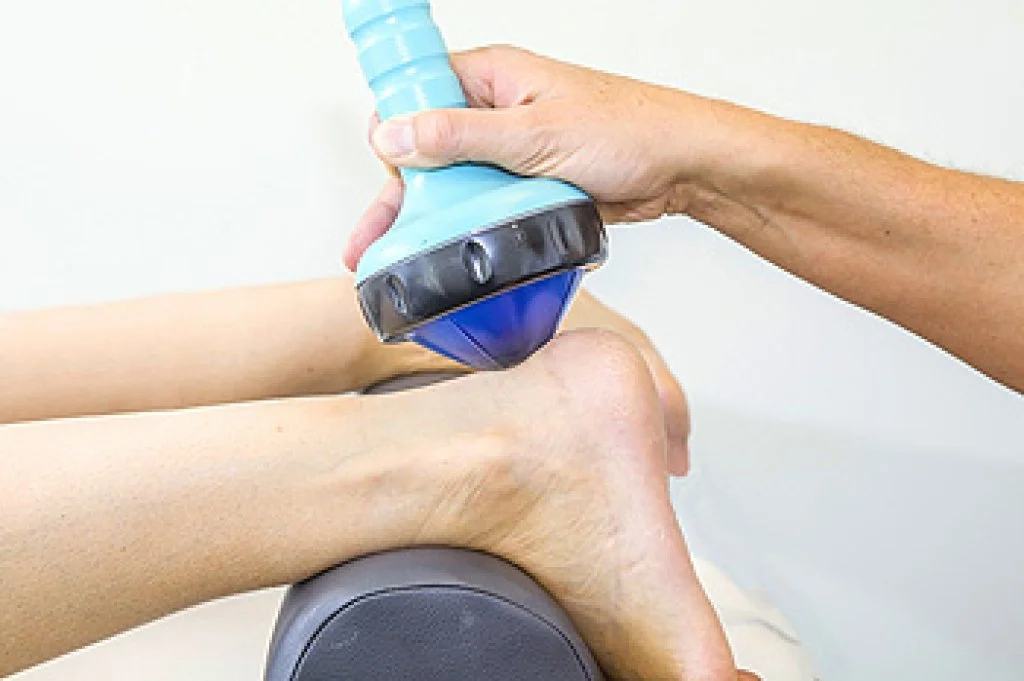
Months of carving turns can lead to chronic inflammation and "knotting" in the quadriceps and calves. To address this, therapists use techniques like dry needling and myofascial release to break down adhesions and stimulate blood flow to fatigued muscle fibers.
Core Stability
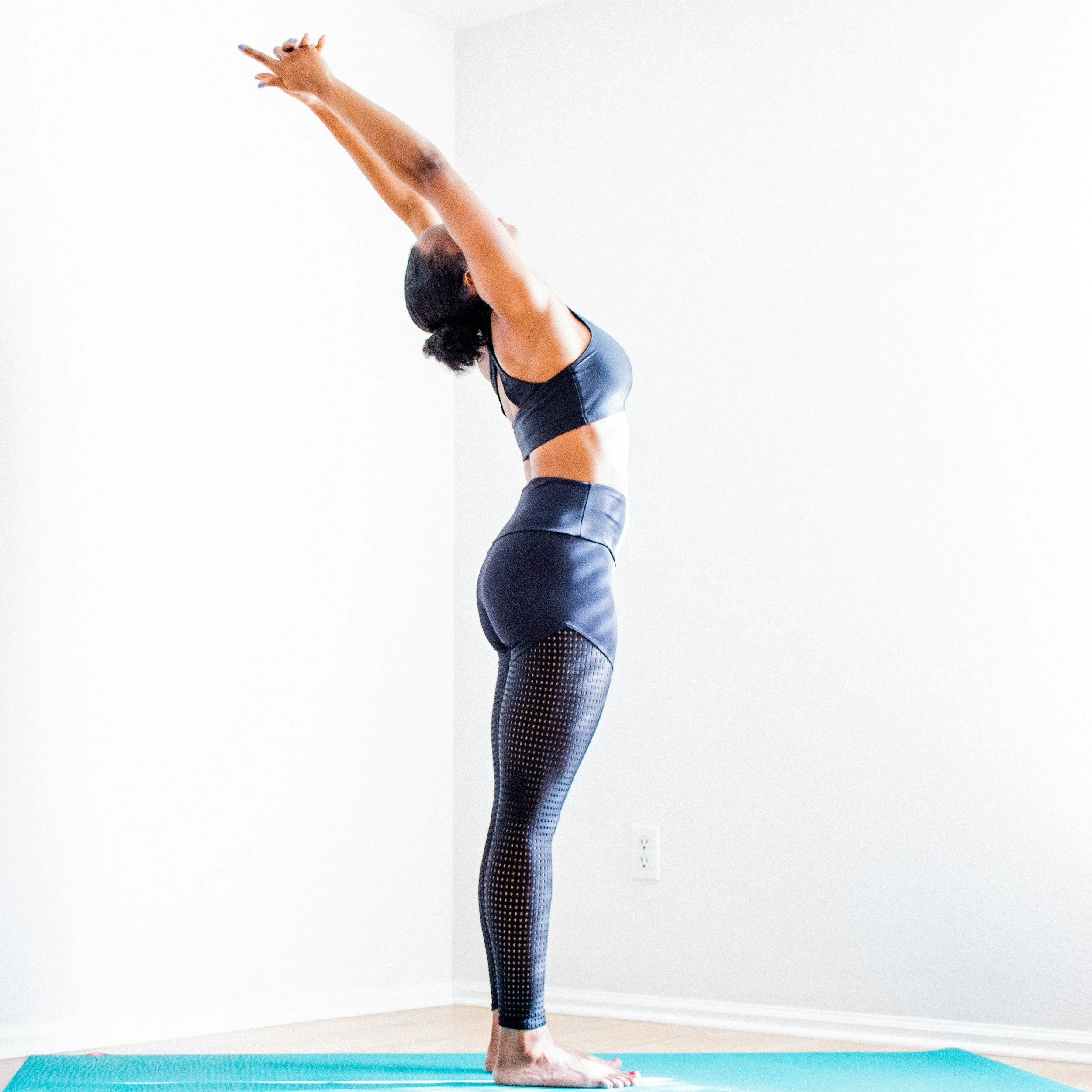
Skiing often leads to a rounded "skier's stance" that can decondition the deep core. Recovery focuses on realigning the spine and pelvis using Clinical Pilates and eccentric core loading, ensuring your trunk can support your weight during summer activities.
Proprioception
Balance is often the first thing to decline after the season ends. Specialists use perturbation training and single-leg stability work to retrain the brain-to-muscle connection, ensuring your nervous system stays sharp and reactive for uneven terrain.
3 Signs You Shouldn't Skip the Physio This Spring
The "Stiff Morning" Syndrome: If your knees or lower back feel "rusty" for the first 20 minutes after waking up, you likely have residual inflammation or joint tracking issues.
Persistent Lateral Knee Pain: Often dismissed as "just a sore leg," this can be a sign of IT Band Syndrome or minor ligamentous laxity that will worsen if not addressed.
Asymmetrical Strength: Do you find yourself leaning more on one leg when standing? This indicates a compensatory pattern developed during the season that can lead to future injury.
The Path to a Stronger Next Season
Post-season recovery is the foundation of pre-season preparation. By addressing the imbalances now, you prevent chronic "overuse" injuries from setting in during the summer months.