
Dry Needling Explained: Is It the Right Tool for Your Deep Muscle Pain?
Deep muscle pain can limit movement, reduce strength, and interfere with daily activities. For many people, traditional pain management strategies such as medication or stretching are not enough. Dry needling has emerged as a targeted physiotherapy technique designed to relieve muscle tension, improve mobility, and reduce chronic pain. Understanding how it works and whether it is suitable for your condition can help you make informed decisions about your treatment.
What is Dry Needling?
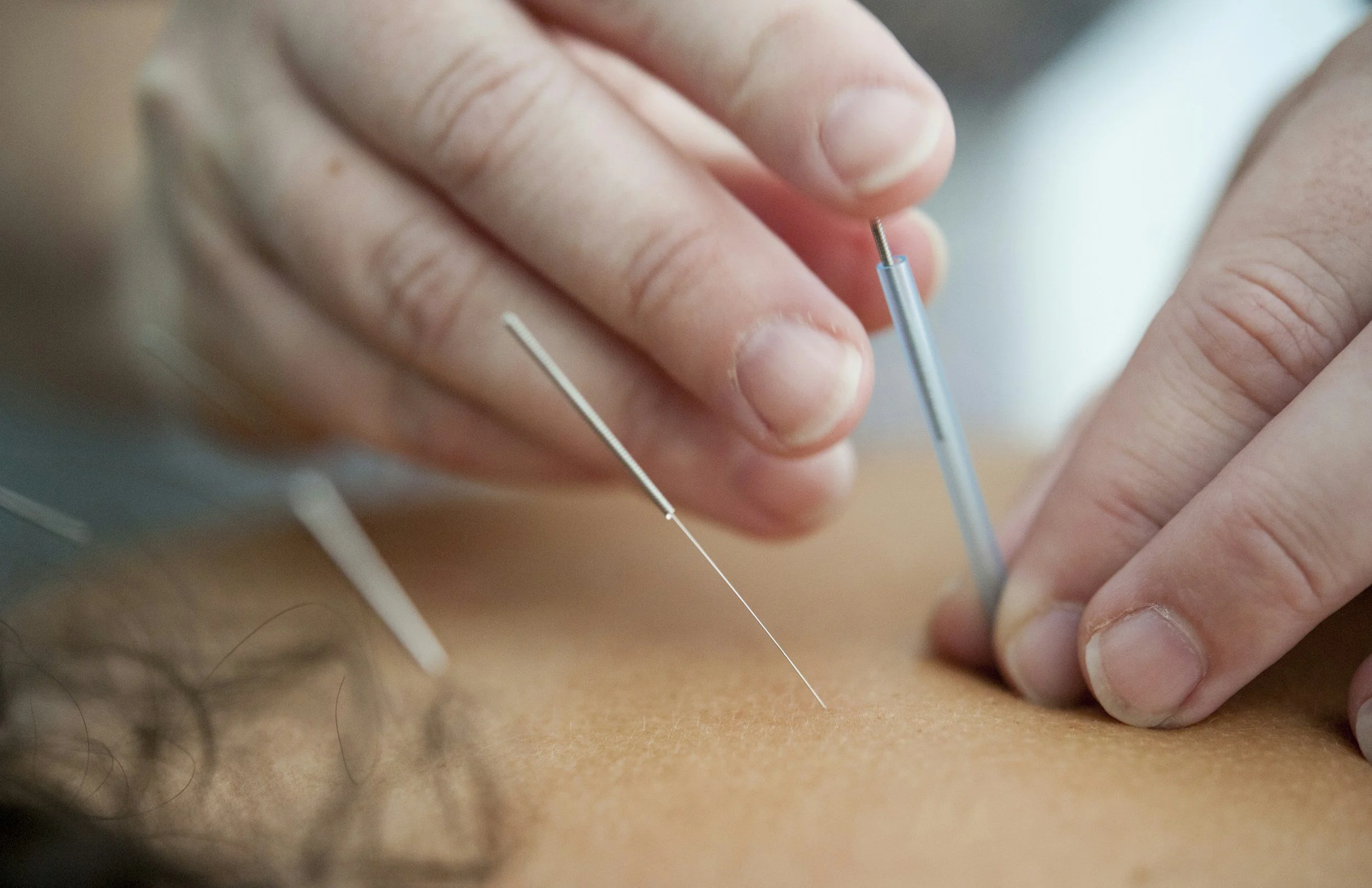
Dry needling involves the insertion of fine, sterile needles directly into tight or knotted areas of muscle, known as trigger points. Unlike acupuncture, dry needling focuses on musculoskeletal function rather than energy flow. The goal is to release tension within the muscle, restore normal movement patterns, and reduce pain.
Physiotherapists use dry needling as part of a comprehensive treatment plan that includes exercise, manual therapy, and education. This approach ensures that muscle function is improved, not just temporarily relaxed.
How Dry Needling Helps Deep Muscle Pain
Dry needling is particularly effective for deep muscle pain that is resistant to conventional therapies. The benefits include:
Muscle relaxation: Inserting the needle stimulates a local twitch response, helping to release tight fibres.
Pain reduction: By decreasing tension and stimulating blood flow, dry needling reduces discomfort and improves movement.
Improved mobility: Releasing trigger points allows muscles to lengthen and joints to move more freely.
Enhanced recovery: Dry needling can accelerate recovery from injury by reducing inflammation and promoting tissue healing.
Complementary to physiotherapy: When combined with strengthening and stretching exercises, dry needling supports long-term improvement.
Conditions Commonly Treated with Dry Needling
Dry needling is often used for musculoskeletal conditions, including:
Chronic neck and shoulder pain
Lower back discomfort and sciatica
Tension headaches caused by muscle tightness
Sports injuries, including hamstring or calf strains
Repetitive strain injuries in the workplace
A physiotherapist will assess your condition and determine whether dry needling is an appropriate part of your treatment plan.
What to Expect During a Session
A typical dry needling session begins with a thorough assessment of your posture, movement, and areas of pain. Once trigger points are identified, the physiotherapist carefully inserts needles into the affected muscle. Patients may feel a mild sensation or twitch as the muscle responds.
Sessions are usually combined with other physiotherapy techniques such as manual therapy, stretching, and strengthening exercises to optimise results. The number and frequency of sessions depend on the severity of the pain and individual response to treatment.
Safety and Considerations
Dry needling is generally safe when performed by a qualified physiotherapist. Minor soreness or bruising at the needle site is common and typically resolves within 24 to 48 hours. It is important to discuss your medical history, medications, and any conditions such as bleeding disorders or skin infections with your physiotherapist before treatment.
Not all types of pain are suitable for dry needling. For example, certain neurological or systemic conditions may require alternative treatment approaches. A professional assessment ensures that dry needling is both safe and effective for your situation.
Is Dry Needling Right for You?
If you suffer from persistent deep muscle pain that limits your mobility or quality of life, dry needling could be a valuable tool. It works best as part of a comprehensive physiotherapy plan that addresses strength, flexibility, and posture. By targeting trigger points directly, dry needling can complement other strategies and support long-term pain relief and functional improvement.