

At Insights, we share knowledge to help you move better, recover faster, and stay strong for the long run. From practical tips on preventing injuries to expert guidance on pain relief and rehabilitation, our goal is to support every step of your journey. Explore how physiotherapy empowers lasting movement, resilience, and wellness.
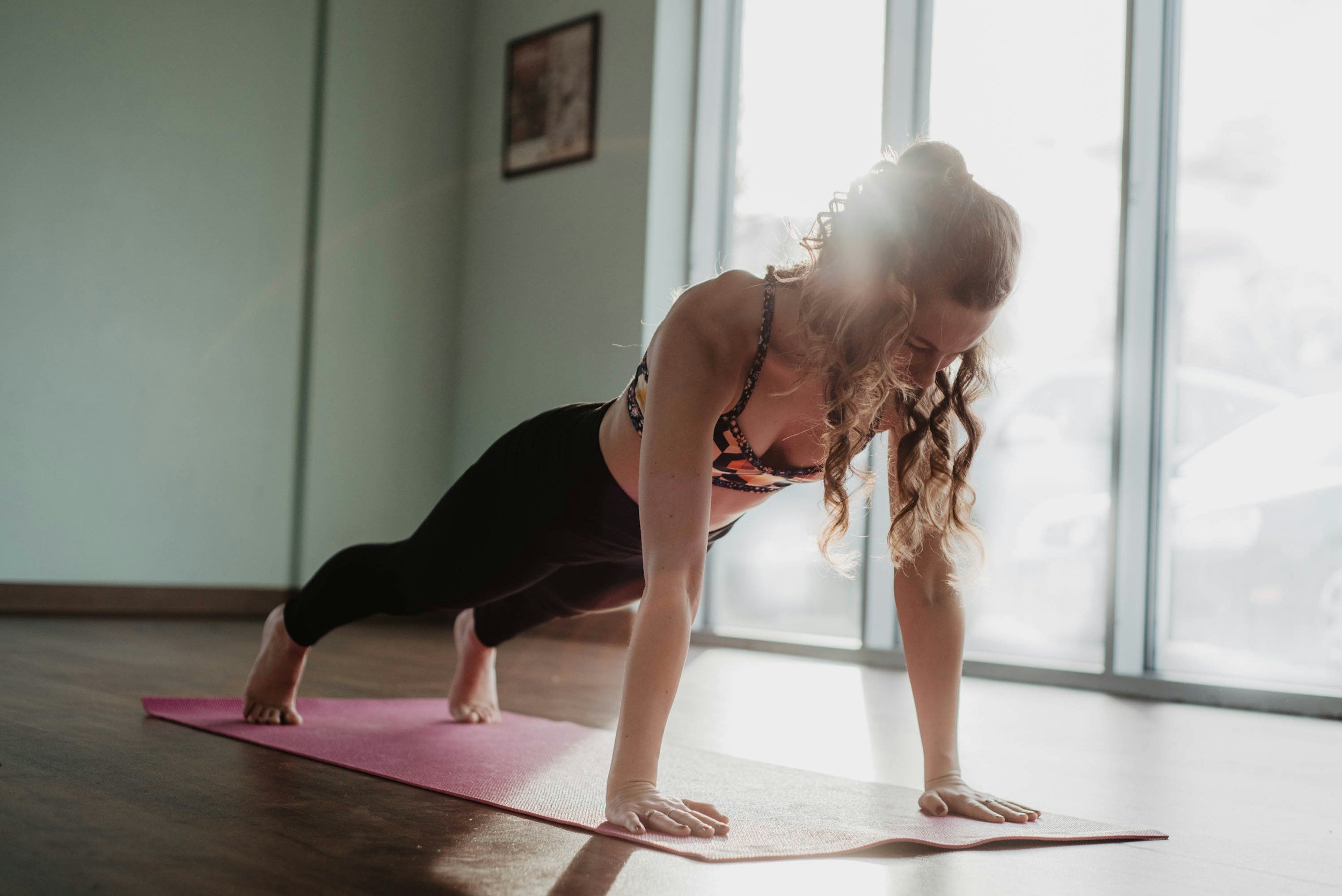
Unlock Maximum Power: The Core Stability Secrets of Elite Athletes
Core stability is the foundation of athletic performance. Elite athletes across all sports understand that a strong, stable core not only enhances power and speed but also reduces the risk of injury. Core muscles do more than support the spine; they link the upper and lower body, allowing efficient transfer of force during dynamic movements. Unlocking the secrets of core stability can help athletes reach peak performance and maintain long-term physical health.

The Neck Pain Trap: How Poor Pillow Choice Worsens Morning Stiffness
Neck pain is a common complaint for adults of all ages, and many people wake up with stiffness that lingers throughout the day. One of the often overlooked contributors to morning neck discomfort is pillow choice. Using the wrong pillow can misalign the cervical spine, place unnecessary stress on muscles, and exacerbate existing neck issues. Understanding how pillows affect spinal alignment and muscle support is essential for preventing pain and improving sleep quality.
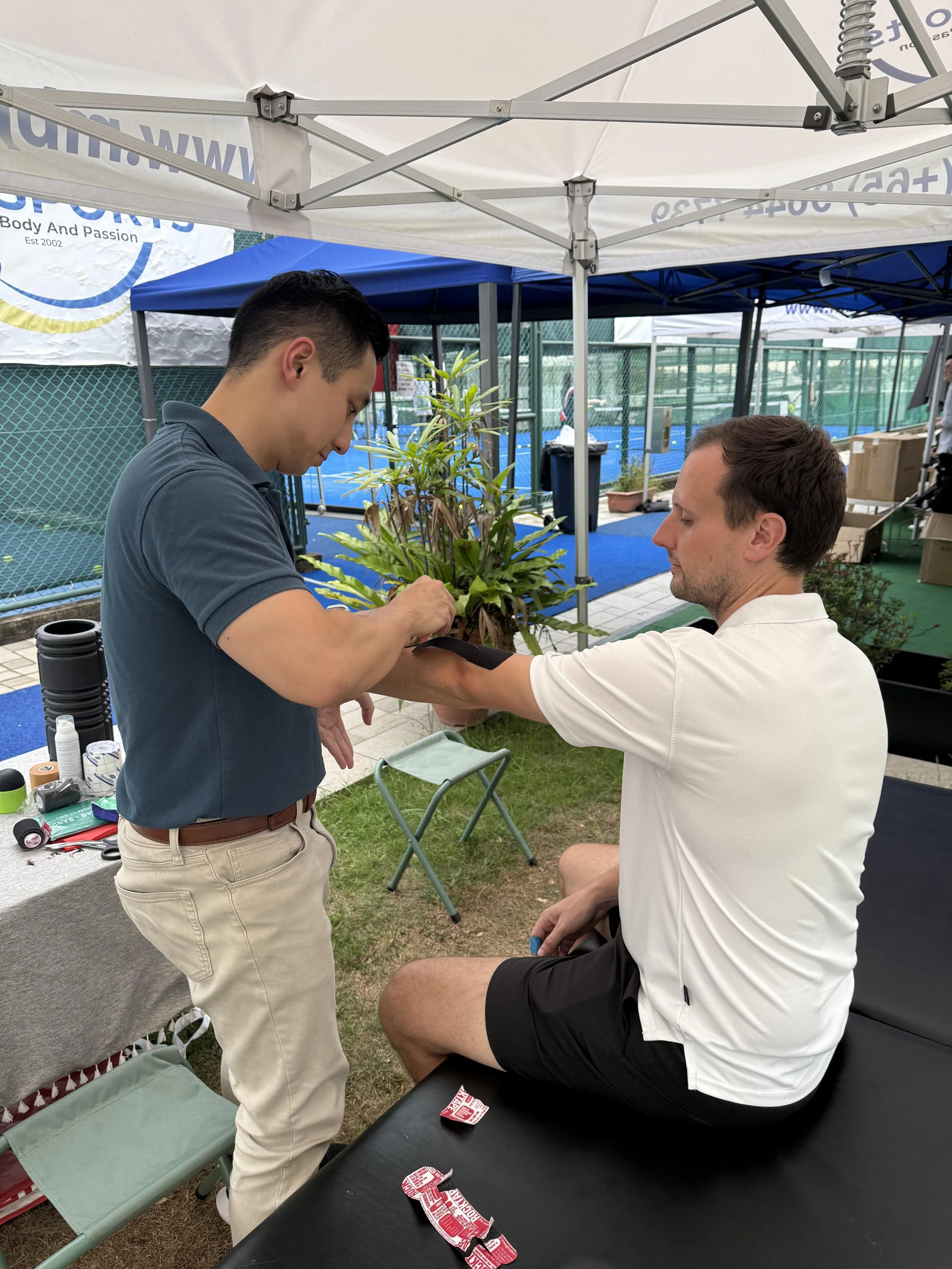
Pickleball & Physiotherapy: Ensuring Peak Performance and Injury Prevention on the Rise of the Fastest Growing Sport
The global phenomenon of pickleball, recently highlighted by the unmatched energy and competitive spirit at the Citibank Pickleball Event in Singapore's CBD, underscores the sport's rapid growth and the associated need for professional physical care; we were proud to collaborate with MBP Sports to provide dedicated onsite physiotherapist support, demonstrating the critical role of expert intervention in this exhilarating, fast-paced game.
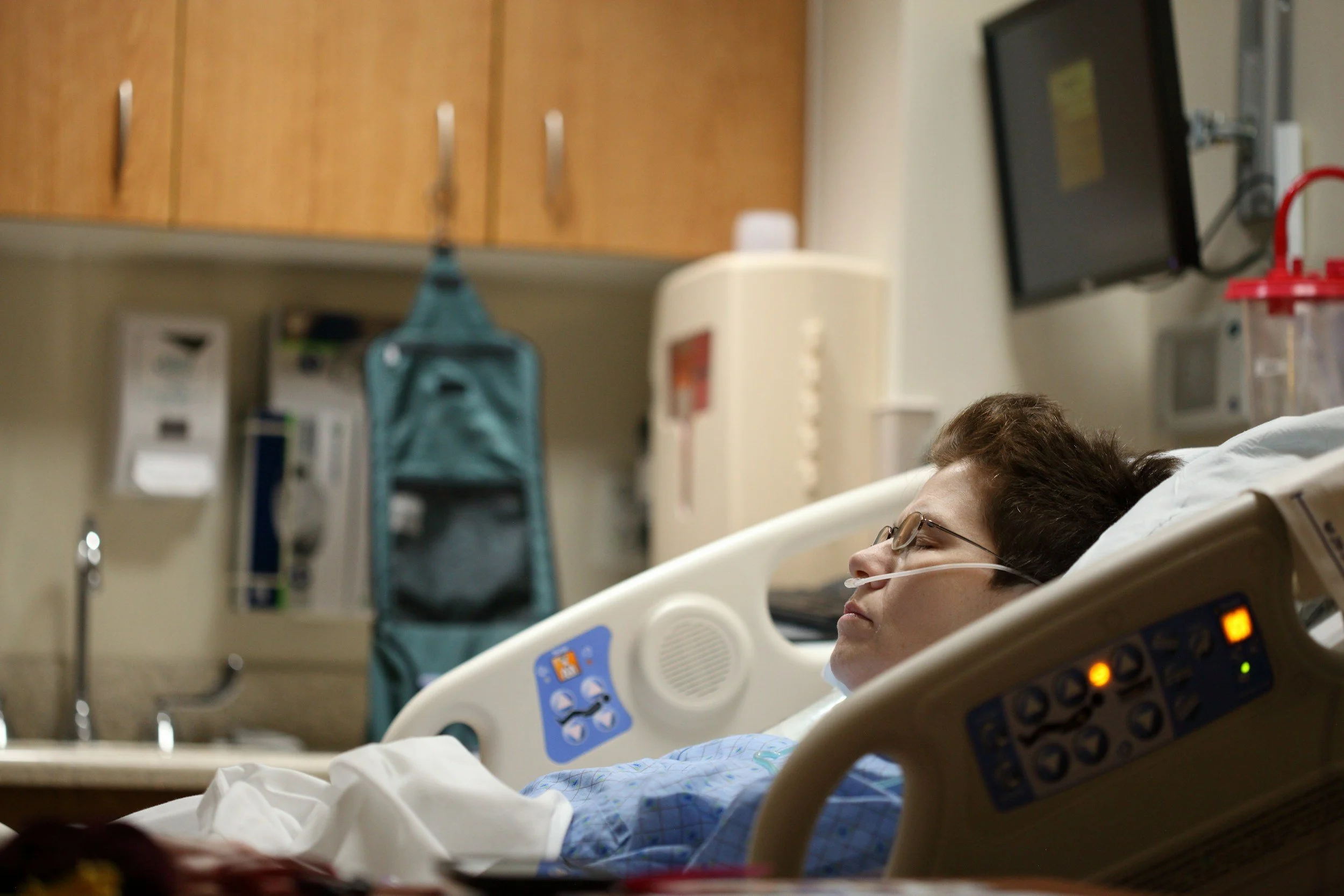
When to Start Physio: The Optimal Timing for Fastest Post-Surgical Recovery
Post-surgical recovery requires careful planning, and one of the most important factors is the timing of physiotherapy. Starting physiotherapy at the right time can significantly influence recovery speed, functional outcomes, and overall quality of life. Patients who understand when to begin physiotherapy are better equipped to regain mobility, strength, and independence after surgery

Unlock Your Spine's Potential: Physiotherapy & The Schroth Method for Scoliosis Treatment
Dealing with a scoliosis diagnosis can be overwhelming, but the good news is that you have highly effective, non-surgical scoliosis treatment options available. One of the most successful approaches is a specialized form of physiotherapy known as the Schroth Method. This evidence-based technique is designed to stop curve progression, improve posture, and alleviate pain, making it a cornerstone of conservative scoliosis management for both adolescents and adults.

Choosing Your Care: Physiotherapy, Manual Therapy, and Sports Therapy Explained
The landscape of physical rehabilitation can be confusing, especially when terms like physiotherapy, manual therapy, and sports therapy are used. While all three are dedicated to improving movement and reducing pain, they represent different levels of specialization, scope of practice, and core philosophies.

Conquer HYROX Singapore: Your Physio-Guided Blueprint for Peak Performance & Injury Prevention
The global fitness race phenomenon, HYROX, is taking Singapore by storm. Combining eight 1km runs with eight functional fitness stations (Sled Push/Pull, Burpees, Wall Balls, etc.), it's the ultimate test of hybrid endurance. But the unique demands of this race - repeatedly switching between running and heavy functional movements - place specific, intense stress on the body.

The Pre-Season Snow Sport Toolkit: Physiotherapy for Injury Prevention
Skiing and snowboarding are physically demanding sports, relying on rapid, sustained muscle contractions and constant balance adjustments. To ensure a safe, fun, and injury-free season, a targeted, pre-season conditioning program is essential.
This physiotherapy-focused guide presents the most critical exercises to build the strength, stability, and control required to conquer the slopes. Start this routine 4–6 weeks before your first mountain trip.

Travel Smarter, Not Harder: Your Physiotherapy Guide to Injury-Free Holidays
Planning your next getaway? Whether it's an adventurous traveling itinerary or a relaxing beach holiday, the physical demands of your trip - from long flights to new activities - can sometimes lead to unexpected aches and pains. This article will show you how integrating physiotherapy principles into your travel planning and daily vacation routine can ensure your holidays are memorable for all the right reasons.

Optimising Performance: Specialised Physiotherapy for Padel and Pickleball Athletes in Singapore
The athletic landscape of Singapore is rapidly embracing Padel and Pickleball. While these paddle sports offer fantastic fitness benefits, their unique demands - quick acceleration, sudden deceleration, and rotational force - create specific injury profiles that require expert management.

Unlocking Stiff Joints: The Power of Joint Mobilisation in Physiotherapy
Stiff joints can make everyday movements difficult and impact overall quality of life. Whether caused by ageing, injury, or chronic conditions such as arthritis, joint stiffness often limits mobility, increases discomfort, and reduces independence. Physiotherapy offers targeted solutions, and joint mobilisation is one of the most effective techniques for restoring movement, reducing pain, and improving function.

Runner's Knee vs. ITB Syndrome: Diagnosis and Performance Physio Fixes
Runners frequently experience knee pain, and two of the most common conditions are runner’s knee and iliotibial band (ITB) syndrome. While they may present with similar symptoms, the underlying causes, diagnosis, and physiotherapy interventions differ. Understanding these distinctions is essential for effective treatment and long-term injury prevention.
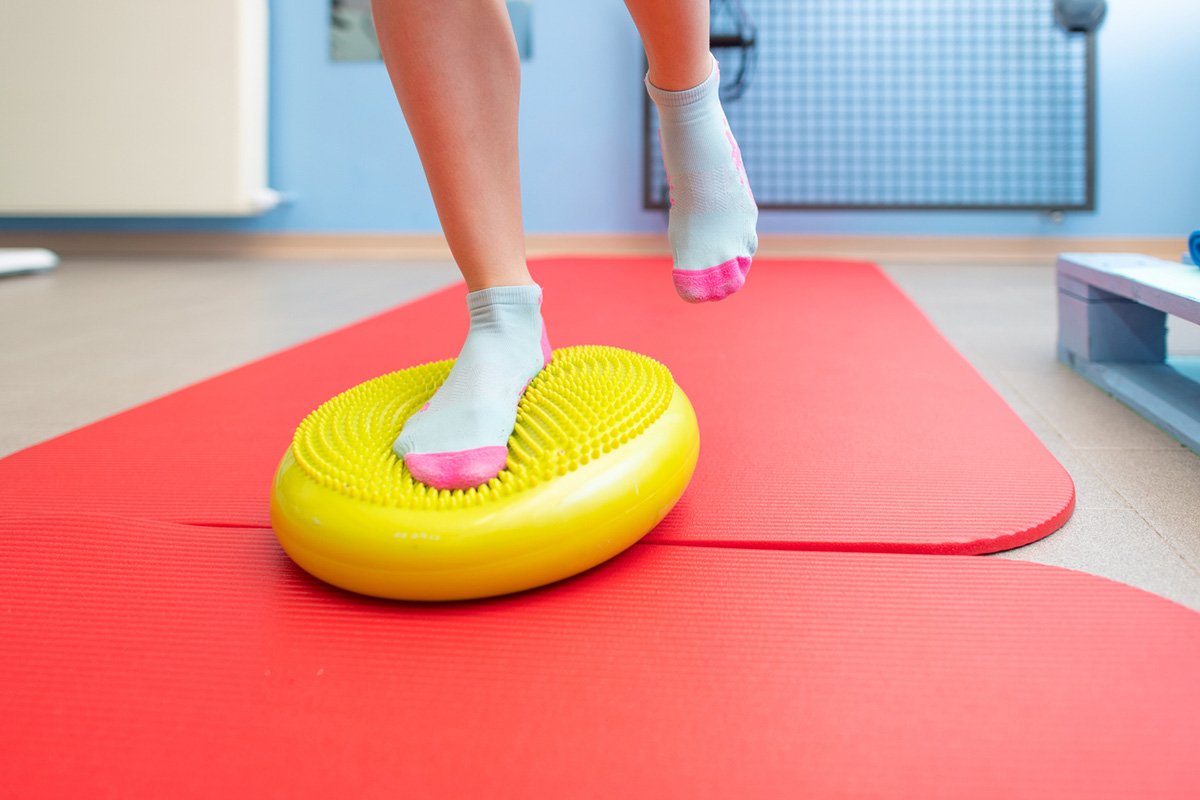
The Power of Proprioception: Fine-Tuning Your Body's Sixth Sense for Stability
When it comes to movement and balance, proprioception plays a vital role in keeping the body safe and coordinated. Often referred to as the body’s sixth sense, proprioception is the ability to sense the position, movement, and orientation of your limbs without relying on vision. This sense is crucial for stability, injury prevention, and overall physical performance. Understanding and training proprioception can enhance your balance, agility, and confidence in daily activities or athletic pursuits.

Why Pre-Season Physiotherapy is Essential for Snow Sports Athletes
If you love the thrill of carving down the mountain, you know that skiing and snowboarding demand strength, balance, and endurance. Whether you're a seasoned expert or a first-time rider, the repetitive stresses and high-impact risks associated with winter sports can lead to injuries. This is where physiotherapy becomes your secret weapon, offering targeted preparation and expert rehabilitation to keep you on the slopes all season long.
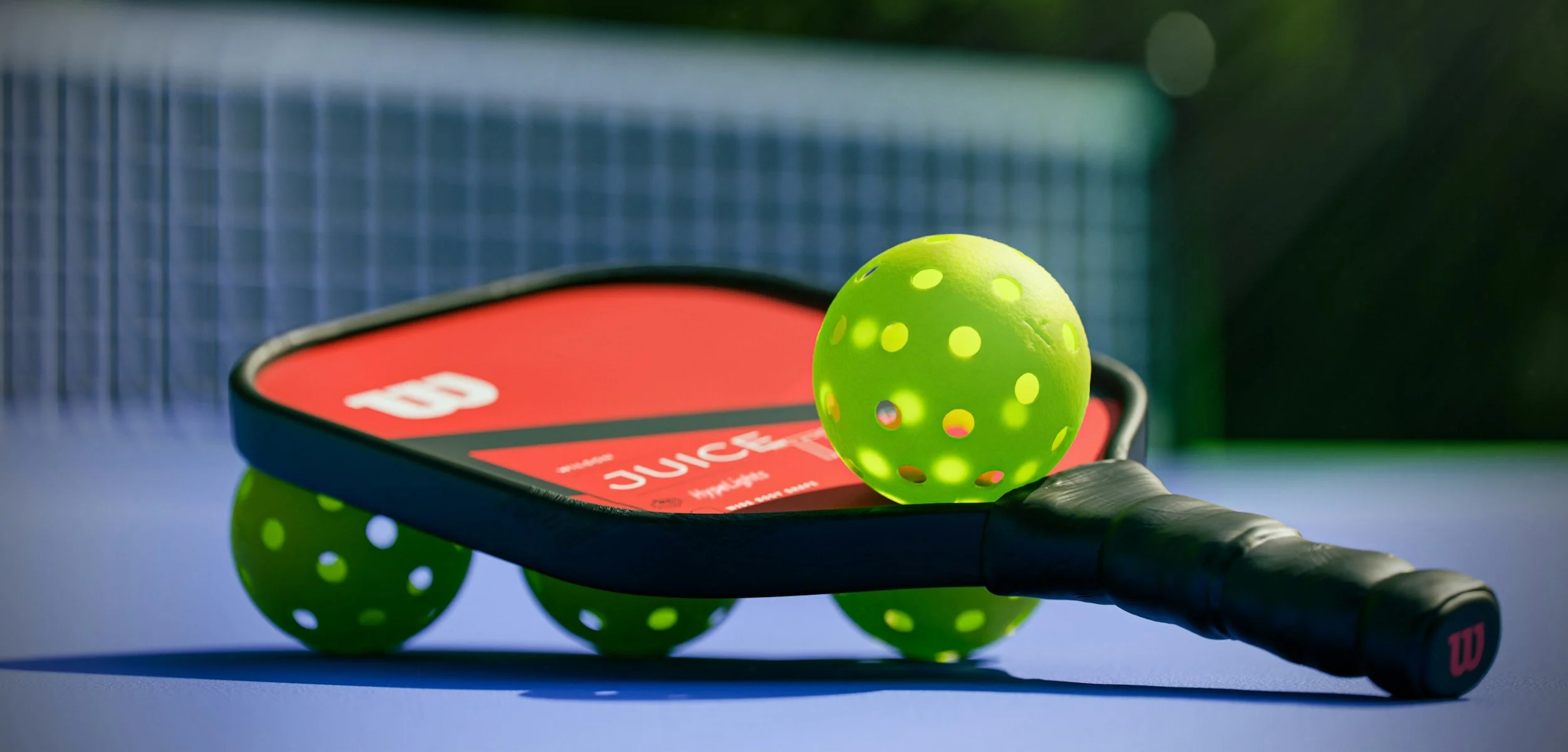
Stay on the Court: The Ultimate Guide to Physiotherapy for Padel and Pickleball
Padel and pickleball are two of the fastest-growing sports globally, offering a fun, social, and fast-paced way to stay active. However, the repetitive motions, quick lateral sprints, and sudden changes in direction inherent to these paddle sports place unique stresses on the body.

Stop the Creak: Targeted Physio Exercises for Arthritis Pain Relief
Arthritis affects millions of people worldwide and can significantly reduce mobility, independence, and quality of life. Joint pain, stiffness, and inflammation make everyday tasks challenging, but physiotherapy offers effective strategies to relieve discomfort and improve function. Targeted exercises prescribed by physiotherapists can help manage arthritis symptoms, maintain joint health, and prevent further deterioration.
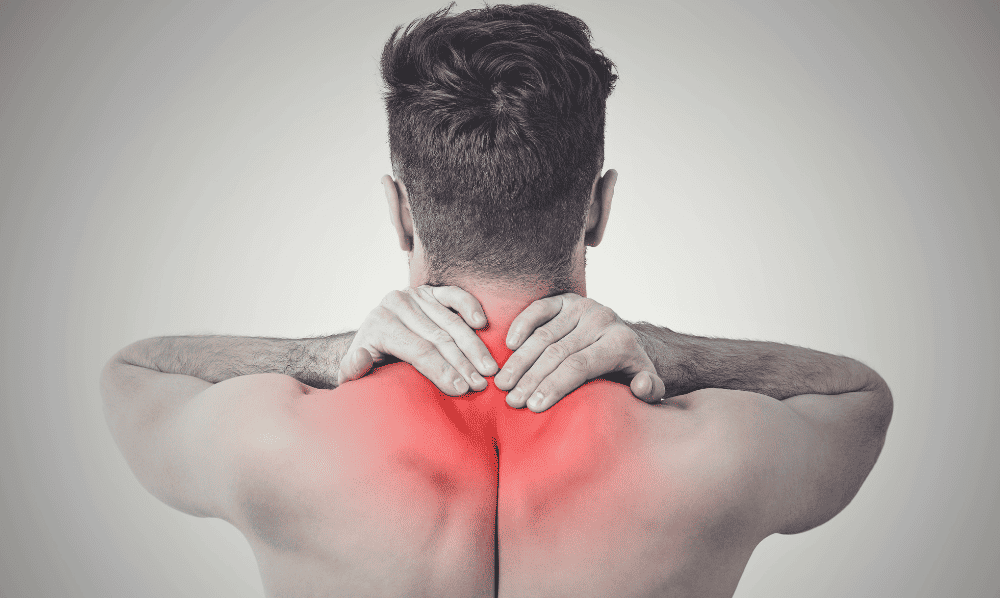
Fibromyalgia and Physio: Custom Strategies for Managing Widespread Chronic Pain
Fibromyalgia is a chronic condition characterized by widespread pain, fatigue, and heightened sensitivity to pressure. Millions of adults worldwide are affected by this condition, which can significantly disrupt daily life and reduce overall quality of life. While there is no cure for fibromyalgia, physiotherapy offers effective strategies to manage symptoms, improve mobility, and enhance physical and emotional well-being.
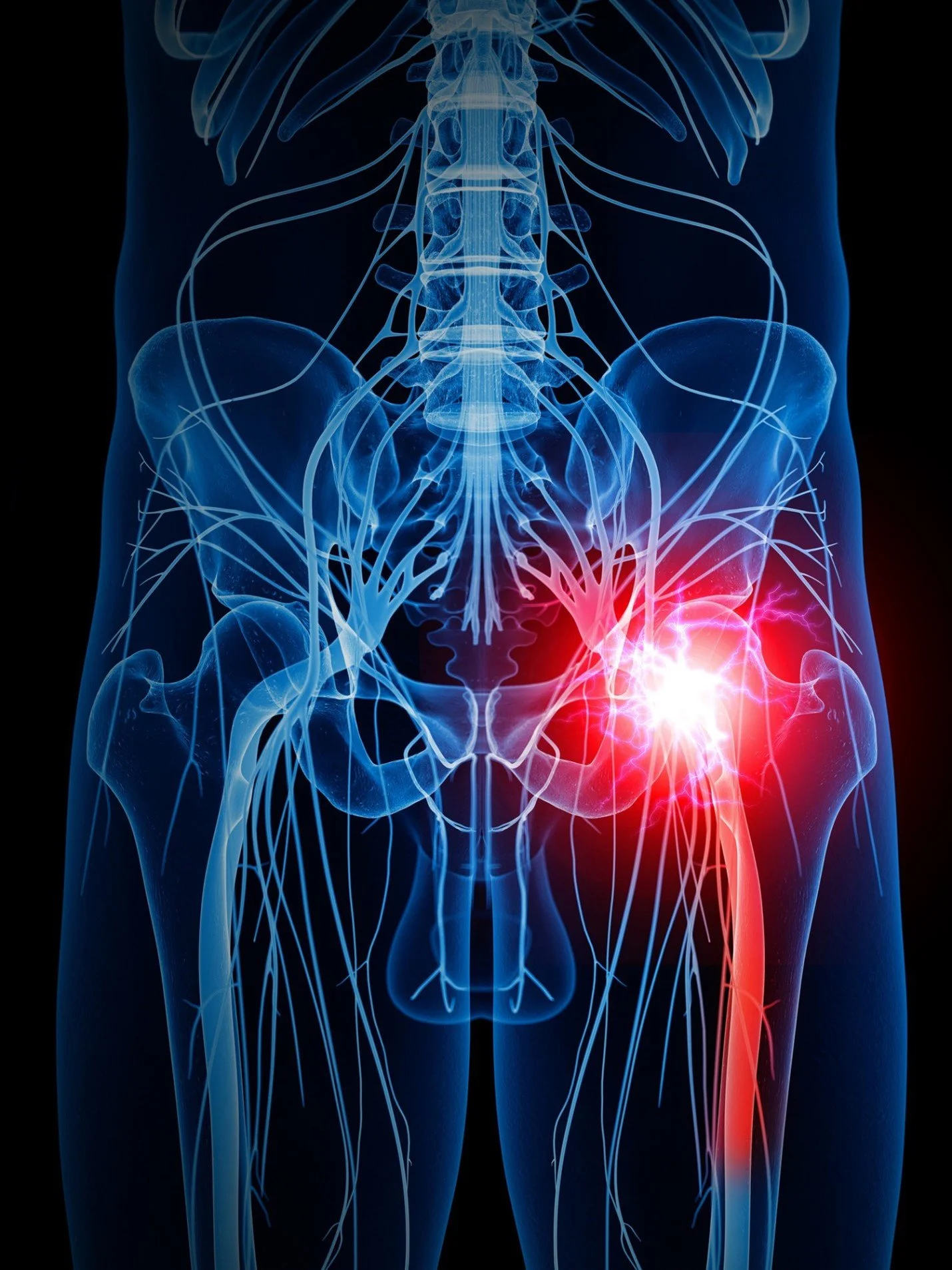
Sciatica SOS: Targeted Exercises for Herniated Disc Relief (Ages 20-40 Focus)
Sciatica caused by a herniated disc can significantly impact daily life, especially for adults between 20 and 40 years old who balance work, fitness, and social responsibilities. Pain, numbness, or tingling in the lower back, buttocks, or legs can make simple movements challenging. While medical intervention may be necessary in severe cases, targeted exercises guided by physiotherapy can help relieve symptoms, improve mobility, and prevent further injury.
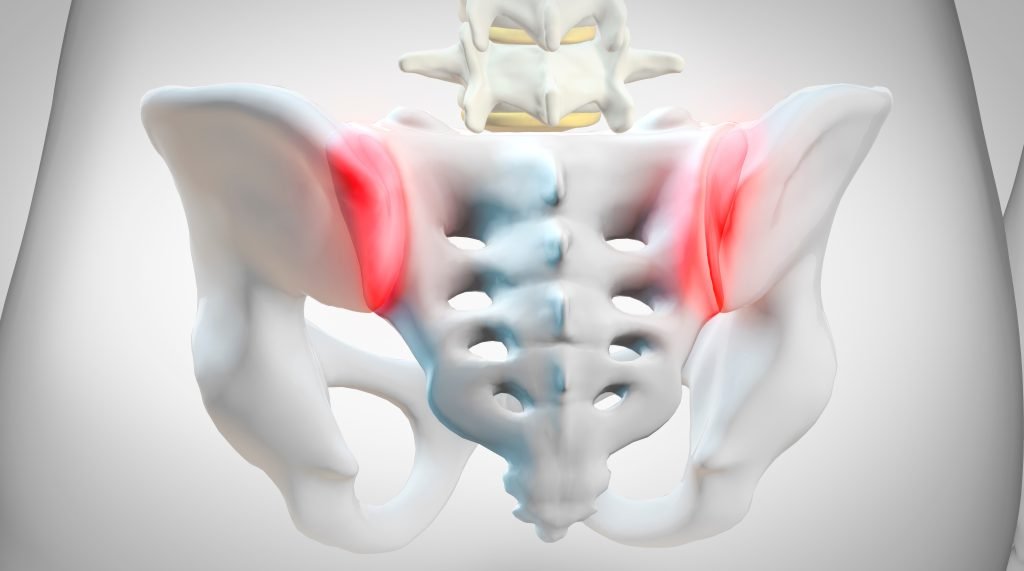
The Silent Epidemic: Understanding and Treating Sacroiliac Joint (SIJ) Dysfunction
Sacroiliac joint dysfunction, commonly referred to as SIJ dysfunction, is a frequent yet often overlooked cause of lower back and pelvic pain. The sacroiliac joints connect the sacrum at the base of the spine to the pelvis, providing stability while allowing limited movement. When these joints become inflamed or misaligned, pain can develop in the lower back, buttocks, hips, or even radiate down the legs. Understanding SIJ dysfunction is essential for proper diagnosis, treatment, and long-term spinal health.

Decoding Your Chronic Back Pain: Is It the Disc, the Nerve, or the Muscle?
Chronic back pain is a common concern that affects millions of adults worldwide. Understanding the source of pain is crucial for effective treatment and recovery. Back pain can originate from the intervertebral discs, nerves, or muscles, and each type requires a different approach. Identifying whether your discomfort comes from a disc, a nerve, or a muscle can guide appropriate interventions and improve long-term spinal health.