
Herniated Disc vs Muscle Strain: How to Tell What’s Causing Your Back Pain
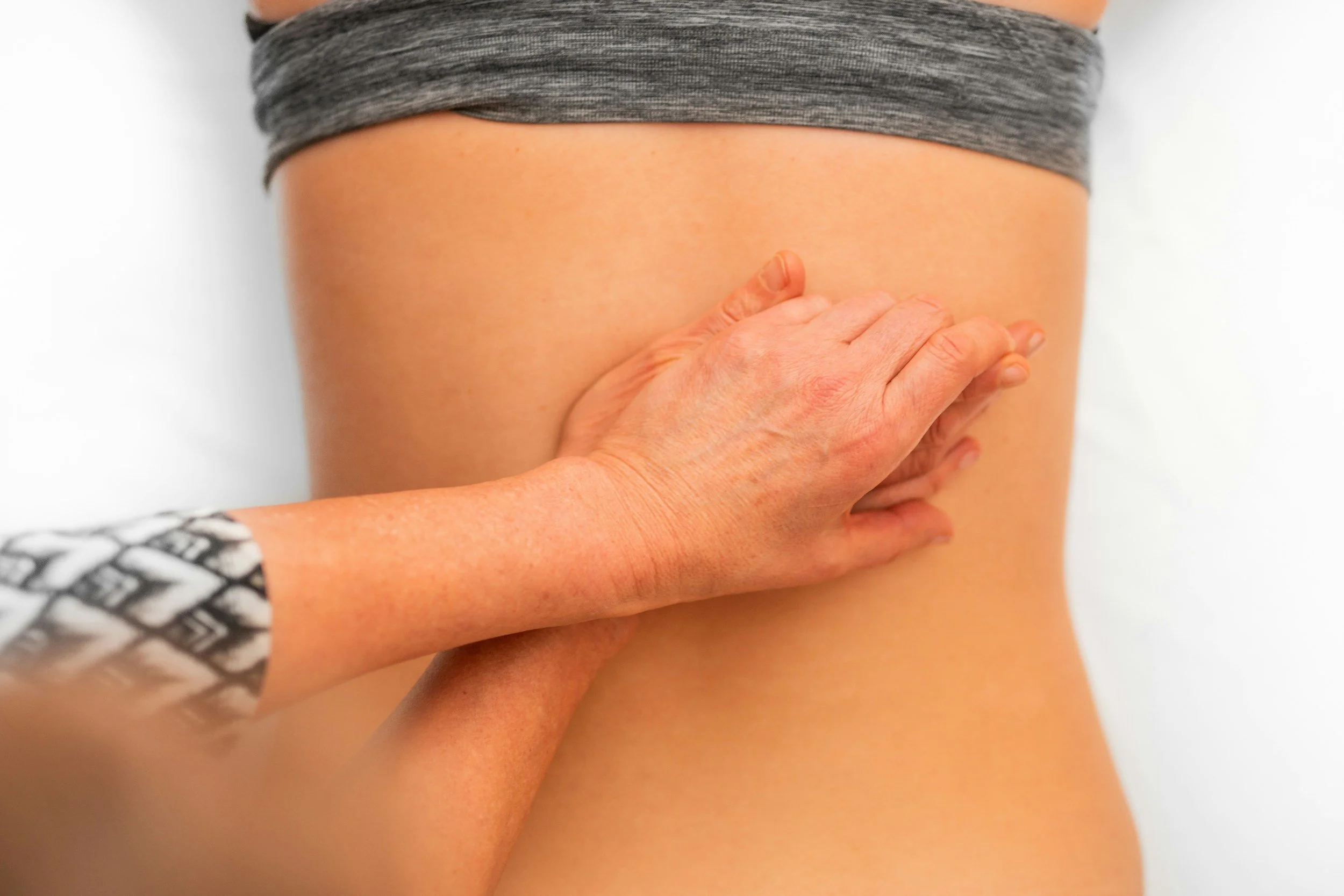
Not all back pain comes from the same structure. A muscle strain and a disc-related problem can feel very different — and they may need different rehabilitation approaches.
Muscle strain
A muscle strain often causes:
Localised aching or tenderness
Pain when contracting or stretching the muscle
Pain that stays relatively close to the lower back
Symptoms that improve as the muscle recovers
For example, you may notice pain after lifting something heavy, suddenly twisting or doing more exercise than usual.
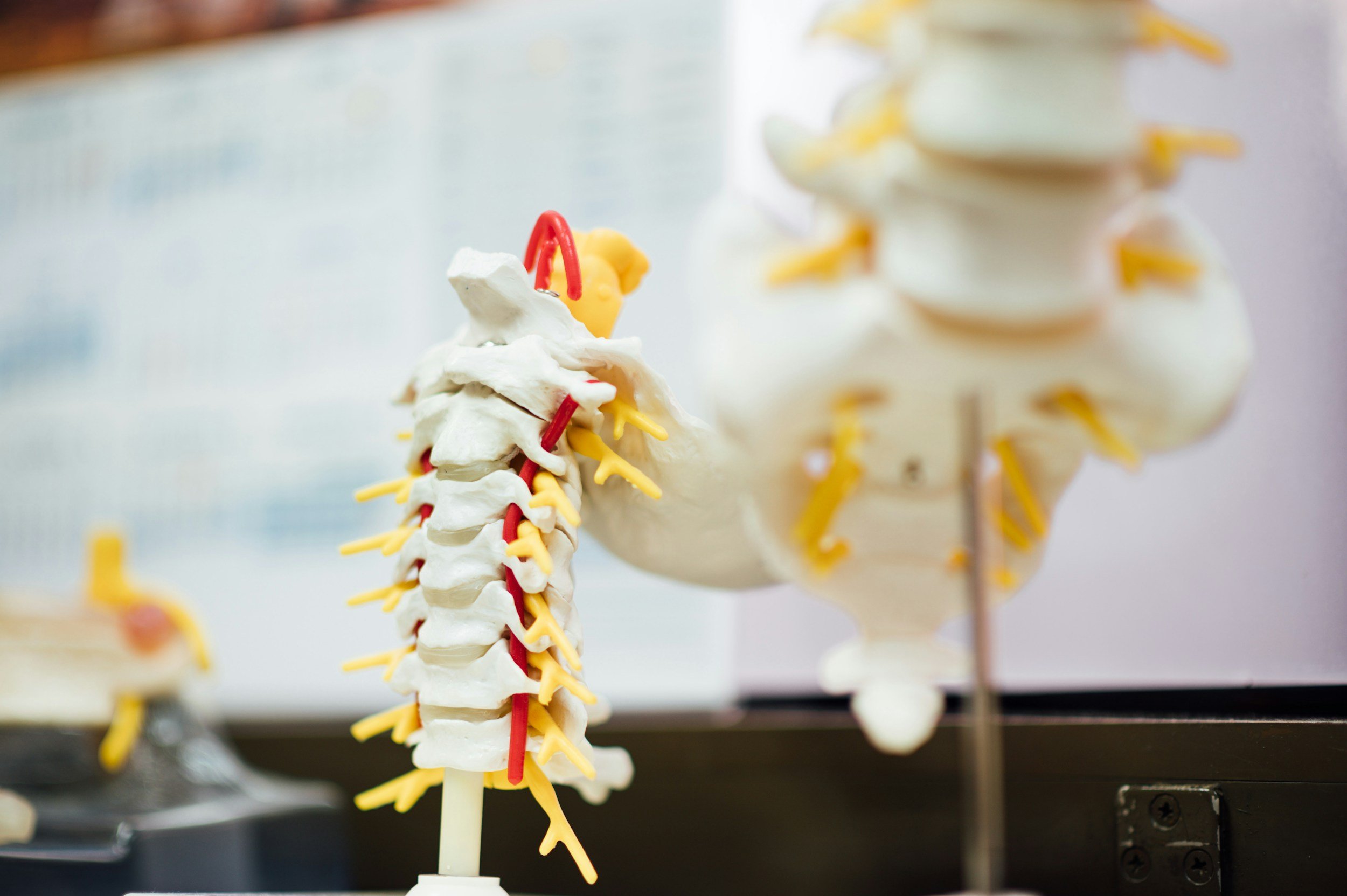
Disc-related pain
A disc problem can sometimes irritate a nerve.
You may experience:
Pain travelling into the buttock or leg
Tingling or numbness
Changes in strength
Symptoms affected by certain positions or movements
But there is an important catch:
You cannot reliably diagnose a disc problem simply by looking at where your pain is.
Disc changes are also common on scans in people who have no pain. This is why a good physiotherapy assessment looks at your symptoms, movement, strength, sensation and functional limitations rather than relying on an MRI report alone.
What does physiotherapy involve?
Treatment depends on the presentation.
It may include:
Education → movement → strength → return to normal activity
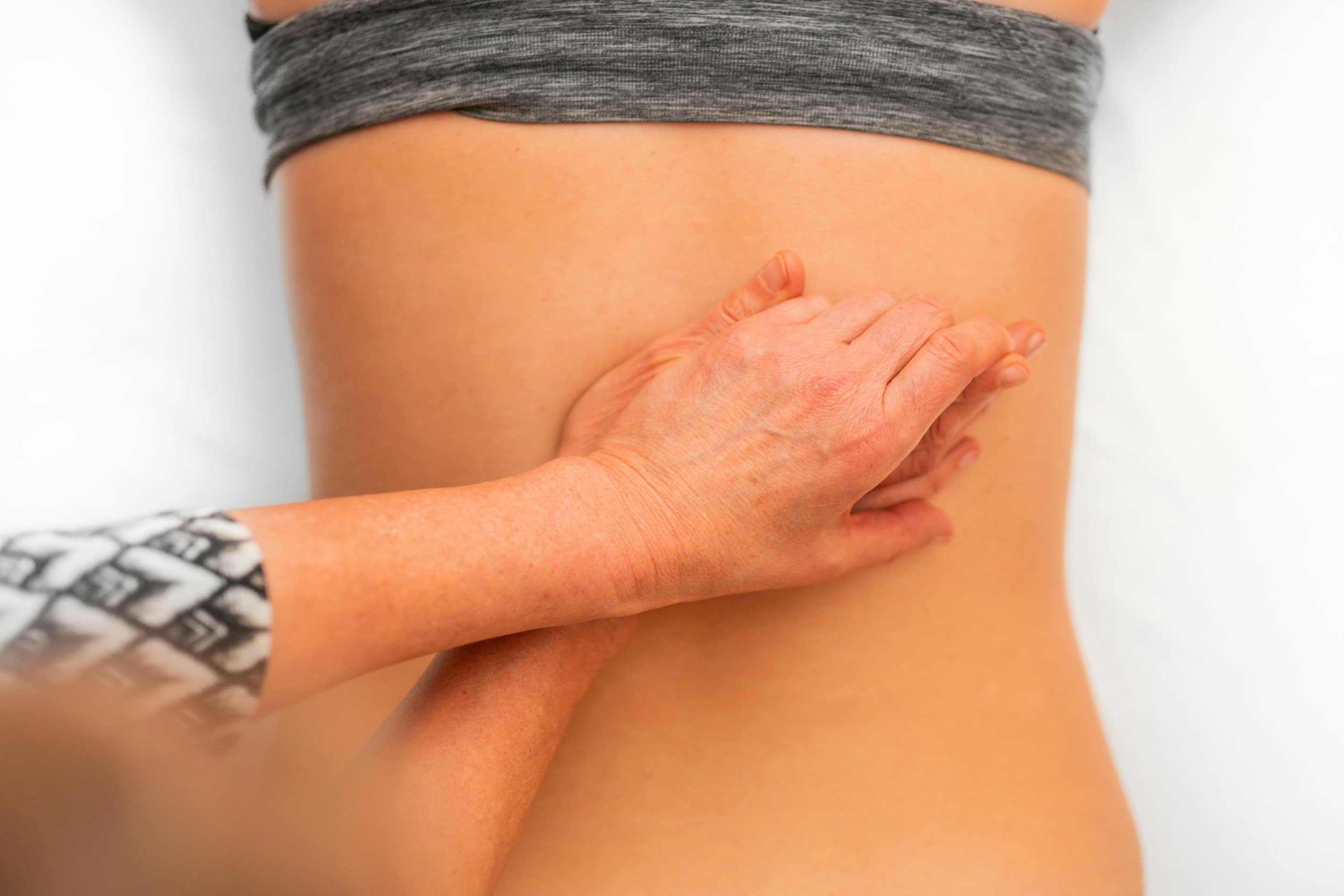
Manual therapy can sometimes help reduce pain and improve movement in the short term. Exercise is then used to restore strength, confidence and function.
For persistent low back pain, current guidelines support exercise and education, with manual therapy used as part of a broader treatment programme rather than as a stand-alone treatment.
When should you seek medical attention?
Seek urgent medical assessment if severe back pain is accompanied by new bladder or bowel problems, numbness around the groin/saddle area, or significant new weakness. These can be signs of serious nerve compression.
The bottom line: back pain does not always need a scan to be properly assessed. A thorough clinical assessment is often the best place to start.