
The Ultimate Guide to Treating Tennis Elbow (Lateral Epicondylitis) Without Injections

Tennis elbow can be painful, frustrating, and surprisingly persistent. But the good news? You don't necessarily need injections or surgery to get better.
Despite its name, tennis elbow isn't just a tennis player's problem. It can affect anyone who repeatedly uses their wrist and forearm from gym-goers and office workers to tradespeople and racquet-sport players.
So, what actually works? Here's what you need to know about tennis elbow treatment and how physiotherapy can help you get back to doing the things you enjoy.
What is tennis elbow?
Tennis elbow, medically known as lateral epicondylalgia, is pain around the outside of the elbow, usually associated with overloading the tendons that attach the forearm muscles to the elbow.
Common symptoms include:
● Pain on the outside of the elbow
● Pain when gripping or lifting objects
● Discomfort when using a mouse or keyboard for long periods
● Pain when playing racquet sports or going to the gym
● Reduced grip strength
Why does tennis elbow happen?
Tennis elbow often develops when the tendon is exposed to more load than it is currently able to tolerate. This can happen after suddenly increasing your gym training, taking up a new sport, doing repetitive manual work, or simply spending long periods performing repetitive wrist and hand movements.
The key isn't always to completely stop using your arm. Instead, treatment focuses on gradually improving the tendon and surrounding muscles' ability to handle load.
What does tennis elbow treatment involve?
1. Reduce aggravating activities (temporarily)
If a particular movement consistently makes your pain worse, it may be worth modifying it rather than pushing through it repeatedly. This doesn't necessarily mean complete rest.
Your physiotherapist can help you identify which activities are aggravating your symptoms and how to modify them while keeping you active.
2. Progressive strengthening
Exercise is crucial! Strengthening the wrist, forearm and grip muscles can gradually improve the capacity of the affected area. The exercises should be progressed gradually according to your symptoms and ability.
Your programme may include exercises such as:
● Wrist extension strengthening
● Isometric exercises
● Eccentric or controlled resistance exercises
● Grip strengthening
● Progressive functional loading
3. Manual therapy
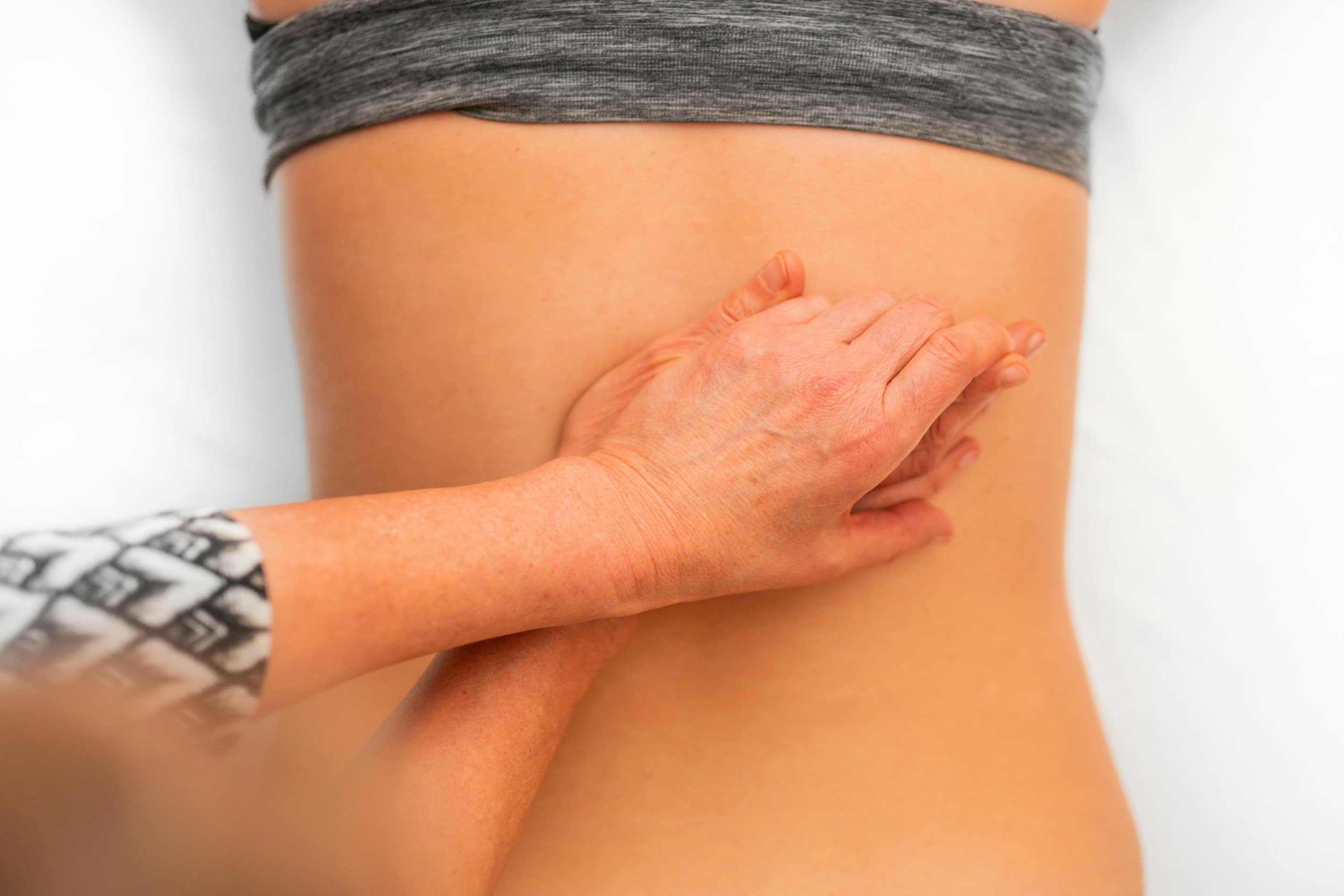
Hands-on treatment may be used alongside exercise to help reduce pain and improve movement. Depending on your assessment, this may include soft-tissue techniques or joint mobilisation around the elbow, wrist and forearm.
Manual therapy is generally most useful when it supports your overall rehabilitation programme rather than being the only treatment.
4. Address the bigger picture
Your elbow doesn't work in isolation. Your physiotherapist may also assess your wrist, shoulder, neck, posture, work setup and sporting technique to identify factors that could be contributing to your symptoms.
For example, changing how you grip a racquet, adjusting your workstation or modifying your gym technique may reduce unnecessary stress on the elbow.
Do you need an injection?
Not necessarily.Injections may be considered in some cases, but they aren't the only treatment option. For many people, a structured physiotherapy programme involving education, activity modification and progressive strengthening can be an effective approach.
The right treatment depends on your individual symptoms and assessment.
When should you see a physiotherapist?
If your elbow pain is affecting your work, exercise, sleep or everyday activities, or if it isn't improving despite modifying your activities, it may be time to get assessed.
A physiotherapist can determine whether your symptoms are consistent with tennis elbow and develop a treatment plan based on your specific needs.
Looking for tennis elbow treatment in Singapore?
At Pro Health Asia Singapore, our physiotherapists can assess your elbow pain, identify contributing factors and guide you through a personalised rehabilitation programme, helping you build strength and gradually return to the activities that matter to you.