
Sports Massage vs. Deep Tissue Massage in Singapore: Which Do You Need?
Whether you are clocking long training mileage around East Coast Park, preparing for a HYROX event at Expo, or grinding through 10-hour workdays in Raffles Place, soft tissue tension is an unavoidable part of active living in Singapore.
When muscle stiffness sets in, many turn to soft tissue therapy for relief. However, choosing between a Sports Massage and a Deep Tissue Massage often leads to confusion. While both techniques target deeper layers of muscle tissue, their goals, techniques, and underlying clinical applications are distinct.
1. Deep Tissue Massage: Stress Relief & Generalised Tension
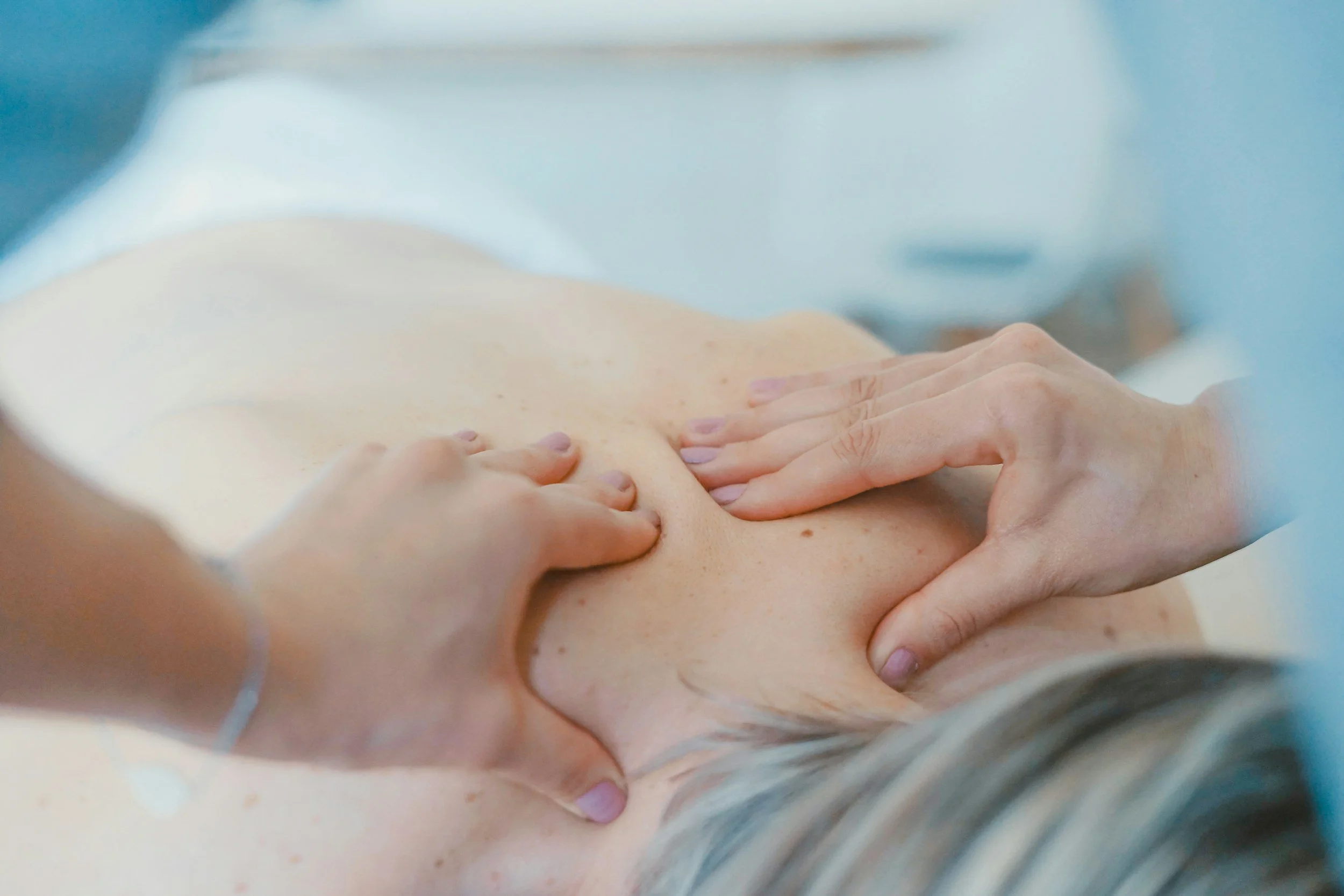
A deep tissue massage focuses on releasing chronic muscle tightness, structural misalignment, and tension knots built up over long periods.
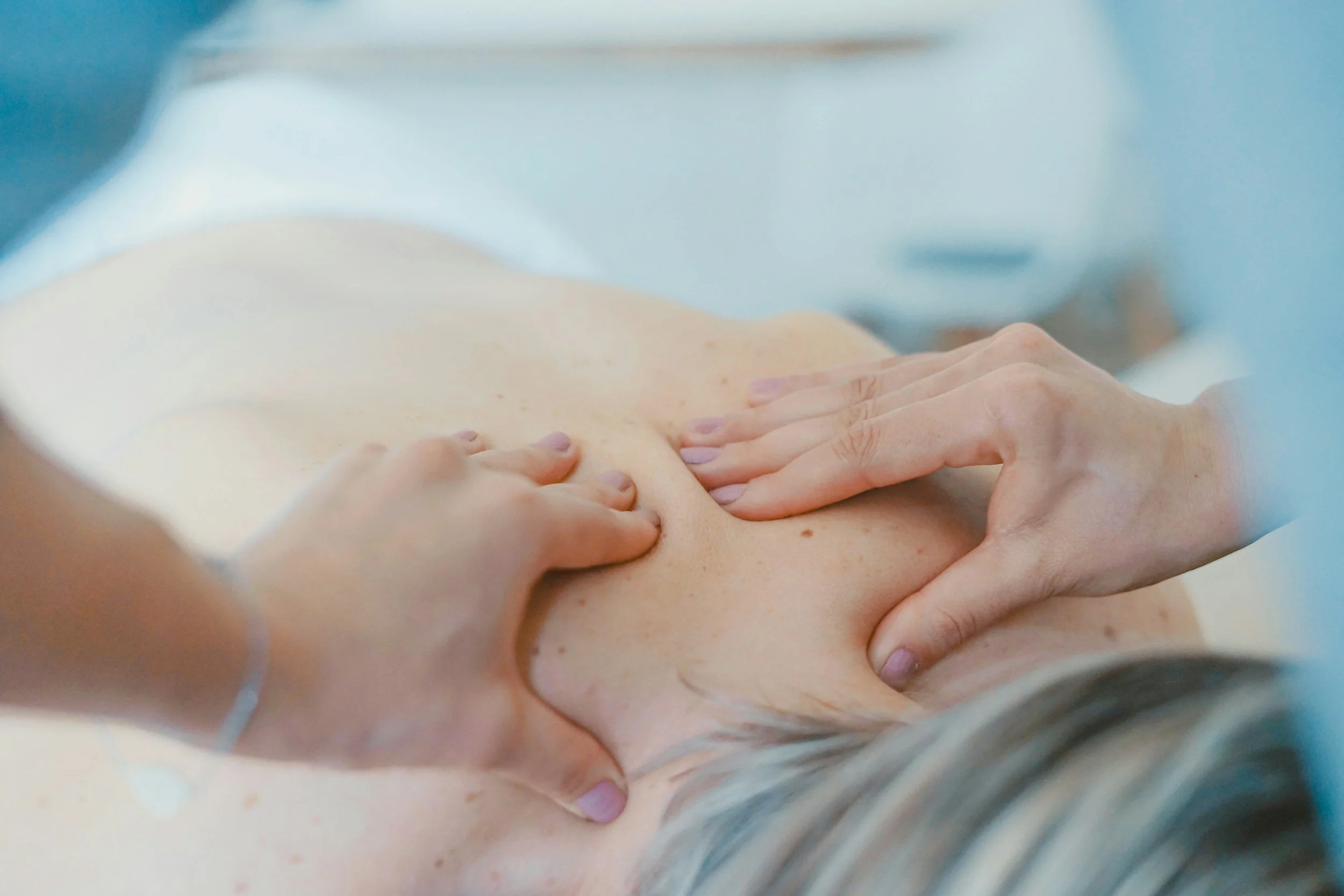
How It Works: Therapists use slow, deliberate strokes and sustained deep finger pressure across the grain of muscle fibers and fascia.
Primary Goal: Relaxation, pain relief, and breaking down long-term postural tension (such as tight upper traps from prolonged desk work).
Best For: Corporate executives, desk workers, and anyone experiencing generalised stress, posture-related back tightness, or tension headaches.
2. Sports Massage: Performance, Recovery & Injury Prevention
A sports massage is a targeted, functional treatment designed around an individual’s athletic demands, movement patterns, or sports-specific training cycle.
How It Works: Rather than following a general full-body routine, a trained sports physiotherapist or therapist assesses specific joint restriction and muscle length. Techniques combine deep tissue compression with active/passive stretching, trigger point therapy, and myofascial release.
Primary Goal: Improving joint range of motion, reducing localised muscle soreness (DOMS), accelerating muscle recovery, and optimising biomechanical efficiency.
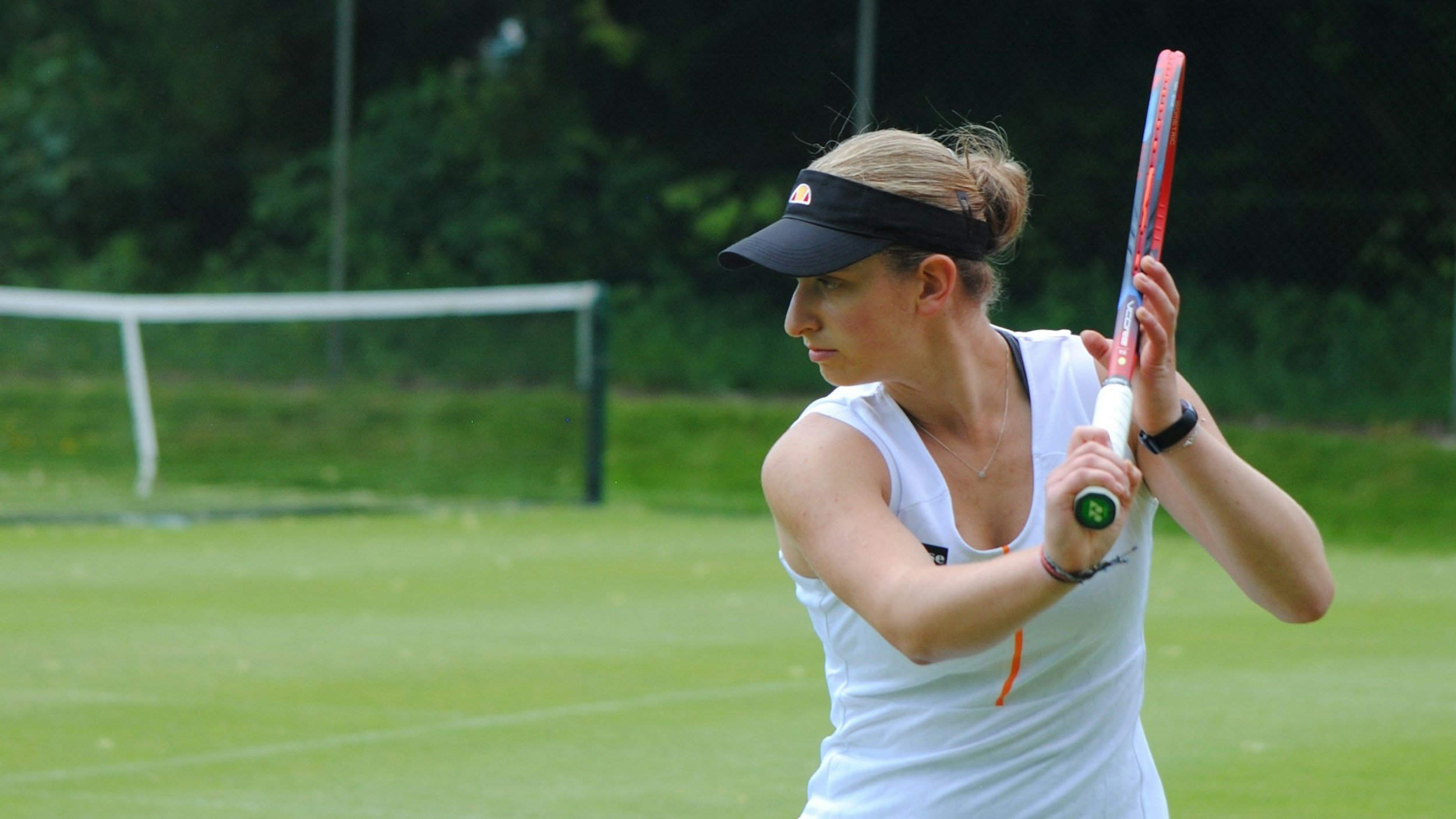
Best For: Marathon runners, racquet sport players, combat athletes, and functional fitness competitors looking to enhance performance or manage specific athletic strain.
Key Differences at a Glance
Primary Focus
Deep Tissue Massage: Focuses on overall stress relief and addressing generalised postural tension.
Sports Massage: Targets athletic performance, functional recovery, and specialised tissue loading.
Assessment Approach
Deep Tissue Massage: Uses a general consultation to identify areas of muscular tension.
Sports Massage: Involves a movement-based evaluation, range-of-motion testing, and an assessment aligned with your specific training phase.
Technique Mix
Deep Tissue Massage: Employs firm gliding strokes, cross-fiber friction, and sustained deep pressure.
Sports Massage: Combines deep pressure with active or passive stretching, trigger point therapy, and joint mobilisation.
Timing & Application
Deep Tissue Massage: Can be scheduled at any time for general relaxation, wellness, or stress maintenance.
Sports Massage: Tailored specifically to your athletic training cycle, whether pre-event, post-event, or during a routine maintenance phase.
Matching the Treatment to Your Training Cycle in Singapore
In Singapore’s warm, humid climate, rapid physical exertion accelerates muscle fatigue. If you are an active individual, timing your sports massage around your workout calendar is key:
Pre-Event (24–48 hours before): Fast-paced, superficial strokes to stimulate blood circulation and prime muscles without causing soreness.
Post-Event (Within 24–72 hours after): Gentle flushing strokes and light lymphatic drainage to reduce post-race inflammation and ease delayed-onset muscle soreness (DOMS).
Maintenance Phase (During regular training): Deep, focused work to resolve scar tissue, improve flexibility, and fix biomechanical imbalances before they turn into overuse injuries like Achilles tendinopathy or runner’s knee.
When to See a Physiotherapist Instead
While both massage styles provide excellent recovery support, persistent sharp pain, swelling, or numbness down a limb indicates structural damage rather than simple muscle fatigue.
At Prohealth Asia (operating at In Touch Physio in Raffles Place), our team integrates targeted soft tissue therapy into comprehensive clinical rehabilitation plans. If your tightness stems from an underlying joint or tendon condition, a professional assessment ensures you receive the exact balance of manual therapy and exercise rehabilitation required for lasting relief.