
Pregnancy Back Pain and Humidity: How Clinical Pilates Keeps Expectant Mothers Mobile in Singapore
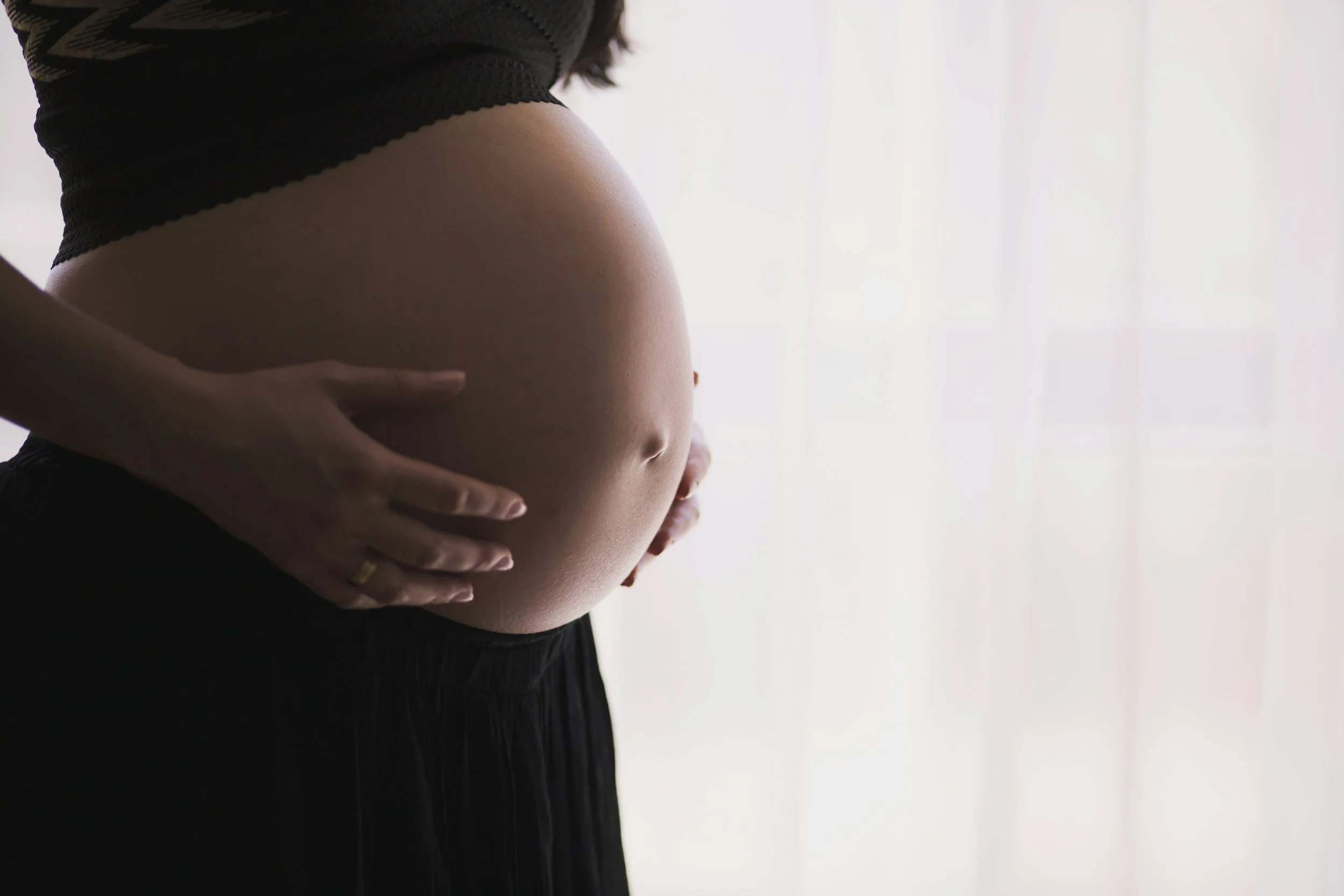
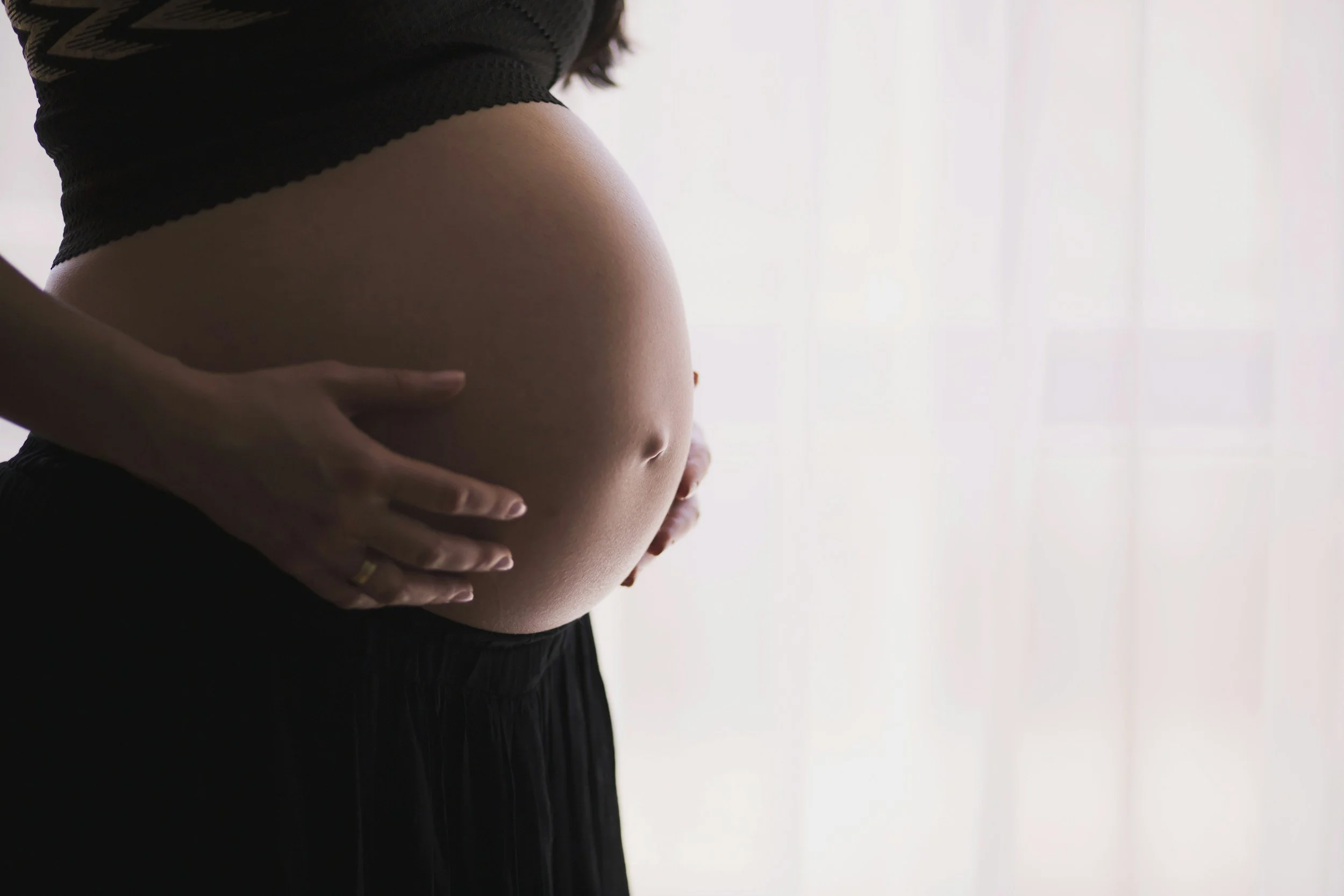
Navigating pregnancy in Singapore comes with a unique set of physical challenges. As your baby grows, hormonal shifts relax your ligaments, altering your posture and shifting your center of gravity forward. When combined with Singapore’s year-round heat and high humidity, even brief walks outdoors can cause rapid fatigue, exacerbating lower back strain and Pelvic Girdle Pain (PGP).
Rather than enduring months of discomfort or relying on passive rest, expectant mothers can maintain mobility, strength, and comfort throughout pregnancy through Clinical Pilates.
Understanding Pelvic Girdle Pain & Pregnancy Back Strain
During pregnancy, the hormone relaxin increases joint laxity to prepare the pelvis for delivery. While essential, this ligamentous softening often leads to asymmetrical joint movement around the pubic symphysis and sacroiliac (SI) joints at the back of the pelvis.
In Singapore's warm climate, heat-induced swelling (edema) and muscle fatigue make it harder for postural muscles to stabilize the spine and pelvis. This typically manifests as:
Stabbing SI Joint Pain: Sharp aching on one side of the lower back or glute during walking, stepping out of a car, or turning in bed.
Pubic Symphysis Discomfort: Tenderness at the front of the pelvic bone, often aggravated by single-leg movements or climbing stairs.
Lumbar Hyperlordosis: An exaggerated lower back curve caused by the forward pull of the growing bump, leading to chronic muscle tightness in the lower back.
Why Clinical Pilates on the Reformer Works
Unlike general prenatal floor exercises, Clinical Pilates is prescribed and supervised by a physiotherapist, utilizing specialized Reformer equipment. The spring resistance of the Reformer provides controlled support, relieving joint compression while strengthening deep stabilizing muscles.
Key benefits for pregnant mothers in Singapore include:
Targeted Pelvic Floor & Transversus Abdominis Engagement: Clinical Pilates teaches co-contraction of the deep core and pelvic floor muscles, providing a natural internal corset to support the growing belly.
Decompressing the Spine in Cool Comfort: Exercises can be modified to side-lying or seated positions on the Reformer, allowing pregnant mothers to build strength safely in a climate-controlled clinic setting without overheating.
Symmetrical Pelvic Alignment: Tailored Reformer spring tension helps balance the gluteal and hip abductor muscles, stabilizing the SI joints and reducing PGP flare-ups during daily walking.
Safe Movement Principles for Expectant Mothers
If you are experiencing pregnancy-related back or pelvic pain, keep these core principles in mind:
Keep Legs Parallel: Avoid wide asymmetrical strides or prolonged standing on one leg. Sit down when getting dressed or putting on shoes.
Exhale on Exertion: Avoid holding your breath (Valsalva maneuver) during movement; gently exhale and lift the pelvic floor as you change positions.
Seek Individualized Assessment: Every pregnancy is unique. A clinical evaluation ensures exercises are adapted to your trimester, posture, and specific symptom presentation.
Stay Active & Comfortable with Prohealth Asia in Singapore
Pregnancy back pain and pelvic stiffness do not have to disrupt your daily routine or working life in Singapore.
At Prohealth Asia (located at In Touch Physio in Raffles Place), our women's health and prenatal physiotherapy team provides comprehensive pelvic assessments and 1-on-1 Clinical Pilates sessions. Book an evaluation today to stay mobile, strong, and comfortable throughout your pregnancy journey.