
Spinal Decompression & Manual Therapy: Non-Surgical Options for Chronic Back Pain
“My disc is compressed. I need to decompress it.”
This is something physiotherapists hear regularly.
The reality is a little more complicated.
What does “spinal decompression” actually mean?
The term is used to describe several different treatments, including:
Manual spinal mobilisation
Manipulation
Traction
Specific movement exercises
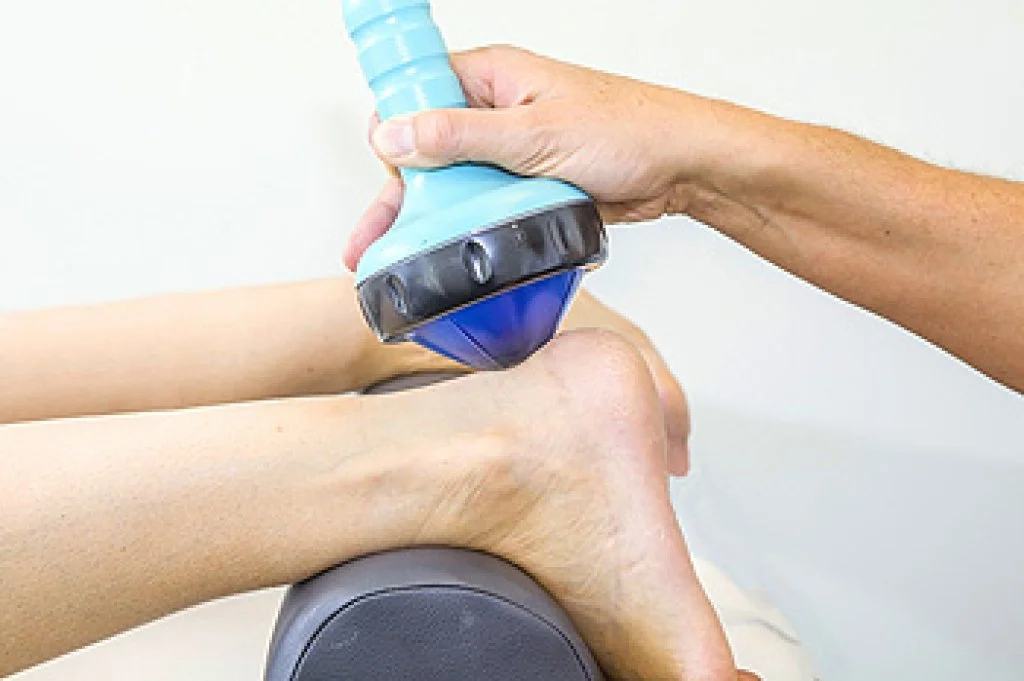
Machine-based “decompression” treatments
These treatments are not interchangeable.
What can manual therapy do?
A physiotherapist may use hands-on treatment to:
Reduce pain
Improve spinal movement
Make certain movements easier
Help you exercise more comfortably
But manual therapy is generally most useful when it helps you move and function better, rather than being the entire treatment.
PAIN
↓
Manual therapy
↓
Easier movement
↓
Exercise & strengthening
↓
Return to normal activity
What about traction?
Traction involves applying a pulling force to the spine.
It is often marketed as a way to “create space” between the vertebrae or permanently decompress a disc. However, current guidelines do not recommend routine traction for low back pain or sciatica.
That does not mean every person responds the same way to every treatment. It means we should be careful about promising that traction will fix the underlying problem.
What does a good rehabilitation programme look like?
For persistent back pain, treatment usually needs to go beyond the treatment table.
Depending on your assessment, this could include:
Mobility → strength → lifting → work → sport
The exercises should become progressively more challenging as your capacity improves.
So, do you need “decompression”?
Not necessarily.
If you have back pain, the more useful question is:
“What is stopping me from moving normally, and what do I need to do to get back to it?”
That is where a proper physiotherapy assessment comes in.
The World Health Organization recommends education, exercise and selected physical therapies such as spinal manipulation and massage as part of non-surgical management for chronic primary low back pain.