
Tennis Elbow in Racquet Sports: When to Rest vs. When to Seek Physio
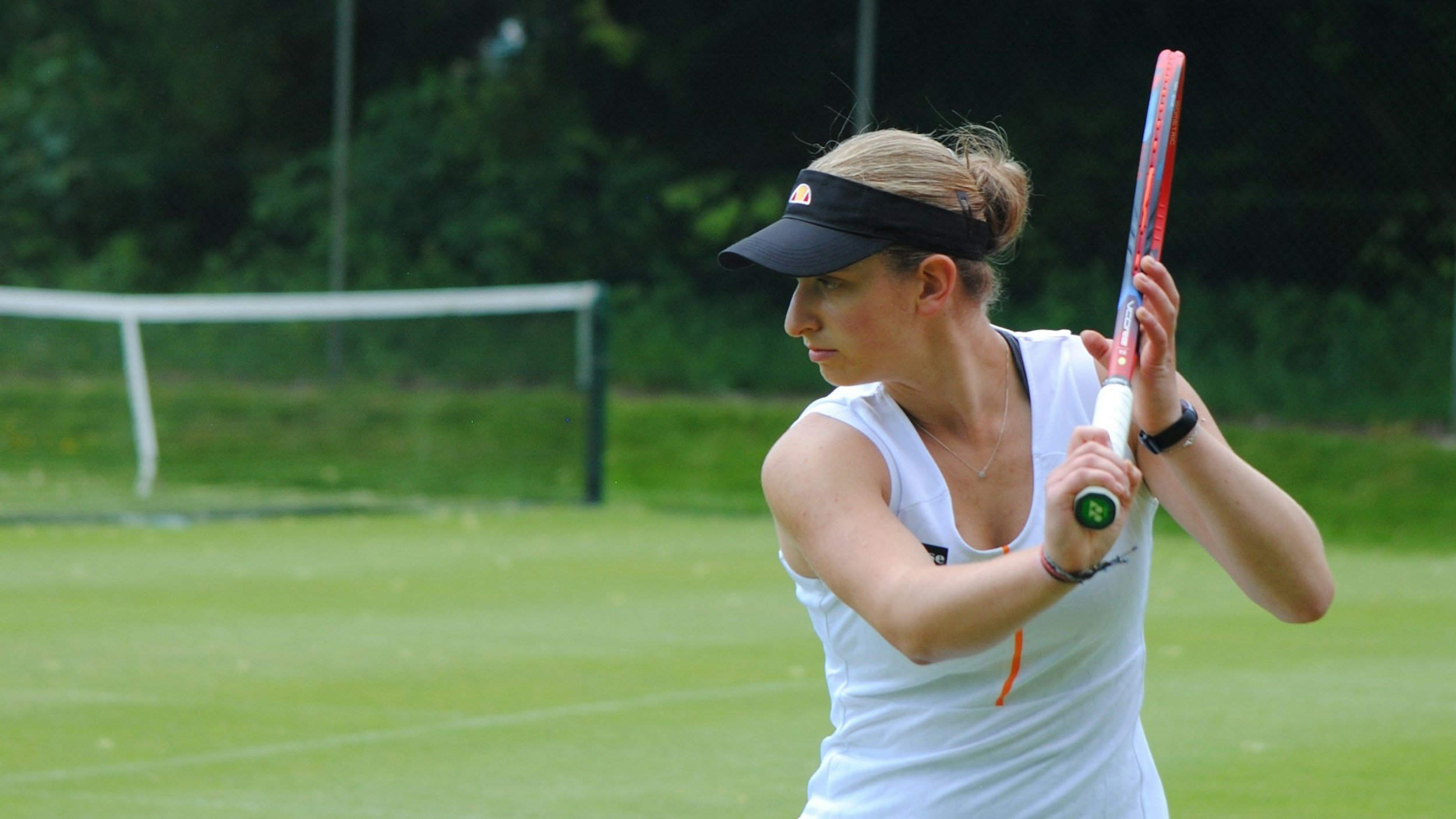
Racquet and paddle sports have experienced a massive surge across Singapore—from early morning tennis matches at Kallang to late-night padel, pickleball, and squash sessions in the humid climate. However, high-velocity serves, sharp wrist flicks, and off-center ball strikes frequently trigger a common and stubborn injury: Tennis Elbow (lateral epicondylitis).
When a sharp, burning pain flares on the outside of your elbow, the standard advice is often total rest. Yet, for chronic tendon conditions, prolonged rest can actually delay healing and make the elbow more prone to reinjury once you step back onto the court.
What Actually Causes Tennis Elbow?
Despite its name, tennis elbow affects players across all racquet sports as well as desk workers who perform repetitive forearm movements.
The injury targets the extensor carpi radialis brevis (ECRB) tendon, which attaches your forearm muscles to the lateral epicondyle (the bony bump on the outside of your elbow). Repetitive impact—such as a single-handed backhand, a heavy padel smash, or poor grip technique under high humidity—causes microscopic tears and collagen degeneration within the tendon rather than simple acute inflammation.
The Danger of Complete Rest: Why Tendons Need Progressive Load
Taking weeks off from playing may reduce immediate pain, but complete rest causes the tendon to decondition. Unloaded tendons lose structural stiffness and load tolerance. When you resume playing at full intensity, the under-prepared tendon flares up almost immediately.
Modern sports physiotherapy focuses on progressive tendon loading to rebuild tissue strength:
Isometric Wrist Extensions: Static holds under light resistance reduce acute tendon pain and improve muscle recruitment without straining the tissue.
Eccentric Strengthening: Slowly lowering a dumbbell into wrist flexion forces disorganized tendon fibers to realign and rebuild tensile strength.
Scapular & Kinetic Chain Integration: Weakness in the shoulder blade or core forces the forearm to absorb excessive force during swings. Strengthening the entire upper limb transfers energy efficiently from the ground up through your racquet.
When to Rest vs. When to Seek Physiotherapy
How to Evaluate and Act on Your Symptoms
Knowing how to interpret your body's signals helps you manage recovery safely without giving up active play entirely:
Mild Stiffness or a Warming-Up Ache
What It Means: This indicates low-grade tendon stiffness that warms up during play.
Action Required: Continue modified play alongside load training. Perform targeted wrist warm-ups and introduce off-court eccentric forearm exercises to build tissue resilience.
Sharp Pain During Backhands or Forehands
What It Means: The tendon is currently overloaded by your playing volume or stroke mechanics.
Action Required: Modify your play by reducing court frequency or power output, and swap high-impact rallies for controlled, targeted loading drills.
Pain Persisting >48 Hours Post-Match, Night Ache, or Weak Grip (e.g., Dropping Coffee Cups)
What It Means: This points to significant tendon degeneration or severe overload requiring clinical guidance.
Action Required: Seek a professional physiotherapy assessment. This level of strain requires a comprehensive biomechanical evaluation, hands-on manual therapy, and a structured rehabilitation plan.
Rebuild Your Forearm Strength with Prohealth Asia in Singapore
Playing through persistent elbow pain often leads to altered swing mechanics and secondary injuries in the shoulder or wrist.
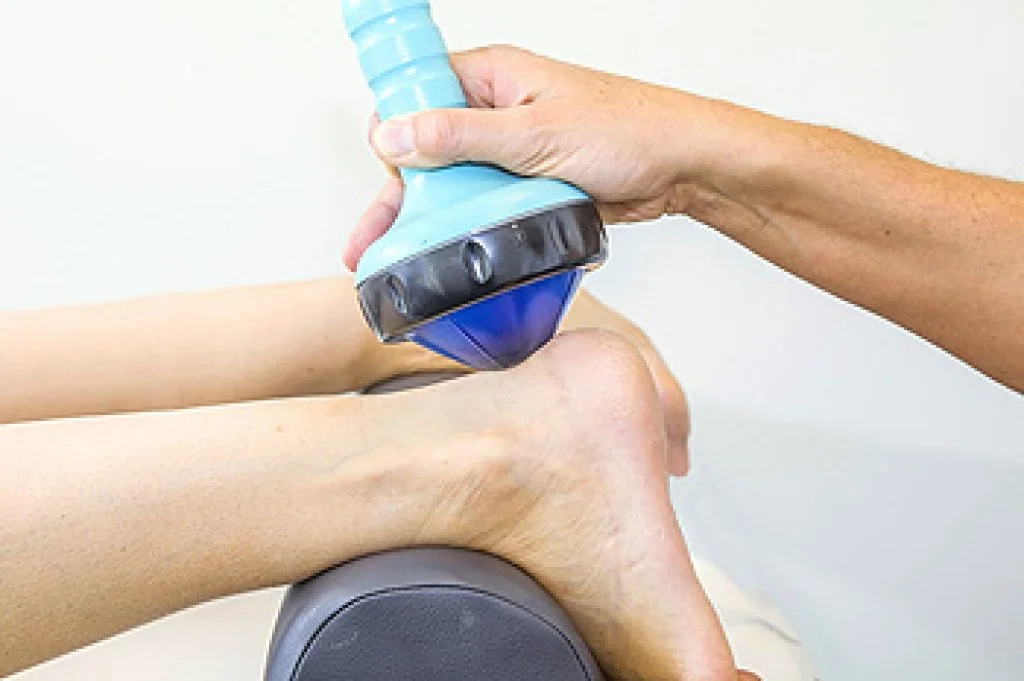
At Prohealth Asia (operating at In Touch Physio in Raffles Place), our clinical team provides video stroke analysis, hands-on soft tissue mobilization, and tailored tendon-loading programs to help you return to the court pain-free. Book an assessment today to get back to your game with confidence.