
Sports Massage vs. Deep Tissue Massage: Which One Does Your Recovery Need?

What it is
Sports massage: Flexible techniques for active people (gliding strokes, kneading, compression, shaking, light percussion, stretching, targeted friction).
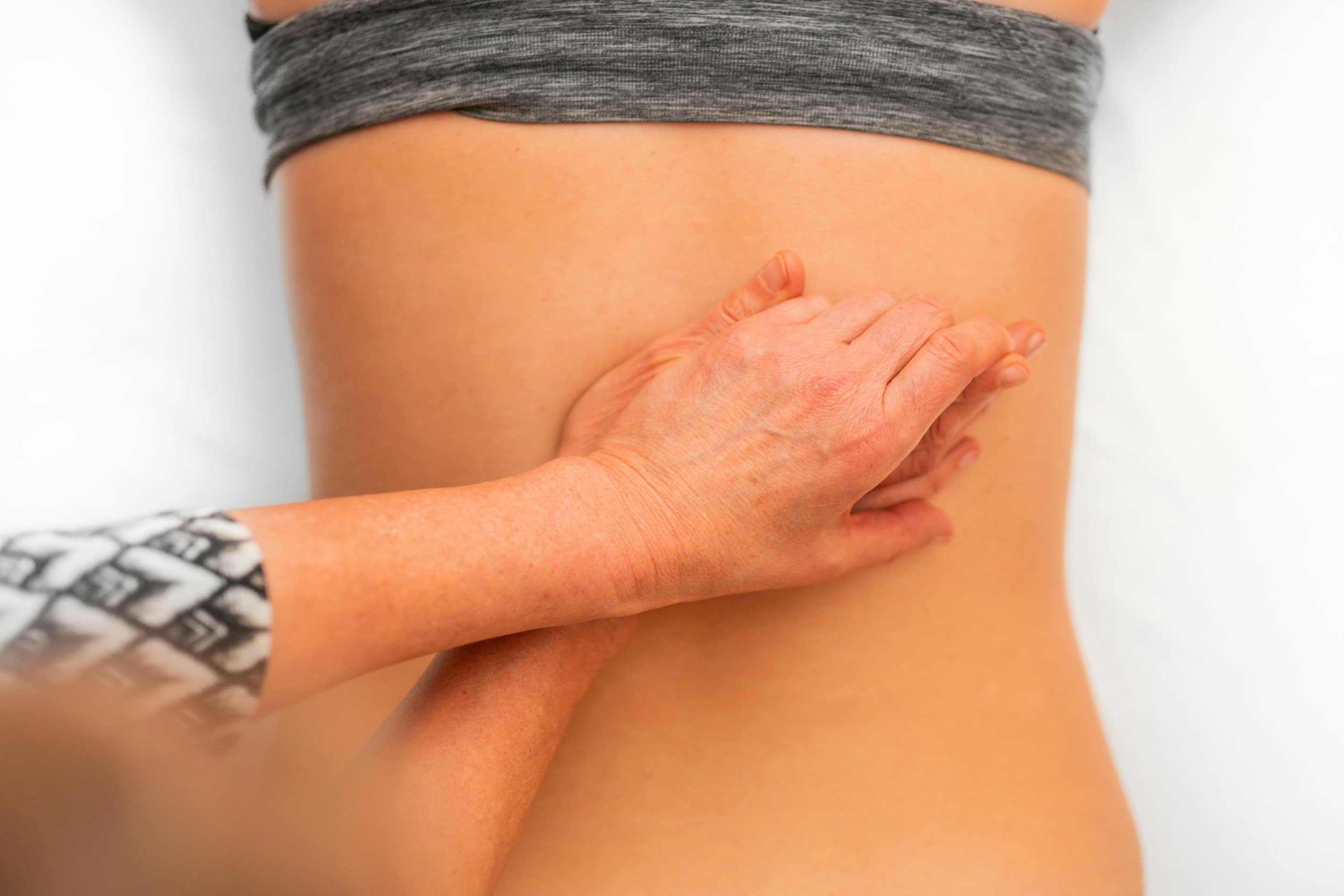
Deep tissue massage: Slower, sustained pressure into deeper muscle and connective tissue (thumbs, knuckles, forearms, elbows, broad compressions).
Pressure level
Sports massage: Light to moderately firm; adjusted to training phase, soreness, tolerance, and upcoming activity.
Deep tissue massage: Firm but tolerable; should not be maximal or painful. Excessive pressure can increase guarding, soreness, or bruising.
Main goals
Sports massage:
Reduce post-training stiffness
Improve short-term comfort and perceived recovery
Temporarily improve range of motion
Prepare muscles before an event
Maintain soft-tissue comfort during heavy training
Support (not replace) rehab plans
Deep tissue massage:
Ease persistent muscular tightness
Target localised “knots” or tender spots
Reduce recurrent neck, shoulder, back, hip, or calf tension
Improve comfort in specific movements
Address general soft-tissue stiffness without recent acute injury
Typical session focus
Sports massage: Pre-event: shorter, lighter, mobility-focused. Post-training: slower strokes, moderate compression to settle soreness.
Deep tissue massage: Short-term change in how a tense area feels and moves; not guaranteed to break scar tissue, permanently lengthen muscle, or fix the root cause of recurrent pain.
The Lactate Myth
Sports massage is commonly described as a way to “flush out lactate.” However, research has not consistently shown that massage improves blood-lactate clearance after intense exercise. Active recovery may be more useful for this physiological purpose than massage or passive rest.
This does not mean sports massage is useless. Evidence suggests that massage may provide small improvements in delayed-onset muscle soreness and flexibility, but consistent improvements in strength, sprinting, jumping, endurance, or fatigue have not been demonstrated.
A more accurate description is that sports massage may help you feel less sore and more comfortable—not that it mechanically removes waste products from the muscles.
Key Differences
-
Sports massage: Training, competition, recovery, and sport-specific comfort
Deep tissue massage: Persistent muscular tension and localised soft-tissue sensitivity
-
Sports massage: Light to moderately firm; varies across the session
Deep tissue massage: Slow, sustained, firm pressure; should remain tolerable
-
Sports massage: Effleurage, kneading, compression, stretching, percussion, targeted friction
Deep tissue massage: Sustained compression, slow stripping strokes, focused pressure, and tissue-specific work
-
Sports massage: Before or after exercise, during heavy training, or for maintenance
Deep tissue massage: Usually when chronic tightness or recurring muscular discomfort is the main concern
-
Sports massage: Feeling looser, less stiff, or better prepared to move
Deep tissue massage: Reduced local tension and improved short-term comfort
-
Sports massage: A known training-related issue without red flags
Deep tissue massage: A longstanding muscular tension pattern without acute injury
-
Sports massage: Does not reliably improve performance or lactate clearance
Deep tissue massage: May be too aggressive for fresh injuries or irritable pain
The Bottom Line
Sports massage is usually the better match for training-related maintenance, event preparation, and perceived recovery. Deep tissue massage is more suitable for persistent, localised muscular tension when the problem is familiar and uncomplicated.
If the problem is new, worsening, function-limiting, post-surgical, or associated with neurological or systemic symptoms, start with a physiotherapist or medical professional. Massage can be a useful adjunct, but it should support—not substitute for—assessment, progressive loading, and rehabilitation.