
Shockwave Therapy for Persistent Tendonitis: Is It Right for Your Chronic Achilles Tendinopathy?
If you suffer from a persistent, stiff ache at the back of your heel or lower calf, especially during your morning steps or on humid runs around Marina Bay, you are likely dealing with Achilles tendinopathy. While early-stage tendon pain often responds to rest and ice, chronic Achilles pain can linger for months. When conservative care stalls, Extracorporeal Shockwave Therapy (ESWT) offers an effective, non-invasive option to reactivate healing without surgery.
How Shockwave Technology Works for Achilles Tendons
Unlike acute tendonitis involving active inflammation, chronic Achilles tendinopathy is characterised by degraded collagen fibers, micro-tears, and poor localised blood supply within the tendon body or its insertion point at the heel bone.
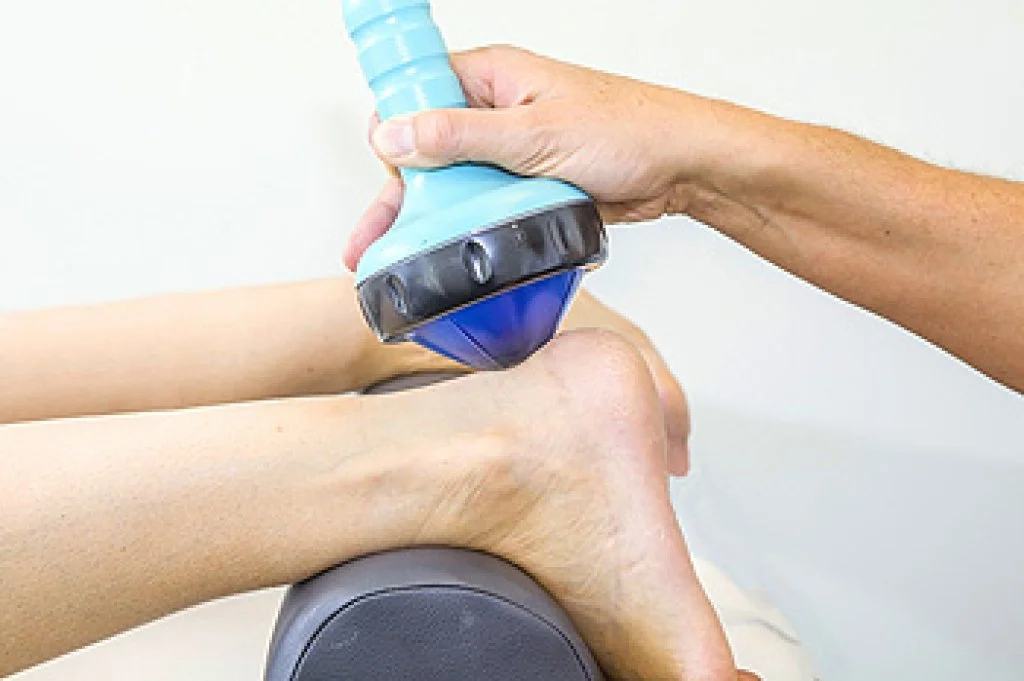
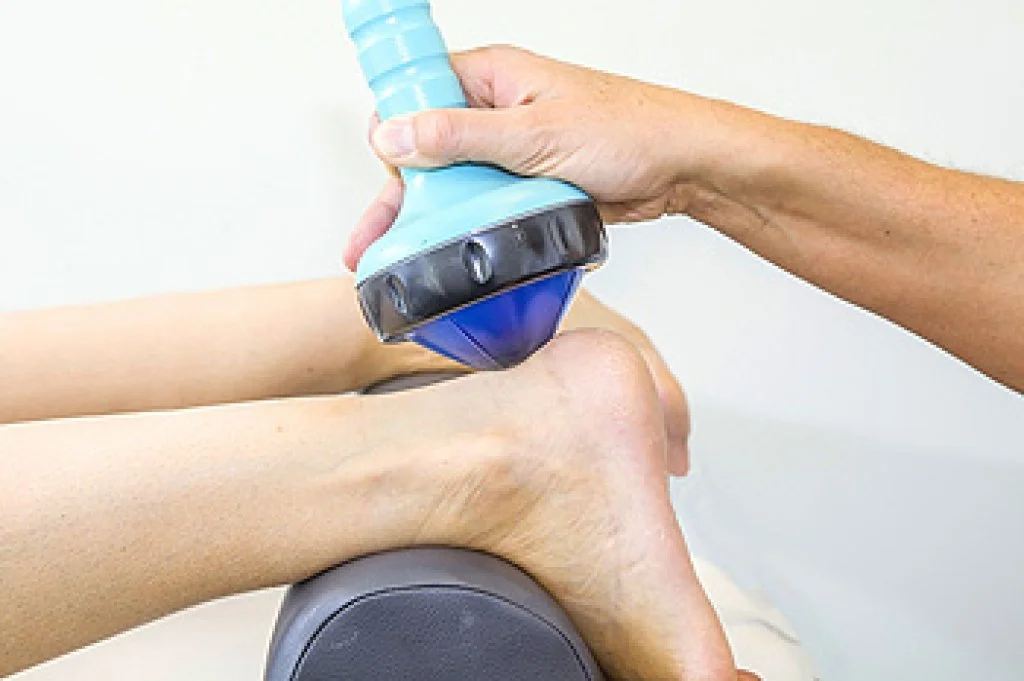
Shockwave Therapy delivers targeted acoustic sound waves directly to the affected tendon tissue. These high-energy pulses trigger neovascularization, which is the growth of new micro-blood vessels, which increases oxygen and nutrient delivery to non-healing tissue. Additionally, the acoustic stimulation breaks down localised calcifications and temporarily desensitises nerve fibers, providing pain relief while stimulating cellular repair.
Clinical research supports ESWT as a primary non-surgical intervention for resistant cases. Notably, a landmark study by Rasmussen et al. (2008) demonstrated that shockwave therapy is a highly effective, non-invasive treatment for chronic Achilles tendinopathy, showing significant improvements in pain scores and functional recovery compared to traditional passive care alone.
What to Expect: Treatment Protocol & Timeline
At Prohealth Asia, a typical shockwave protocol for Achilles tendinopathy follows a streamlined care plan:
Session Frequency: 3 to 5 treatments, scheduled once a week, taking roughly 10 to 15 minutes per session.
Zero Downtime: Because the procedure is non-invasive, patients can walk out of the clinic and continue daily activities immediately. High-impact running or heavy jumping is temporarily modified.
Recovery Timeline: Pain relief often begins within 2 to 3 weeks, with structural tissue regeneration continuing for 8 to 12 weeks following the last session.
Combining Shockwave with Progressive Loading Exercises
Shockwave therapy stimulates the biological healing response, but restoring full tendon function requires mechanical loading.
To build a resilient tendon that can handle daily stress and sports, physiotherapists combine shockwave treatment with:
Eccentric Calf Drops (Alfredson Protocol): Controlled lengthening of the calf muscle under load to realign collagen fibers.
Heavy Slow Resistance (HSR) Training: Gradual isometric and isotonic strength loading to rebuild tendon stiffness and power.
Biomechanical & Gait Adjustments: Correcting foot mechanics, ankle mobility deficits, or calf tightness that overburdens the Achilles.
Take the Next Step Toward Recovery
If chronic Achilles pain has held you back from active living for over 3 months, combining shockwave therapy with targeted exercise therapy offers a proven pathway to recovery. Book an assessment with Prohealth Asia’s physiotherapy team in Singapore to build a tailored tendon rehabilitation plan.