
松解僵硬关节:物理治疗中关节松动术的功效
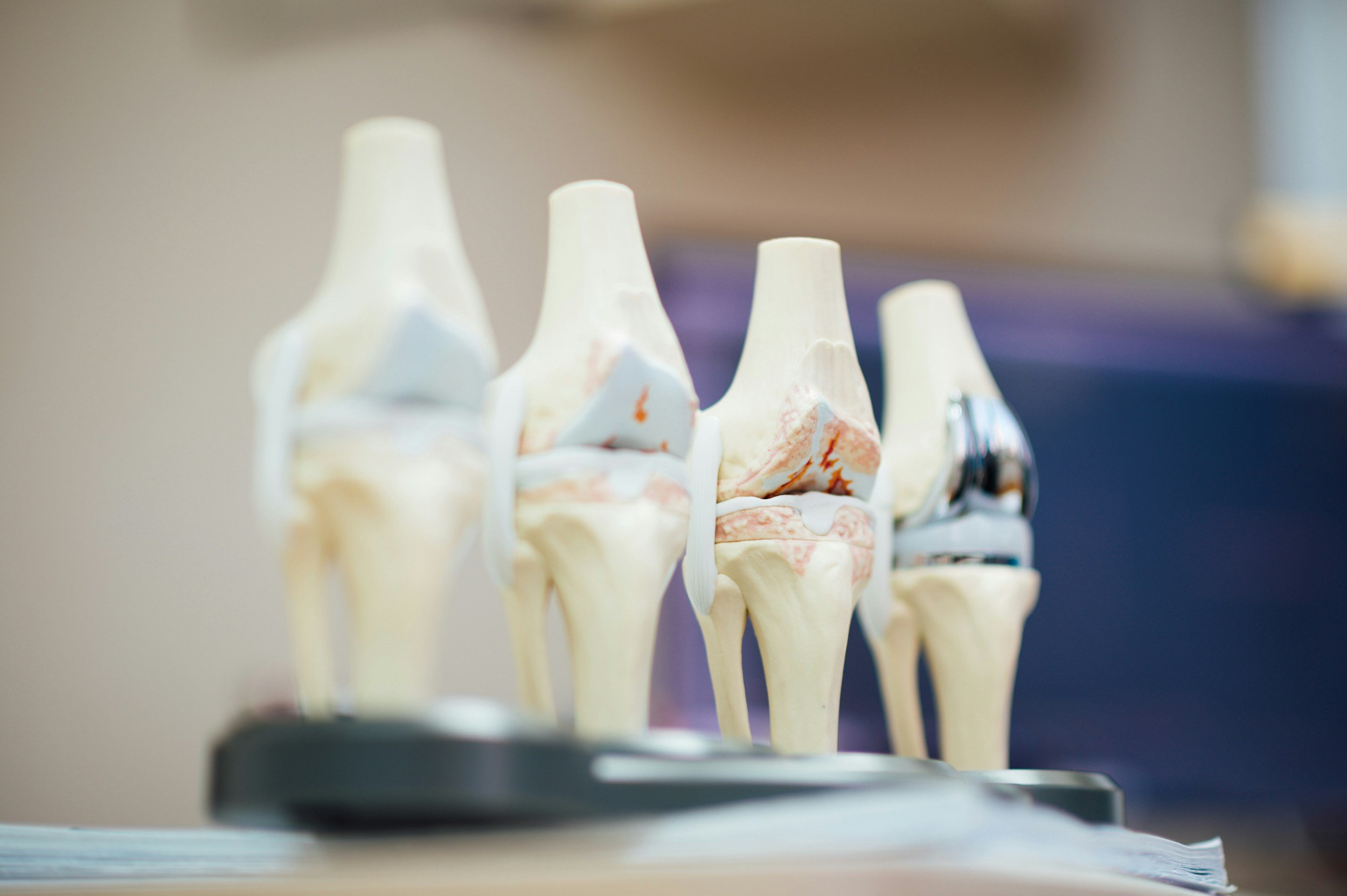
关节僵硬会使日常活动变得困难,并影响整体生活质量。无论是由于衰老、受伤,还是关节炎等慢性疾病所致,关节僵硬往往会限制活动能力、加剧不适感,并降低生活自理能力。物理治疗提供了针对性的解决方案,其中关节松动术是恢复活动能力、缓解疼痛和改善功能的最有效技术之一。
What is Joint Mobilisation?
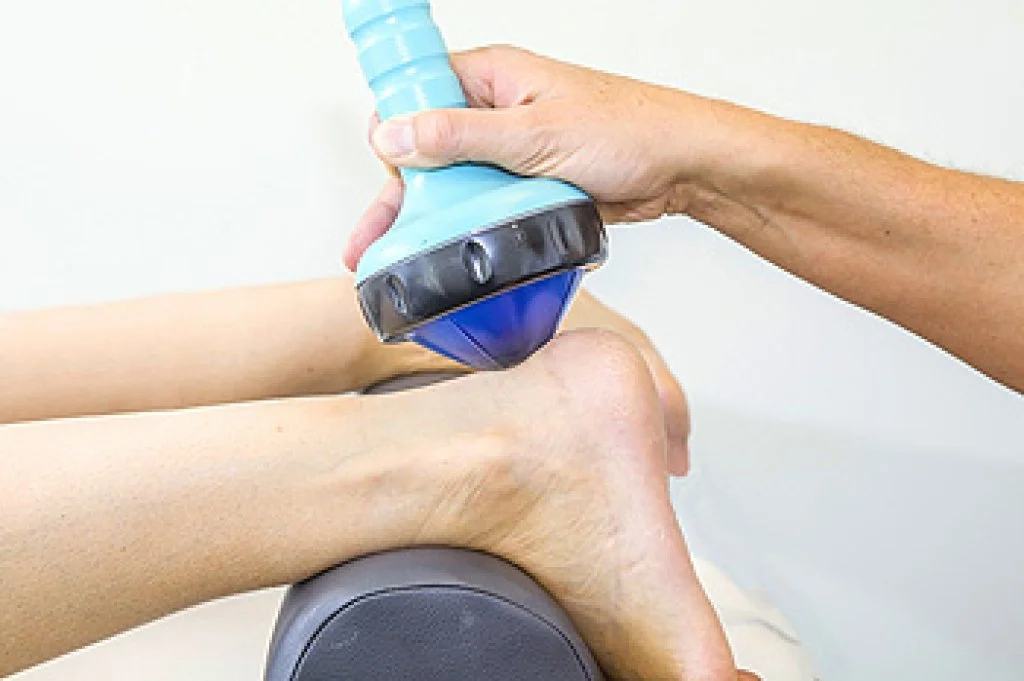
Joint mobilisation is a manual therapy technique used by physiotherapists to improve joint movement and alleviate discomfort. It involves the controlled movement of joints within their natural range of motion to reduce stiffness, improve circulation, and enhance overall mobility. Unlike more aggressive manipulations, joint mobilisation is gentle, safe, and tailored to each patient’s needs.
Physiotherapists often combine joint mobilisation with exercises, stretching, and postural training to achieve long-term improvements in joint health and physical function.
How Joint Mobilisation Helps
Joint mobilisation offers multiple benefits for people with stiff or painful joints. These include:
Increased range of motion: Gentle movement helps loosen tight structures surrounding the joint.
Pain relief: Mobilising the joint reduces pressure on nerves and surrounding tissues, easing discomfort.
Improved circulation: Enhanced blood flow supports tissue repair and reduces inflammation.
Enhanced function: Greater mobility allows for smoother, more efficient movement in daily activities.
Preventing further stiffness: Regular physiotherapy can slow the progression of joint stiffness associated with ageing or chronic conditions.
By addressing stiffness directly, joint mobilisation can improve overall movement patterns and reduce the risk of secondary injuries caused by compensatory movements.
Conditions That Benefit from Joint Mobilisation
Joint mobilisation is effective for a variety of musculoskeletal issues, including:
Osteoarthritis and age-related joint stiffness
Post-injury recovery, such as after sprains or fractures
Chronic pain conditions, including low back pain and shoulder stiffness
Sports injuries requiring improved joint function
Post-surgical rehabilitation to regain mobility and prevent scar tissue restriction
A physiotherapist will perform a detailed assessment to determine which joints require mobilisation and develop a treatment plan based on individual needs and functional goals.
治疗过程中会发生什么
During a joint mobilisation session, the physiotherapist will guide the affected joint through gentle, controlled movements. These may include small oscillations or stretches to improve mobility without causing pain. Patients may feel mild relief or loosening during the session, and some temporary soreness is common after initial treatments.
Sessions are typically combined with strengthening exercises, stretching routines, and posture correction strategies. This ensures that joint gains are maintained and supported by surrounding muscles and soft tissues.
Integrating Joint Mobilisation with Physiotherapy
Joint mobilisation works best as part of a comprehensive physiotherapy programme. Key components may include:
Targeted exercises: Strengthening muscles around the joint to provide stability and support.
Stretching routines: Enhancing flexibility in muscles and connective tissues surrounding the joint.
Postural education: Teaching correct movement patterns to reduce strain and improve function.
Functional training: Practising daily activities safely to reinforce gains achieved during therapy.
By combining joint mobilisation with these strategies, physiotherapy not only relieves stiffness but also improves overall physical performance and long-term joint health.
Take Control of Stiff Joints
Stiff joints should not limit your life or prevent you from moving comfortably. Joint mobilisation is a safe, effective, and evidence-based physiotherapy technique that restores mobility, reduces pain, and enhances functional ability. Consulting a physiotherapist ensures that treatment is tailored to your specific needs, helping you regain confidence, independence, and a better quality of life.