
您的颞下颌关节问题是否导致头痛?有效的颞下颌关节治疗方案

反复发作的头痛会让人筋疲力尽——尤其是当你已经尝试过服药、调整作息或改善睡眠,但疼痛却依然反复发作时。许多人没有意识到的是,头痛有时可能源于颞下颌关节(TMJ)。当下颌关节及周围肌肉处于紧张状态或错位时,这种紧张感会向上扩散,从而导致持续性的头痛。
If you’ve been battling unexplained headaches, it may be time to consider whether your TMJ is the hidden culprit. Here’s how to identify TMJ-related headaches and what TMJ Treatment professionals recommend for lasting relief.
Understanding the Link Between TMJ Disorders and Headaches
The TMJ connects your jaw to your skull and relies on a complex network of muscles in the jaw, face, head, and neck. When this joint becomes irritated—due to clenching, grinding, stress, injury, or poor posture—it can cause tightness in several related muscle groups.
This tightness can refer pain into the temples, behind the eyes, or around the ears, creating headaches that feel:
Tension-like
Achy or dull
One-sided
Worse when chewing or talking
Accompanied by jaw clicking or stiffness
Because these symptoms often overlap with migraines or sinus issues, many people overlook the connection. But with a proper assessment, TMJ physiotherapy Singapore clinics can accurately diagnose whether the jaw is the root of the problem.
Common Causes of TMJ-Related Headaches
Several factors can trigger TMJ tension that eventually leads to headaches:
Teeth grinding or clenching (bruxism)
Forward-head posture from prolonged screen use
Stress and muscle tension
Misalignment of the bite or jaw
Overuse of jaw muscles (chewing gum, hard foods)
Trauma or dental procedures
Once the root cause is identified, a tailored treatment plan can significantly reduce both TMJ discomfort and chronic headaches.
Effective TMJ Treatment Solutions
1. TMJ Physiotherapy
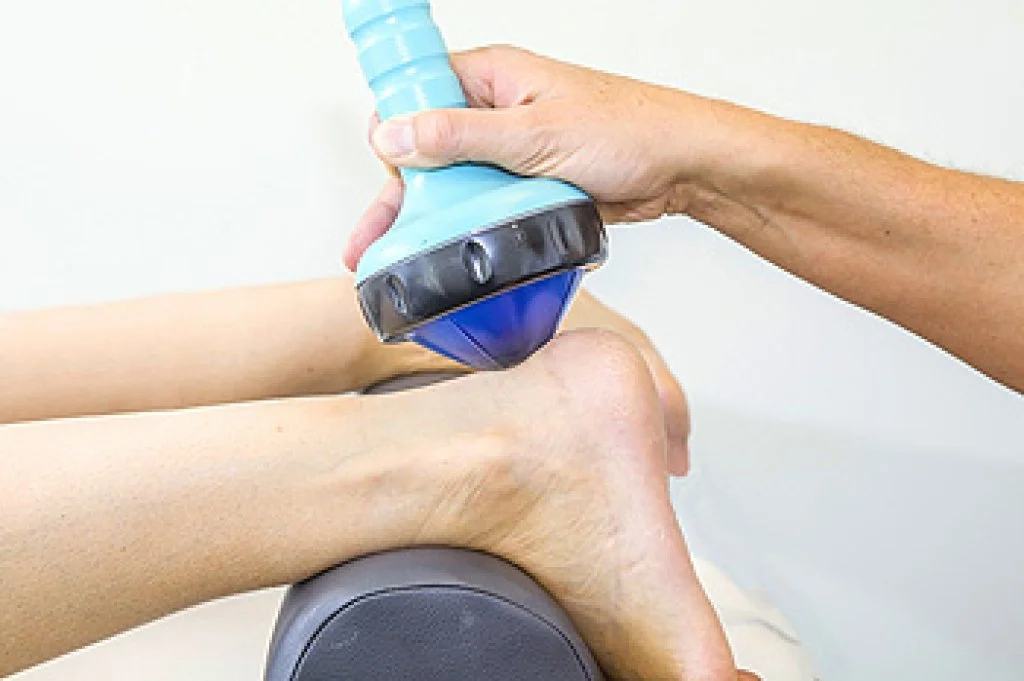
Physiotherapy remains one of the most effective non-invasive treatments for TMJ-related headaches. TMJ-focused physiotherapists use:
Manual muscle release
关节松动术
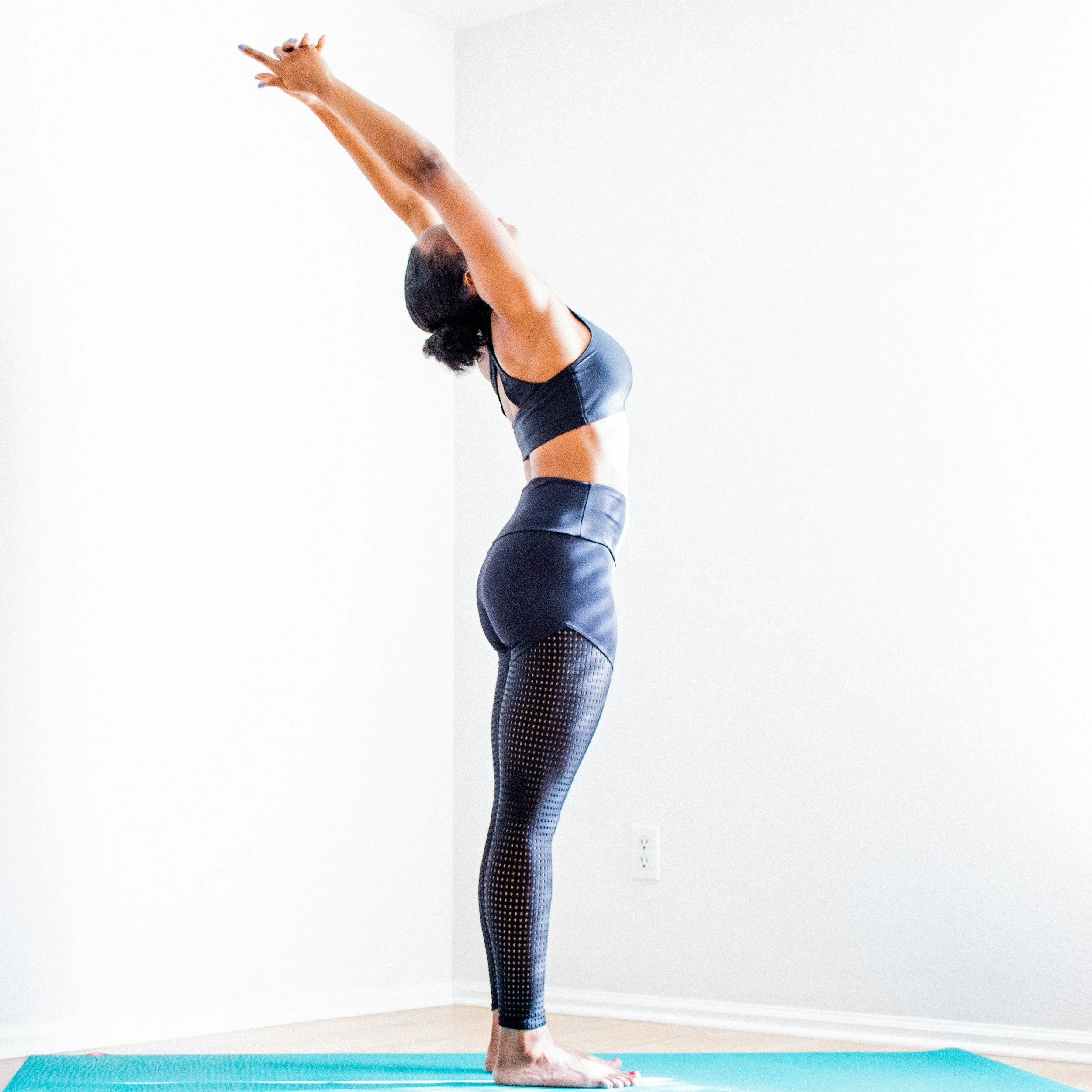
Postural correction
Jaw retraining exercises
Muscle relaxation techniques
These methods restore normal jaw movement, reduce muscle tension, and prevent headache-triggering strain.
2. Bite Guards or Splints
For individuals who grind their teeth at night, dentists may recommend a custom splint. This reduces pressure on the TMJ and helps prevent morning headaches.
3. Postural Retraining
Poor posture—especially the common head-forward posture—can place significant strain on the jaw and neck. Correcting alignment through physiotherapy exercises reduces overall tension.
4. Stress Management Strategies
Because stress-induced clenching is a major contributor, incorporating breathing exercises, relaxation techniques, and lifestyle changes can help prevent flare-ups.
5. Trigger Point Release
Tight muscles around the jaw and neck can develop trigger points that refer pain to the head. Physiotherapists can relieve these points through specialised manual techniques.
Most patients notice improvements within a few weeks of consistent treatment, with long-term relief achieved through corrective exercises and habit modification.
When Should You Seek TMJ Treatment in Singapore?
You should consider TMJ evaluation if you experience:
Frequent headaches alongside jaw discomfort
Jaw clicking, popping, or locking
Pain when chewing
Facial or ear pain
Limited jaw movement
Morning headaches or jaw fatigue
The earlier you seek help, the easier it is to stop the cycle of muscle tension and headaches.
Take Back Control of Headache Pain Today
If headaches are disrupting your daily life, don’t overlook the possible connection to your jaw. By seeking effective TMJ Treatment options—especially physiotherapy—you can reduce pain, restore proper jaw alignment, and enjoy long-lasting relief. A TMJ assessment may be the missing key to finally ending your persistent headaches.