
如何选择治疗方案:物理治疗、手法治疗和运动治疗详解

物理康复领域可能让人感到困惑,尤其是当涉及“物理治疗”、“手法治疗”和“运动治疗”等术语时。虽然这三者都致力于改善活动能力并缓解疼痛,但它们在专业化程度、执业范围和核心理念方面各不相同。
Here is a breakdown of their distinct roles and how they intersect.
1. Physiotherapy (Physical Therapy)
Physiotherapy is the foundational and most encompassing discipline of the three. It is a regulated, primary healthcare profession that focuses on restoring, maintaining, and maximizing a patient's physical strength, function, movement, and overall well-being.
Core Identity and Scope
Broadest Scope: Physiotherapists address a vast range of conditions across the lifespan, not just injuries.
Medical Focus: They work with musculoskeletal issues (e.g., back pain, broken bones), as well as complex systemic conditions like neurological disorders (stroke, Multiple Sclerosis), cardiorespiratory diseases (COPD, post-heart surgery), and developmental issues in children.
Treatment Philosophy: Treatment is typically a holistic combination of patient education, therapeutic exercise prescription (the most critical component), and various hands-on or machine-assisted techniques.
When to Choose a Physiotherapist
A physiotherapist is the ideal choice for anyone needing a broad, evidence-based approach, especially for chronic pain, complex mobility issues, or recovery from serious illness or surgery.
2. Manual Therapy (A Specialised Skill)
Manual therapy is unique because it is not a profession but rather a toolset or a highly specialised treatment approach employed by qualified practitioners, including physiotherapists, osteopaths, and chiropractors.
Core Identity and Scope
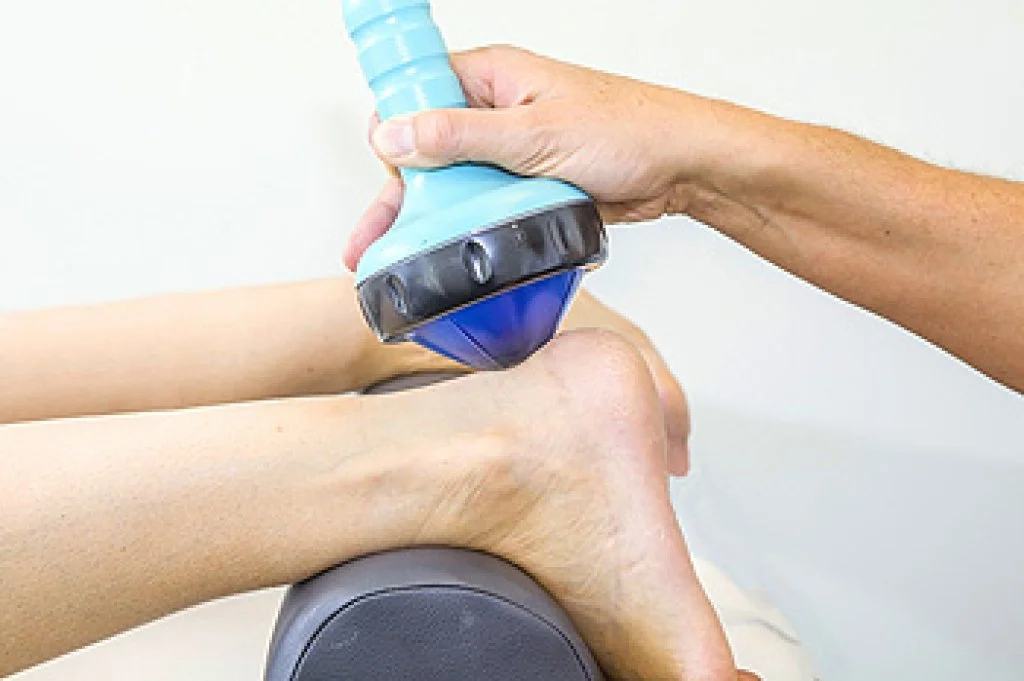
Hands-On Focus: It refers exclusively to the "hands-on" techniques used to diagnose and treat soft tissues, nerves, and joint structures.
Treatment Philosophy: The goal is to modulate pain, increase range of motion, and reduce muscle tension through direct physical contact.
Integration: It is almost always used as an adjunct to other treatments. For example, a physiotherapist might use manual therapy (like joint mobilisation) to prepare a joint, then follow it up with targeted strengthening exercises.
Key Techniques
Joint Mobilisation: Rhythmic, passive movements applied to restricted joints.
Spinal Manipulation: High-velocity thrusts applied to a joint (often resulting in a "pop").
Soft Tissue Techniques: Deep tissue massage, trigger point therapy, and myofascial release.
3. Sports Therapy
Sports therapy is a highly focused and relatively newer profession that specifically bridges the gap between clinical injury management and high-level physical activity.
Core Identity and Scope
Target Population: Its focus is nearly exclusive to the athletic and physically active population.
Injury Pathway: Sports therapists specialize in the entire journey of a sport-related injury: prevention, immediate care, assessment, treatment, and functional rehabilitation back to pre-injury levels of sport.
Treatment Philosophy: The rehabilitation is highly functional and sport-specific, focusing on agility, power, endurance, and performance metrics, not just basic day-to-day mobility.
When to Choose a Sports Therapist
If you have a specific injury sustained during exercise (e.g., ankle sprain on the football pitch, runner's knee) and your primary goal is a rapid, safe, and performance-optimised return to that activity, a Sports Therapist is often the best fit.
Summary: The Overlap and the Difference
The easiest way to understand the relationship is through a hierarchy:
Physiotherapy is the large umbrella covering rehabilitation for all body systems and people.
A qualified Physiotherapist will use Manual Therapy as one of many tools in their clinical treatment toolbox.
Sports Therapy is a focused discipline that applies rehabilitation principles specifically to the demands of sports performance and injury.