
ACL Reconstruction: Mastering the Full Return to Sport Journey (The Physio View)
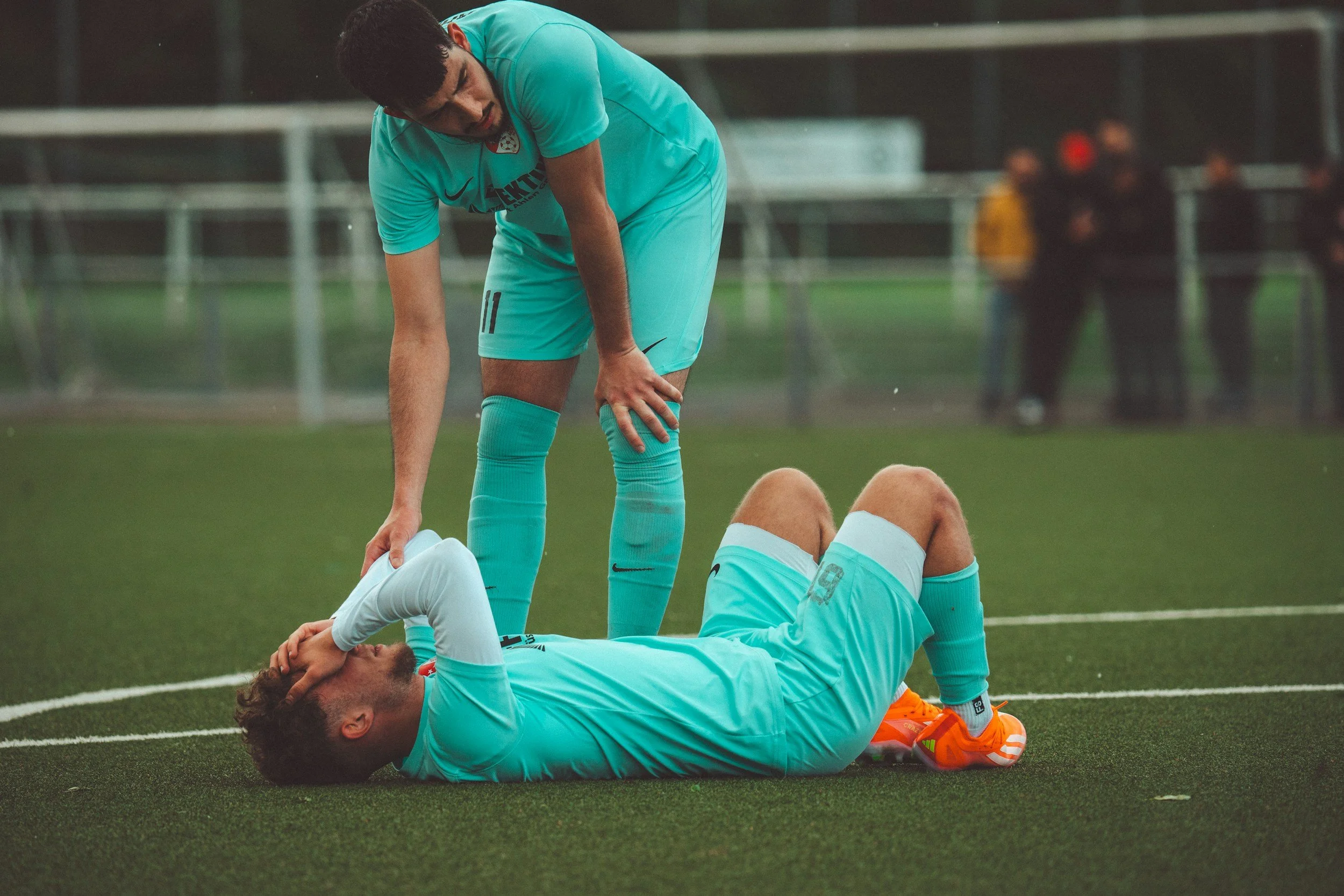
前十字韧带(ACL)重建是膝关节受伤的运动员和活跃人群最常见的手术之一。ACL重建后要安全地重返运动场,仅靠术后愈合是不够的。物理治疗在恢复肌力、关节稳定性和自信心方面发挥着至关重要的作用,确保运动员能够安全地恢复训练和比赛。了解物理治疗的视角,有助于患者有效应对重返运动场的整个过程。
The Importance of Physiotherapy After ACL Reconstruction
After ACL reconstruction, the knee joint requires careful rehabilitation to restore full function. Physiotherapy helps reduce swelling, improve range of motion, and strengthen surrounding muscles. It also addresses movement patterns and balance deficits that may have contributed to the injury. Without proper physiotherapy, athletes risk re-injury, reduced performance, and long-term joint problems.
Physiotherapists create personalised rehabilitation plans based on the patient’s sport, fitness level, and surgical outcome. This approach ensures a safe, structured progression through each stage of recovery.
Early Stage Rehabilitation
The first stage of post-surgical physiotherapy focuses on reducing pain and swelling while regaining basic knee mobility. Key components include:
Range of motion exercises: Gentle bending and straightening exercises to restore joint movement.
Quadriceps activation: Targeted exercises to prevent muscle wasting and improve knee stability.
Gait training: Practising walking with correct alignment and support aids like crutches if needed.
Pain and swelling management: Ice, compression, and elevation help control inflammation.
Early intervention sets the foundation for later stages and supports a quicker return to sport.
Strength and Stability Training
Once basic mobility is restored, physiotherapy progresses to rebuilding strength and stability. This stage is essential for protecting the reconstructed ACL during sports activities. Key exercises include:
Leg strengthening: Squats, lunges, and step-ups to enhance quadriceps, hamstrings, and gluteal muscles.
Balance and proprioception drills: Single-leg stands and wobble board exercises improve knee control.
Functional movement training: Sport-specific movements such as cutting, pivoting, and jumping are introduced gradually.
This stage helps athletes regain power, coordination, and confidence in their knee.
Advanced Sport-Specific Rehabilitation
The final stage focuses on preparing the athlete for a full return to training and competition. Physiotherapists assess the knee through dynamic testing and simulate sport-specific scenarios. Key elements include:
Agility drills: Incorporating rapid changes in direction and reaction time exercises.
Jumping and landing mechanics: Teaching proper technique to reduce the risk of re-injury.
Endurance and conditioning: Ensuring the athlete can sustain high-intensity activity without fatigue.
Psychological readiness: Addressing fear of re-injury and boosting confidence in knee function.
This stage ensures that athletes return to sport safely and at peak performance.
The Role of Ongoing Support
Even after returning to sport, ongoing physiotherapy can help maintain knee health. Regular strengthening, flexibility exercises, and monitoring of movement patterns prevent future injuries and optimise long-term performance. Athletes benefit from continued guidance on training load management, recovery strategies, and injury prevention techniques.
Moving Forward with Confidence
Successfully returning to sport after ACL reconstruction is possible with a structured physiotherapy plan. By focusing on strength, stability, coordination, and sport-specific skills, athletes can rebuild confidence in their knee and perform at their best. Consistent physiotherapy not only reduces the risk of re-injury but also supports long-term knee health, helping athletes maintain an active lifestyle and enjoy the sports they love