
Understanding Meniscus Injuries: Symptoms, Causes, and Recovery in Singapore
In the fast-paced life of Singapore—whether you’re a professional athlete training at the Padang, a "weekend warrior" hitting the trails at MacRitchie, or simply a busy professional navigating the CBD—knee health is essential to your mobility.
One of the most common causes of knee pain we see at Prohealth Asia Singapore is a meniscus injury. But what exactly is the meniscus, and how can you tell if yours is damaged?
What is the Meniscus?
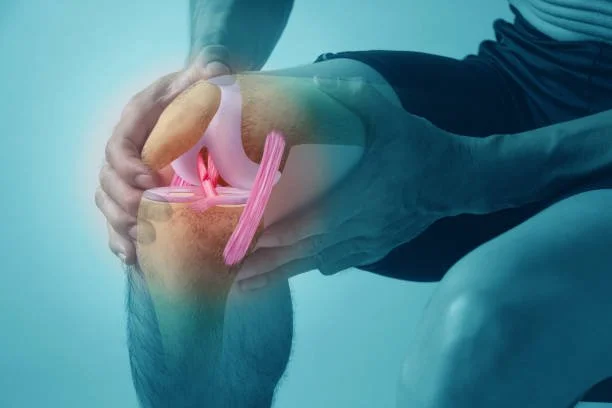
The meniscus is a C-shaped piece of tough, rubbery cartilage that sits between your shinbone (tibia) and thighbone (femur). Each knee has two menisci that act as vital shock absorbers. They help distribute weight evenly across the joint, provide stability, and protect the bones from rubbing against each other during movement.
Common Causes of Meniscus Tears
A meniscus tear can happen to anyone, regardless of age or activity level. The most common causes include:
Sports & Lifting Injuries: Sudden twisting or pivoting while the knee is bent—common in football, rugby, or netball—is a frequent cause. Similarly, lifting heavy weights from a deep squat position can put excessive pressure on the cartilage.
Wear and Tear (Degenerative Tears): As we age, our cartilage naturally weakens. For older adults in Singapore, a meniscus tear can occur from something as simple as an awkward step or a sudden squat during daily activities.
Direct Impact: Accidents or heavy tackles during contact sports can cause acute trauma to the knee joint, leading to a tear.
5 Signs You Might Have a Meniscus Injury
If you’ve recently experienced a "pop" in your knee or are dealing with lingering discomfort, look out for these symptoms:
Localised Knee Pain: Pain often felt on the inner or outer side of the knee, which typically worsens during deep squats or twisting movements.
Swelling and Stiffness: You may notice the knee "tightening" or swelling within 24 hours of an injury.
Mechanical Locking: A sensation that your knee is "catching" or "locking," making it difficult to move the joint freely.
Limited Range of Motion: Difficulty fully straightening (extension) or bending (flexion) your knee.
Instability: A feeling that your knee might "give way" when putting weight on it.
How Physiotherapy Can Help: Our Treatment Approach
At Prohealth Asia, we don’t just treat the symptoms; we focus on long-term recovery and preventing future injuries. Our evidence-based treatment plans are personalised to your specific lifestyle and goals.
Manual Therapy: Hands-on techniques to relieve acute pain, reduce joint stiffness, and manage swelling.
Soft Tissue Release: Targeted massage and release techniques to relax tight muscles around the knee, such as the hamstrings and calves.
Exercise Prescription: A progressive strength and conditioning program designed to restore full movement and stability to the joint.
Return-to-Sport Programming: For athletes, we create a structured roadmap to get you back to your peak performance safely.
Pre- and Post-Op Rehabilitation: If surgery is required, our team provides specialist care to ensure the best surgical outcome and a faster recovery.
Patient Education: We empower you with the knowledge to understand your condition and manage your knee health independently.
Take the First Step Toward Recovery
Knee pain shouldn't keep you from the activities you love. Whether you’re dealing with a fresh injury or a nagging ache that won't go away, our expert physiotherapists at our Raffles Place clinic are here to help.
Don’t wait for the pain to worsen. Book an assessment with Prohealth Asia Singapore today and get back to moving with confidence.