Almost everyone experiences a bout of back stiffness at some point—whether after lifting luggage, sitting through back-to-back meetings, or finishing a heavy gym session. While minor muscle fatigue often settles on its own, knowing when to seek physiotherapy for lower back pain versus resting at home prevents acute flare-ups from turning into chronic spinal issues
When Rest and Self-Care at Home Are Appropriate
Short-term, relative rest, meaning one to two days of avoiding heavy lifting while continuing gentle walking, is usually sufficient when your discomfort feels like a localised, dull ache following unaccustomed activity or prolonged sitting. If your pain steadily improves over 48 to 72 hours with light movement, heat packs, and gentle mobility, and you have no radiating pain, numbness, or weakness down your legs, home care is typically safe. Keep in mind that prolonged bed rest beyond 48 hours weakens spinal stabilisers and slows recovery.
Signs You Should See a Physiotherapist
You should schedule a clinical evaluation for physiotherapy for back pain if your stiffness lasts beyond five to seven days without clear improvement, as persistent pain warrants a biomechanical assessment to identify underlying joint, disc, or muscular dysfunction. Professional care is also essential if you experience recurring flare-ups every few months, pain radiating into the buttock or leg (sciatica, tingling, or pins and needles), or difficulty standing upright, putting on shoes, and sleeping comfortably. Please seek urgent medical attention immediately if back pain is accompanied by bowel or bladder changes, saddle numbness, fever, or unexplained weight loss.
How Physiotherapy Resolves Lower Back Pain
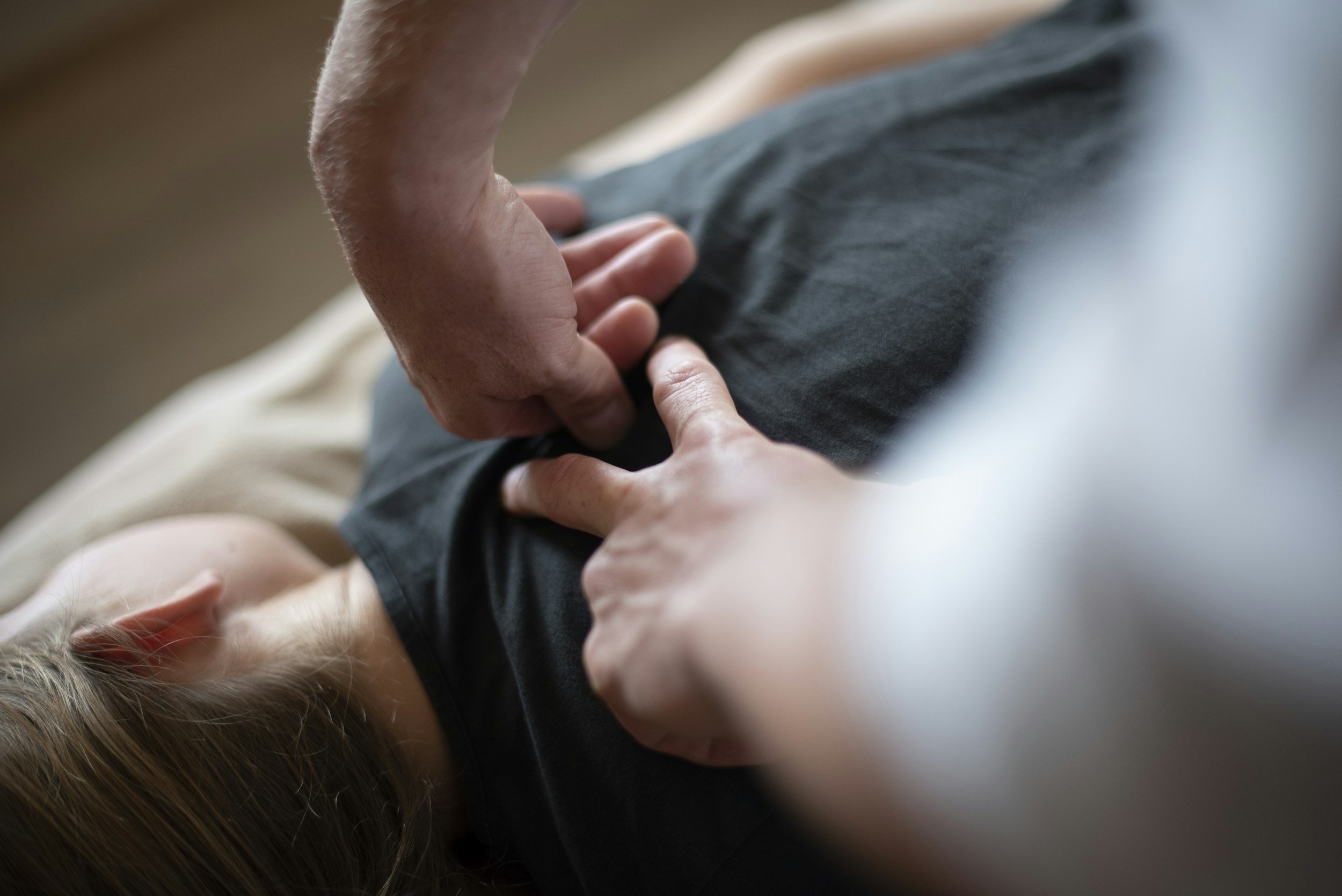
At Prohealth In Touch Physiotherapy, treatment combines hands-on manual therapy, such as spinal mobilisation and soft tissue release, with individualised motor control and core strengthening exercises to address the root cause of your pain. You can try safe starter movements from our 5 exercises for lower back pain relief guide. Book an evaluation today to manage discomfort, restore mobility, and reduce the risk of future flare-ups.