
Unlock Maximum Power: The Core Stability Secrets of Elite Athletes
Core stability is the foundation of athletic performance. Elite athletes across all sports understand that a strong, stable core not only enhances power and speed but also reduces the risk of injury. Core muscles do more than support the spine; they link the upper and lower body, allowing efficient transfer of force during dynamic movements. Unlocking the secrets of core stability can help athletes reach peak performance and maintain long-term physical health.
What is Core Stability?
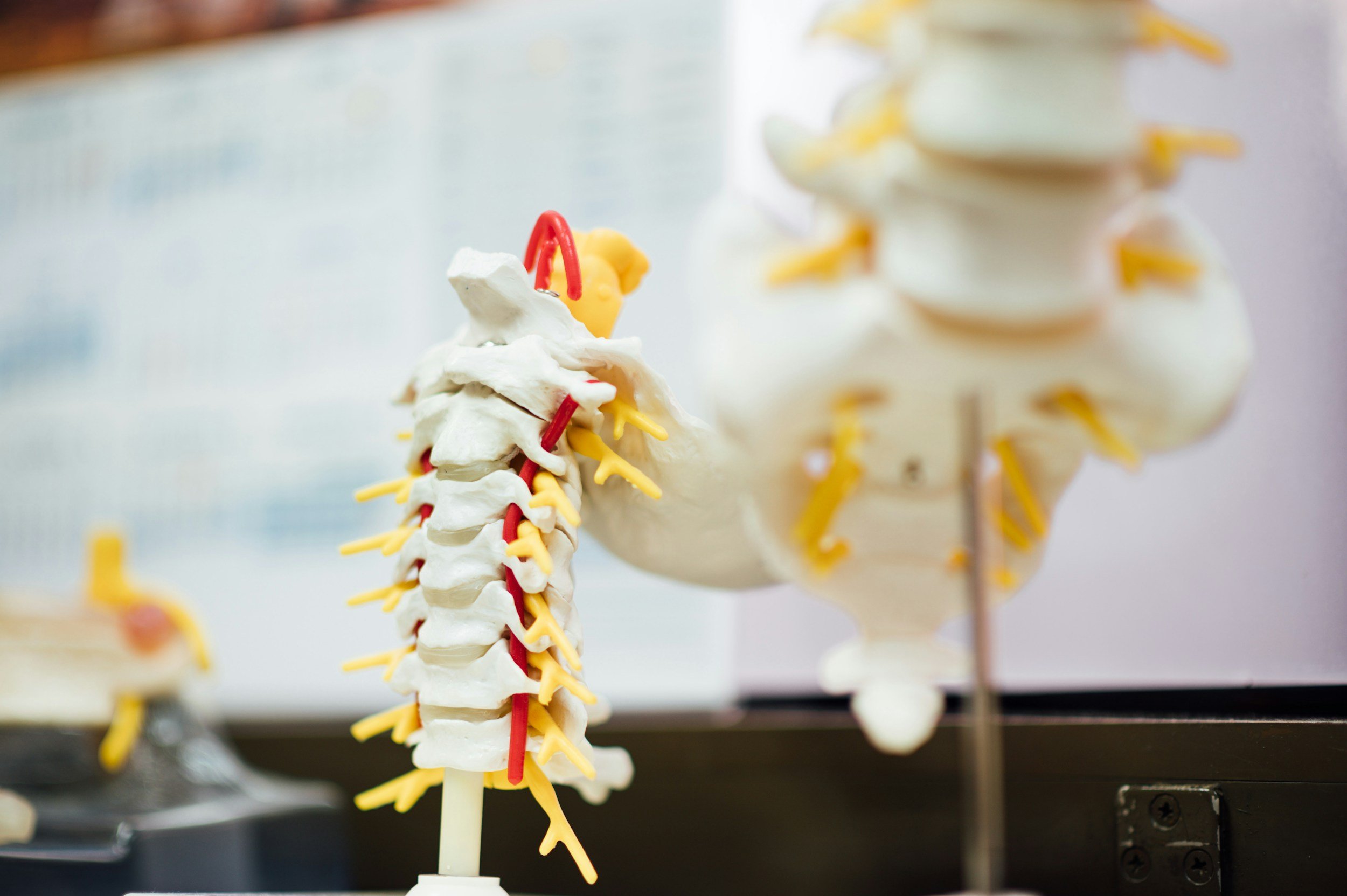
Core stability refers to the ability of the muscles around the trunk and pelvis to maintain optimal alignment and control during movement. This includes the deep abdominal muscles, obliques, erector spinae, glutes, and diaphragm. A stable core ensures that force generated in the lower body is effectively transmitted through the torso to the upper body, and vice versa.
Physiotherapists often emphasise that core stability is not just about visible abs or strength. It is about endurance, coordination, and the ability to maintain posture under stress. Even minor deficiencies in core stability can lead to compensatory movements, reduced performance, and increased risk of injury.
The Role of Core Stability in Athletic Performance
Elite athletes rely on core stability for almost every movement, including running, jumping, throwing, and lifting. Key benefits include:
Enhanced power output: A stable core allows athletes to generate more force through the limbs, increasing strength and explosiveness.
Improved balance and coordination: Core muscles stabilise the spine and pelvis, improving control during complex movements and reducing the likelihood of falls or awkward landings.
Injury prevention: A strong core reduces the risk of lower back pain, hip injuries, and overuse injuries in the shoulders and knees.
Efficient movement: Core stability allows for smoother, more controlled movements, conserving energy and improving endurance.
Core Stability Secrets of Elite Athletes
Elite athletes incorporate a combination of strength, endurance, and functional training to optimise core stability. Common strategies include:
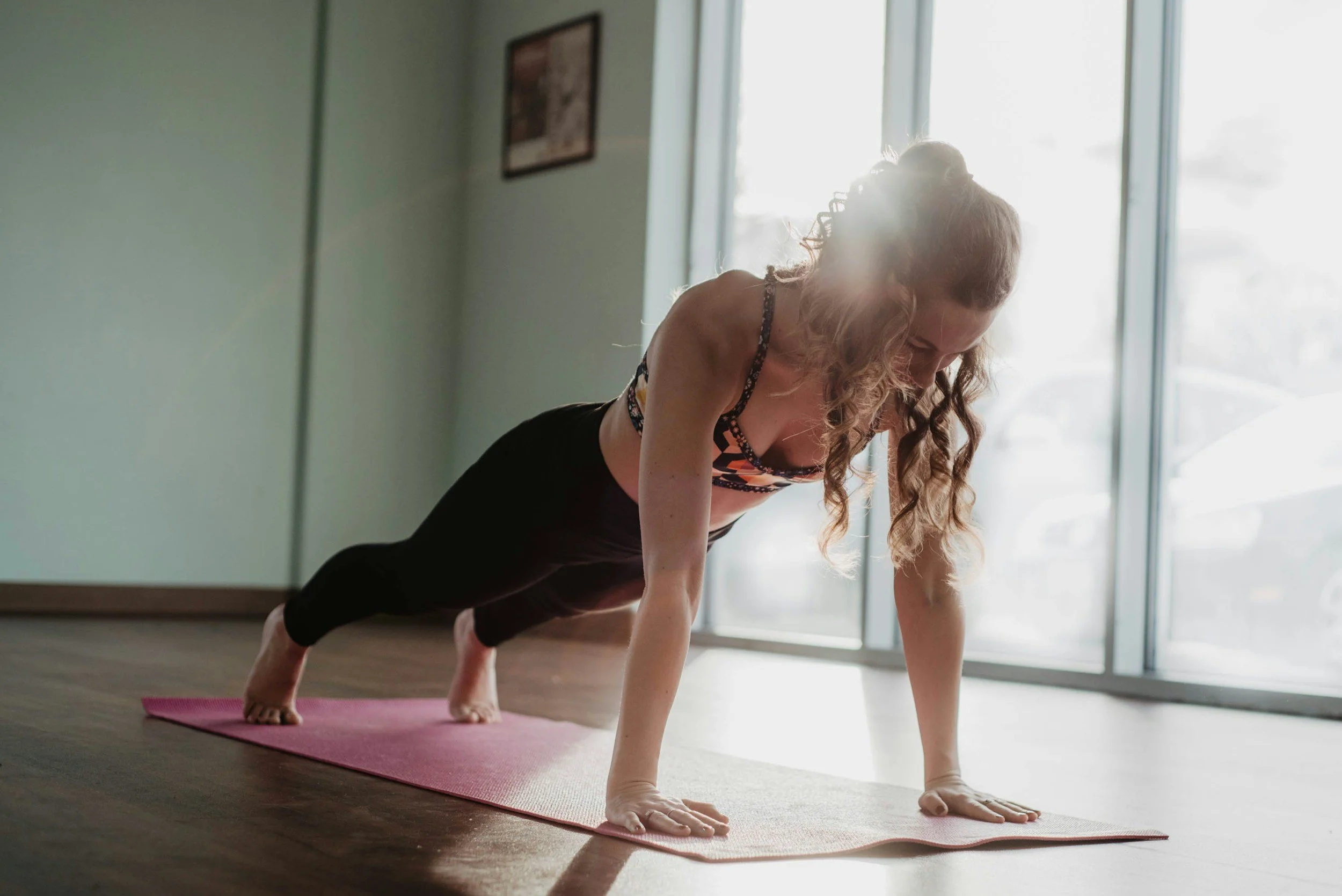
Dynamic core exercises: Planks, side planks, and variations such as plank reaches and shoulder taps build endurance and control.
Rotational training: Medicine ball throws, cable rotations, and Russian twists improve rotational strength and transfer of power.
Anti-extension and anti-rotation drills: Exercises that resist spinal movement, such as dead bugs and Pallof presses, enhance stabilisation.
Functional integration: Athletes perform compound movements, such as squats and lifts, emphasising core engagement to mimic sport-specific demands.
Breathing techniques: Proper diaphragmatic breathing enhances intra-abdominal pressure, supporting spinal stability during high-intensity activity.
Physiotherapists and performance coaches often assess core control using movement screens and functional tests to identify weaknesses and tailor training accordingly.
Common Mistakes to Avoid
Even highly motivated athletes can fall into common traps that limit core development:
Overemphasising appearance over function: Visible abdominal muscles do not always indicate strong or stable core control.
Ignoring pelvic and glute engagement: Weak glutes can compromise core stability and increase injury risk.
Skipping functional integration: Training the core in isolation without applying it to sport-specific movements reduces transfer to performance.
Neglecting endurance: Core muscles must maintain stability under fatigue, especially in the later stages of competition.
Correcting these mistakes ensures that core training delivers maximum benefits for performance and injury prevention.
Building Your Core Like an Elite Athlete
Incorporating core stability into your training requires consistency, progressive overload, and functional application. Start with foundational exercises to build endurance and control, then gradually introduce rotational and resistance-based drills. Integrate core activation into sport-specific movements and monitor technique to prevent compensatory patterns.
Physiotherapy guidance can help identify weaknesses, provide corrective exercises, and ensure that your core stability training supports your athletic goals. With the right approach, athletes can unlock maximum power, improve performance, and reduce the likelihood of injury.