
When to Start Physio: The Optimal Timing for Fastest Post-Surgical Recovery
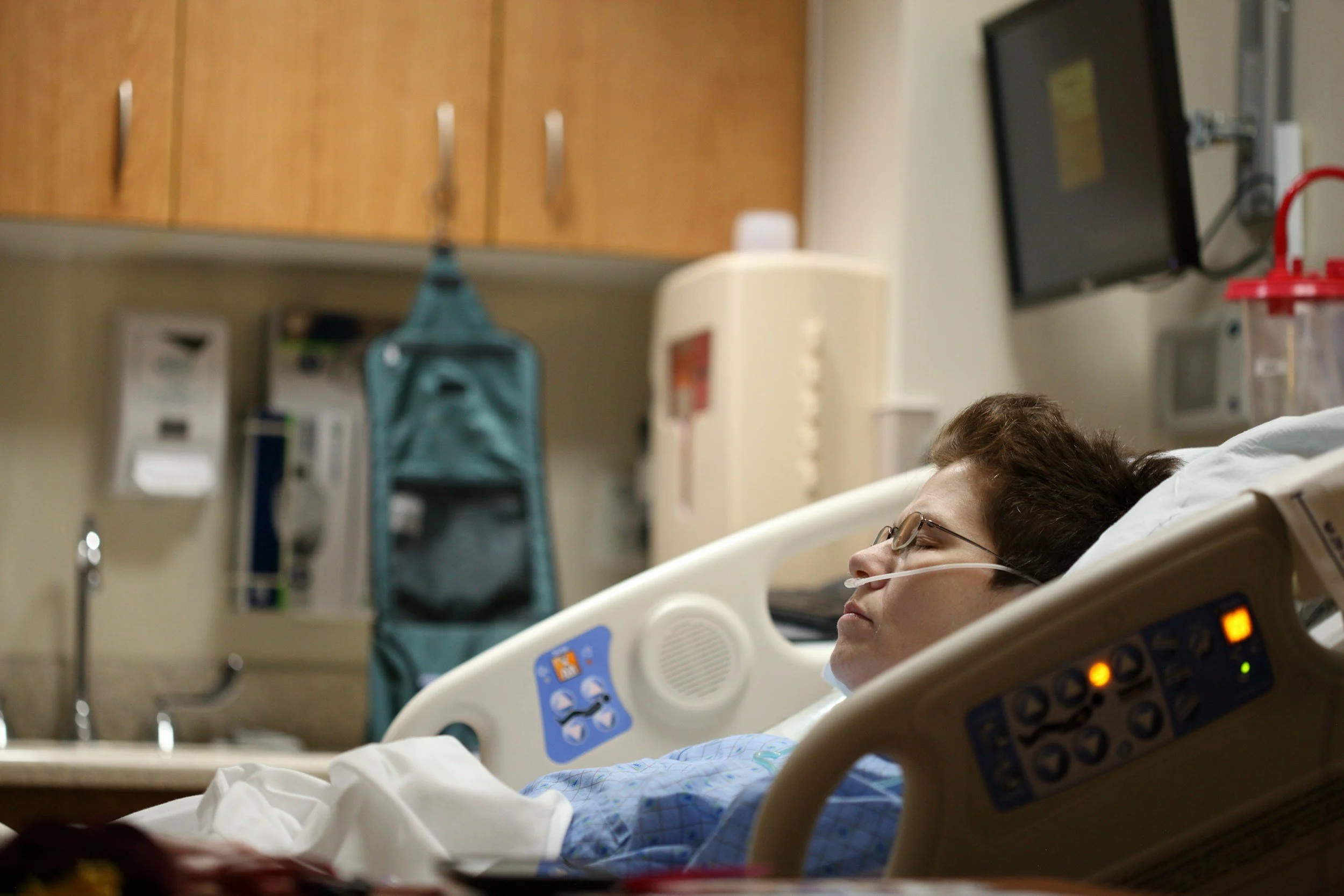
Post-surgical recovery requires careful planning, and one of the most important factors is the timing of physiotherapy. Starting physiotherapy at the right time can significantly influence recovery speed, functional outcomes, and overall quality of life. Patients who understand when to begin physiotherapy are better equipped to regain mobility, strength, and independence after surgery.
Why Timing Matters in Post-Surgical Recovery
Physiotherapy is essential for restoring movement, reducing pain, and preventing complications after surgery. However, beginning too early or too late can affect results. Early physiotherapy may improve circulation, prevent joint stiffness, and maintain muscle tone. On the other hand, starting too soon could interfere with healing tissues or surgical repairs.
A carefully planned physiotherapy program considers the type of surgery, the patient’s overall health, and the natural healing process. Surgeons and physiotherapists work together to determine the optimal start time, balancing the need for movement with the need for protection.
Early-Stage Physiotherapy
In the initial phase after surgery, physiotherapy focuses on gentle movements and maintaining function without stressing healing tissues. Early-stage physiotherapy typically includes:
Breathing exercises: Maintaining lung function and preventing complications such as pneumonia.
Passive range of motion exercises: Movements performed by a therapist to prevent joint stiffness.
Light mobility practice: Gradual sitting, standing, or walking with assistance to improve circulation and reduce the risk of blood clots.
Starting physiotherapy during the early stage helps maintain overall conditioning, supports circulation, and prepares the body for more intensive exercises in later stages.
Mid-Stage Physiotherapy
Once the initial healing phase is complete, mid-stage physiotherapy focuses on rebuilding strength, balance, and functional mobility. This phase usually begins a few days to a few weeks after surgery, depending on the type of procedure. Typical mid-stage physiotherapy activities include:
Active range of motion exercises: Patients perform movements themselves to improve flexibility and joint control.
Strength training: Light resistance exercises help rebuild muscle mass lost during surgery.
Gait training: Walking with proper technique improves balance and endurance.
Functional tasks: Practicing everyday activities such as climbing stairs, standing from a chair, or carrying light objects.
This stage is critical for restoring independence and ensuring patients can safely resume daily activities.
Late-Stage Physiotherapy
Late-stage physiotherapy focuses on maximizing recovery and returning to pre-surgery function or higher performance levels. Activities are tailored to individual goals and may include:
Advanced strength and endurance training: Progressive exercises to restore full functional capacity.
Coordination and balance drills: Exercises to prevent falls and improve movement efficiency.
Sport-specific or work-specific training: Tailored exercises for patients who need to return to specialized activities.
Late-stage physiotherapy ensures that the patient regains confidence, strength, and mobility to resume normal life safely.
Working Closely with Your Healthcare Team
Determining the best time to start physiotherapy requires collaboration between the surgeon, physiotherapist, and patient. Each surgery and patient is unique, and timing should be personalized. Open communication helps ensure that exercises are safe, effective, and aligned with healing milestones.
Maximizing Post-Surgical Recovery
The timing of physiotherapy is crucial for achieving the fastest and most effective post-surgical recovery. Beginning physiotherapy at the right stage helps maintain mobility, rebuild strength, and prevent complications. Early exercises focus on gentle movement and circulation, mid-stage targets functional strength and independence, and late-stage emphasises advanced coordination and full recovery. By following a structured physiotherapy plan under professional guidance, patients can regain confidence, improve overall function, and support long-term health after surgery.