
Manual Therapy vs. Machine Therapy: Which is Best for Your Recovery?
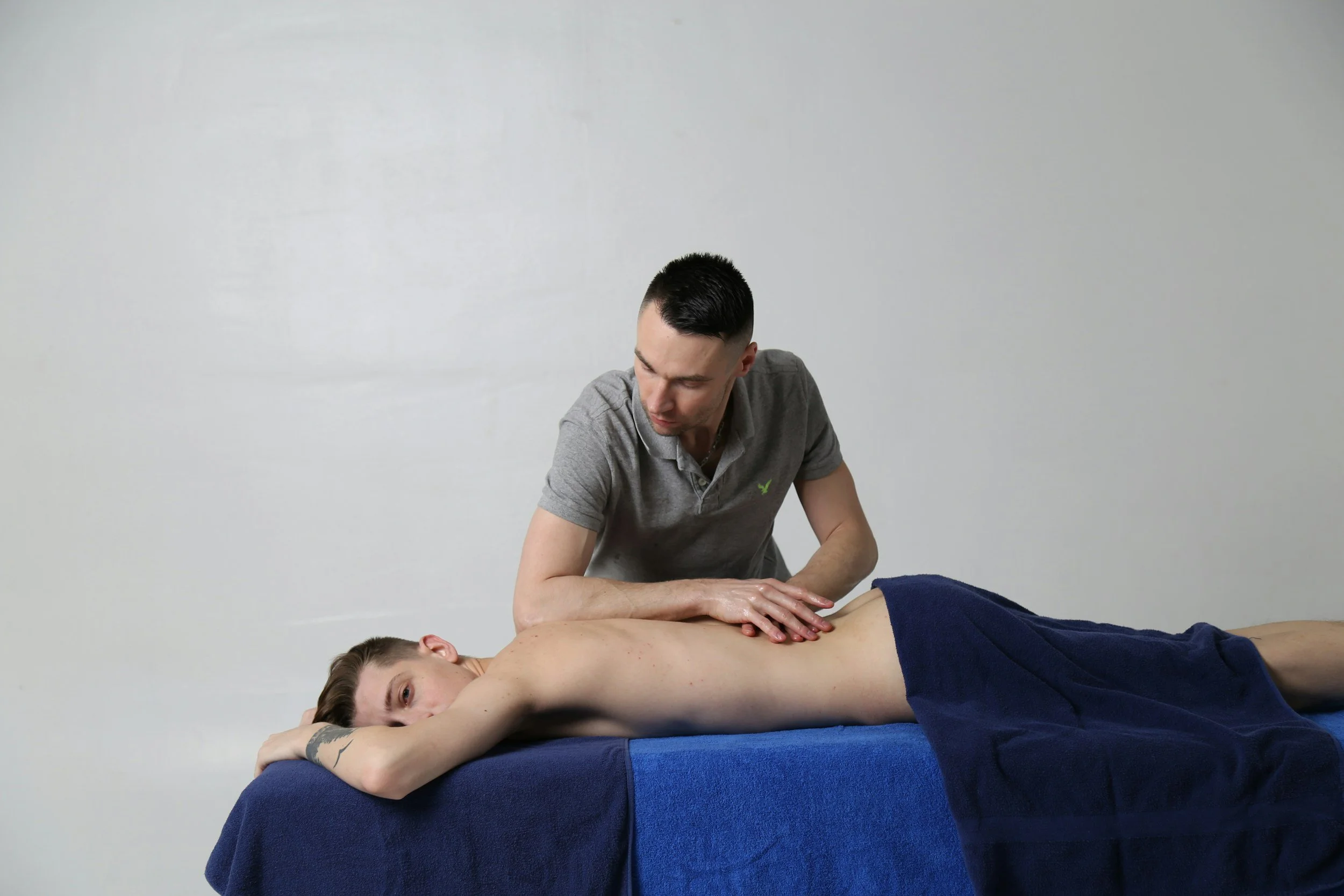
When you step into a physiotherapy clinic in Singapore, you might notice two distinct approaches to healing. On one hand, there is the “hands-on” touch of a therapist’s manual techniques. On the other, there is the hum of advanced technology—lasers, shockwaves, and ultrasound machines.
At ProHealth In Touch Physio, we often get asked by our patients: “Which one is actually better? Do I need the machine, or should the therapist use their hands?”
The answer isn't about choosing one over the other; it’s about understanding how each serves a specific purpose in your journey from pain to performance. In this article, we break down the differences and explain why a combined approach is often the "gold standard" for recovery.
What is Manual Therapy?
Manual therapy is the cornerstone of traditional physiotherapy. It involves skilled, hands-on techniques where the physiotherapist moves your joints and soft tissues to improve mobility and reduce pain.
Key Benefits of Manual Therapy:
Immediate Pain Relief: Techniques like joint mobilization and trigger point therapy can "gate" pain signals, providing instant relief for acute issues.
Restoring Range of Motion: If a joint is "stuck" (like a frozen shoulder or a stiff lower back), manual manipulation helps restore the natural glide of the joint.
Personalised Feedback: A therapist’s hands are diagnostic tools. They can feel the tension in your muscles and the stiffness in your joints, adjusting the pressure in real-time based on your body’s response.
Neurophysiological Effects: Beyond just "fixing" a joint, manual touch promotes relaxation and reduces the body's stress response.
What is Machine-Based Therapy (Modalities)?
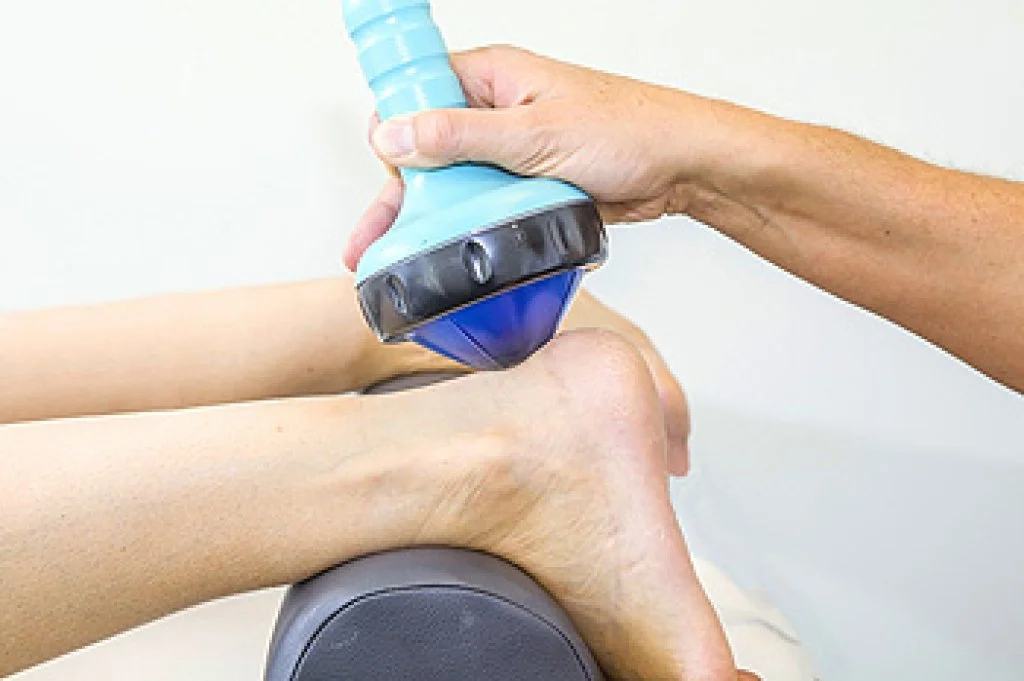
Machine therapy, often called "Electrophysical Agents" or "Modalities," uses advanced technology to assist the healing process. These tools are designed to reach deeper tissues or stimulate biological processes that hands alone cannot.
Common Technologies at ProHealth Asia Singapore:
Shockwave Therapy (ESWT): Excellent for chronic tendon issues like plantar fasciitis or Achilles tendinopathy. It uses acoustic waves to trigger a "pro-inflammatory" healing response in old injuries.
Ultrasound Therapy: Uses sound waves to reduce inflammation and promote tissue repair at a cellular level.
TENS/Electrical Stimulation: Often used to manage severe pain or "re-wake" muscles that have weakened after surgery.
Radiofrequency/Laser Therapy: Targets deep-seated inflammation and accelerates the recovery of soft tissue tears.
Why "The Best" Treatment is Usually Both
Research consistently shows that while manual therapy is superior for improving function and range of motion, machine-based therapies are incredible "adjuncts."
For example, if you have a sports injury with significant swelling, we might start with Ultrasound or Cold Compression (Machine) to calm the inflammation. Once the swelling is down, our therapists will use Manual Mobilisation (Hands) to ensure your joint doesn't stiffen up.
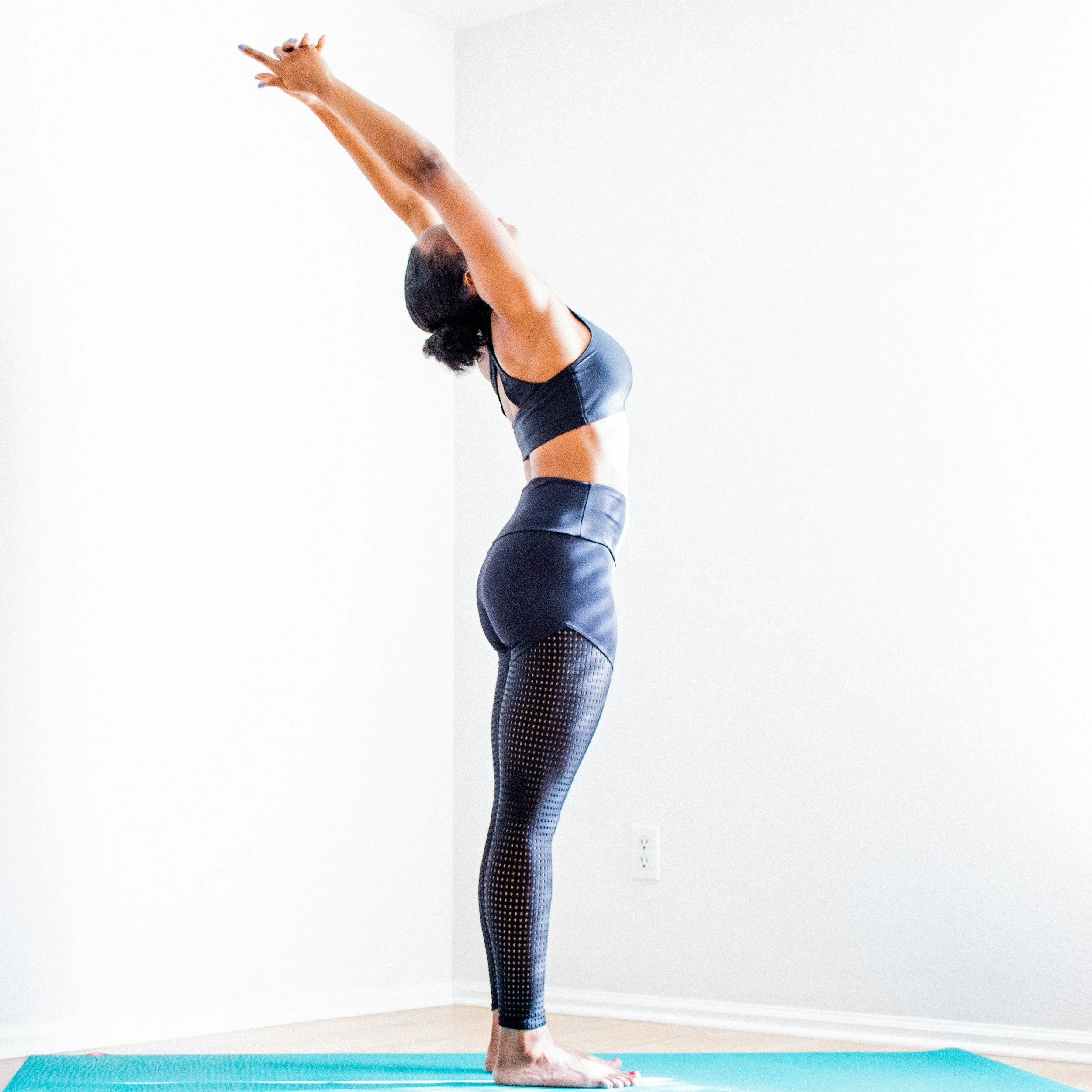
Finally, we transition you into Clinical Pilates or Exercise Therapy to ensure the injury doesn't come back. This is the "ProHealth Asia Difference"—we don't just treat the symptom; we treat the system.
Tailored Recovery at ProHealth Asia Singapore
At our clinic in the heart of CBD (Raffles Place), our international team of experts doesn't believe in "cookie-cutter" treatments. Whether you are recovering from a marathon, managing desk-bound neck pain, or rehabilitating after surgery, we curate a plan that fits your lifestyle.
We believe that technology should empower the therapist, not replace them. We use state-of-the-art equipment to speed up your healing, but our hands-on expertise ensures that your body is moving exactly the way it should.
Ready to get back to your best?
Don't let nagging pain hold you back in 2026. Whether you need the precision of a shockwave machine or the skilled hands of a senior physiotherapist, we are here to help.